
By: Nadhifa Jama
Worth Noting:
- The harsh economic situations have made sanitary products and food become competing needs, and as you understand. Nobody wants to go hungry to bed simply because she used limited resources to purchase sanitary products instead of food. With the ongoing drought, access to wash facilities is also another nightmare.
- During one of my road trips to hard-hit drought areas, I came across women and kids begging for a drop of water from passing by cars just to quench their thirst. Come to think of it. If this is the situation, then how are menstruating women and girls cleaning themselves during their menses? We still face inadequate water and safe spaces for drying and disposing of menstrual waste.
When we say women and girls face compounded crisis this is what we mean, Majority of the women from marginalized communities lack access to sanitary products and safe sanitation facilities, face discrimination and stigma, and lack knowledge about how to manage their periods safely and hygienically. These problems are compounded by poverty, which can make it difficult for women and girls to afford sanitary products and access clean water for washing. In addition, many girls in Kenya drop out of school when they reach puberty due to a lack of facilities and support, which can further limit their future opportunities.
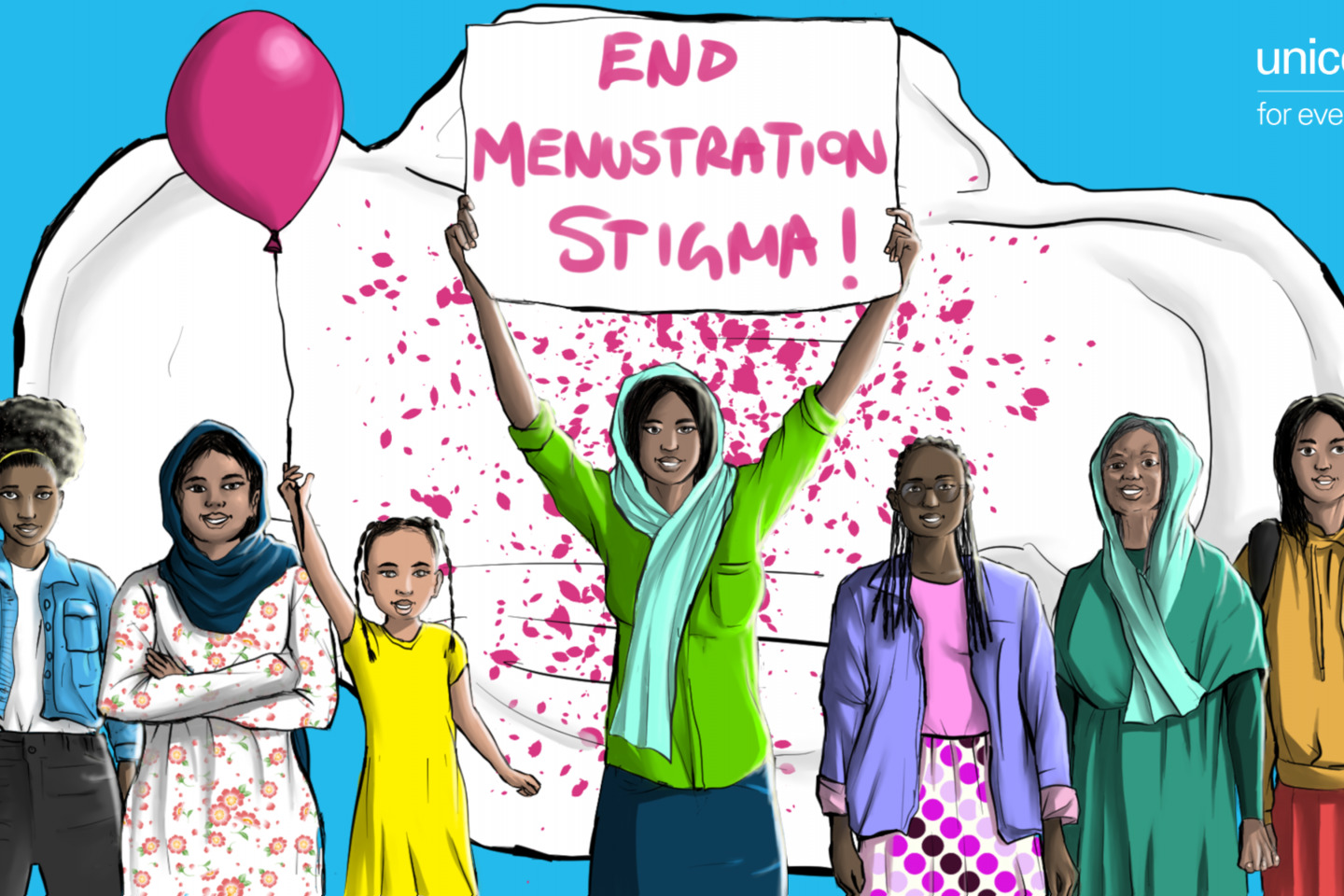
We still have a long way to go with the Menstrual Health and Hygiene Management issue in the country. We still have existing gaps in knowledge about menstruation compounded by taboos, myths, and period stigma yet menstruation is a normal biological process that every healthy female has to undergo.
With a female population of 24,014,716 (KNBS, 2019.) quite a significant number of women and girls in Kenya menstruate every month, and these guys face so many challenges. The urgent need right now especially in post-C-19 is menstrual health and hygiene management facilities. Kenya is currently facing a drought and hunger crisis across the country; this brings a pone a complex situation leading women and girls from marginalized communities to face a compounded crisis.
The harsh economic situations have made sanitary products and food become competing needs, and as you understand. Nobody wants to go hungry to bed simply because she used limited resources to purchase sanitary products instead of food. With the ongoing drought, access to wash facilities is also another nightmare.
During one of my road trips to hard-hit drought areas, I came across women and kids begging for a drop of water from passing by cars just to quench their thirst. Come to think of it. If this is the situation, then how are menstruating women and girls cleaning themselves during their menses? We still face inadequate water and safe spaces for drying and disposing of menstrual waste.
Quite sad, we need to address the root causes of this through climate action. Yeah, I understand it’s a journey of a thousand miles and we’ve just begun our baby steps.
The call to action for Kenyan policymakers on realizing Menstrual health and hygiene management is to ensure that all girls and women have access to affordable, quality menstrual products and education on how to use them properly.
In addition, policymakers should advocate for better sanitation facilities in schools and workplaces, and provide awareness-raising campaigns on the importance of menstrual health and hygiene, and support women-led enterprises that produce and distribute menstrual products.
By: NADHIFA JAMA- Founder Big and Bold Sister Talks.
Similar Posts by The Mt Kenya Times:
- Mt Kenya Times ePAPER October 23, 2026
- Ruto’s parting COMESA call: Remove the barriers, honour the commitments
- Direct hospital access to KEMSA cuts drug delays, says PS
- Africa can’t wait: Continent seeks $1 trillion for climate adaptation
- Ruto passes the baton as Africa’s trade bloc faces a fragmenting world
About the Author