The Mt Kenya Times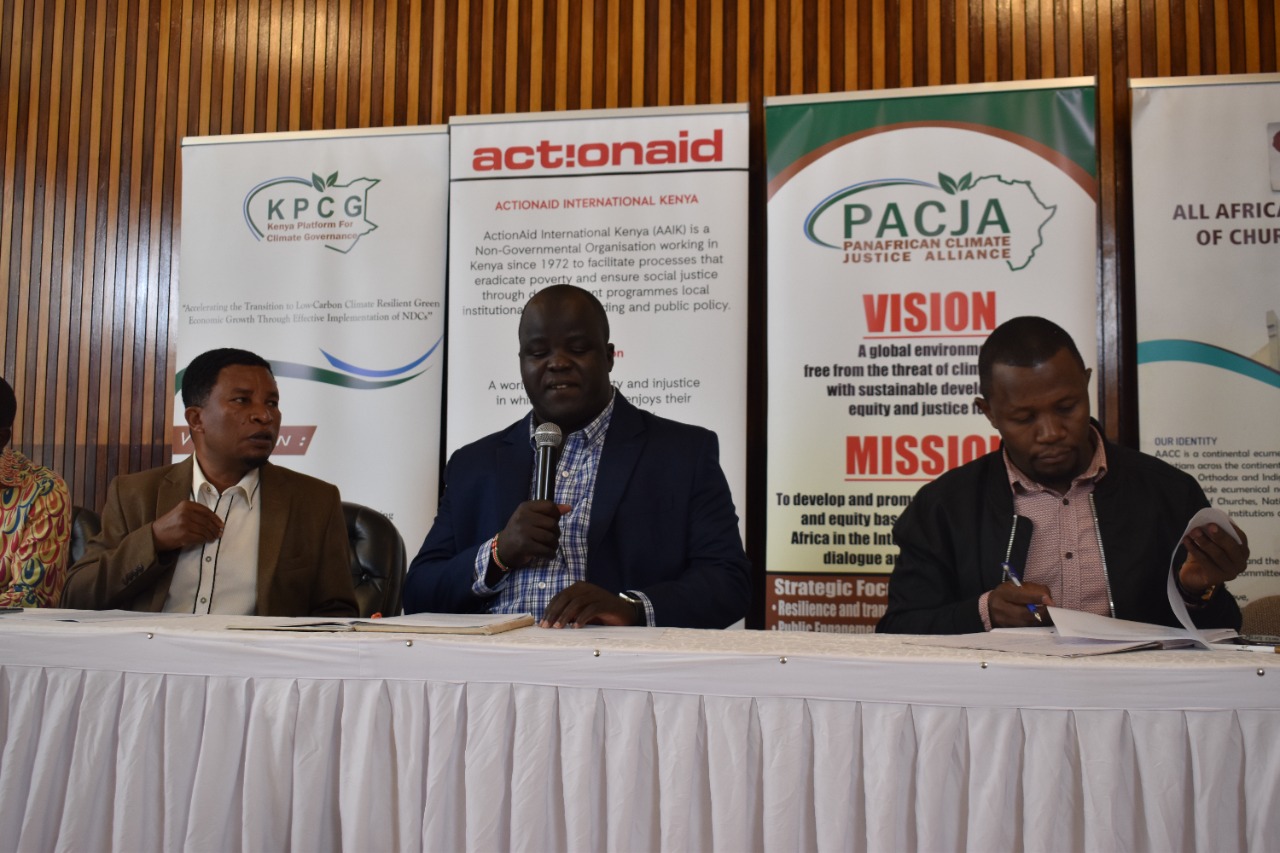
Mithika Mwenda, the executive director of the Pan African Climate Justice Alliance(with microphone)
By Elizabeth Angira
Worth Noting:
- Mary Likama, from hard hit regions of Kajiado said there is no food and water. Women and girl children risk their lives walking for the whole day looking for water.
- “The little food available is unaffordable by majority poor, People and livestock are dying because of lack of food,” she said.
- Mithika Mwenda, the executive director of the Pan African Climate Justice Alliance said the current trends with droughts in the horn of Africa is genocidal and validates calls for financing loss and damage within the UN Framework Convention on Climate Change mainstream.
- He said while the world struggles to devise solutions with little grassroots involvement, evidence show that communities have solutions.
Funding for humanitarian assistance is urgently needed to end spiraling, saddening and shameful hunger crisis in the East and Horn of Africa.
In a statement to the Press in Nairobi, Kenya, humanitarian and development organizations working in the region while urging for faster disbursement of funds from the global community also tasked governments in the region to prioritize provision of food and nutrition, rehabilitation of boreholes; and increased protection of women and girls against rising sexual and gender-based violence, exploitation and abuse.
“The ongoing Climate – induced humanitarian crisis in the East and of Africa is building to be a shameful blot in human history.
We are alarmed by the high levels of malnutrition affecting young people whose plight is oftentimes forgotten,” said the statement.
“There is no, the rains have failed for the last five consecutive seasons, farmers have been unable to harvest their crops for five consecutive seasons.
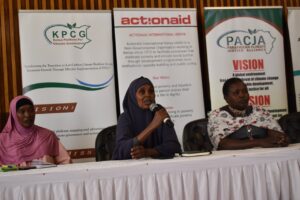
Maka Kassim Jubas, is a pastoralist woman from Garissa, she decried inaction by all levels of governance that has not provided water for her livestock.
“Pastoralist communities have lost much of their livestock, including camels, cattle, goats and sheep,” she said.
Mary Likama, from hard hit regions of Kajiado said there is no food and water. Women and girl children risk their lives walking for the whole day looking for water.
“The little food available is unaffordable by majority poor, People and livestock are dying because of lack of food,” she said.
Mithika Mwenda, the executive director of the Pan African Climate Justice Alliance said the current trends with droughts in the horn of Africa is genocidal and validates calls for financing loss and damage within the UN Framework Convention on Climate Change mainstream.
He said while the world struggles to devise solutions with little grassroots involvement, evidence show that communities have solutions.
“All that they need is financial support to action their ideas and innovations,” said Mithika.
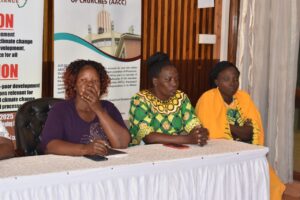
George Owala, Country Director, VSO said the suffering pastoralists and communities go through as a result of the drought is a violation of human rights and leaders must be held accountable.
Susan Otieno, the Country Director of Action Aid Kenya said the UN must now realize that while discussions on climate change take place globally, impacts are local, with grassroots communities being the most hit.
“The global north must begin to publicly acknowledge their contribution to the problems of drought and floods in parts of Africa and Asia.
I laud countries like Scotland and Sweden for their contribution towards funding adaptation but also urge others to come out and support efforts towards bolder climate action,” she said.
Alarming in the Horn of Africa is that, at least 36.1 million people have now been affected by the drought which began in October 2020.
This figure represents a significant increase from July 2022 when an estimated 19.4 million people were affected, reflecting the impact of the climate change-motivated drought in the region.
So far, data from various humanitarian organizations indicate that 1.3 million children are acutely malnourished and so far hundreds have died in nutrition centers.
About 4.6 million children and 986,100 pregnant and lactating women in the region are acutely malnourished in the drought-affected areas. More than 16.2 million people cannot access enough water for drinking, cooking and cleaning, including 8.2 million in Ethiopia, 3.9 million in Somalia and 4.1 million in Kenya.
Similar Posts by The Mt Kenya Times:
- Diaspora Times Global Oct 24 – Oct 30, 2026
- America’s baby bust: U.S. birth rate hits record low as women choose later motherhood
- Literary Outreach Incubation Program Instills The Culture From Book Adaption To Spoken Words
- Why starting school too early is failing our children
- Who defines Africa’s destiny? The western lens, African compliance and the struggle for intellectual sovereignty
About the Author