The Uzbek Language Is The Nationality, Beauty, And Unity Of The Uzbek People


The language we speak is an essential part of our identity. It is what connects us to our culture, heritage and traditions. For the Uzbek people, their language, Uzbek, is not just a means of communication but a symbol of their identity and a reflection of their rich history and culture.
Uzbek is the official language of Uzbekistan, which is located in Central Asia. It is spoken by about 27 million people in Uzbekistan and other neighboring countries like Tajikistan, Kazakhstan, Kyrgyzstan and Afghanistan. The language belongs to the Eastern Turkic branch of the Turkic language family and has been influenced by Persian, Arabic, and Russian languages.
The history of the Uzbek language dates back to the 15th century when it was spoken by the nomadic tribes who inhabited the area. It was greatly influenced by the Chagatai language, a Turkic language spoken by the descendants of Genghis Khan.
However, during the late 19th and early 20th centuries, Russian became the dominant language in Uzbekistan due to the rule of the Russian empire. This led to a decline in the use of Uzbek, but it never lost its significance among the Uzbek people.
After the collapse of the Soviet Union, Uzbekistan gained its independence in 1991, and it was during this time that the Uzbek language was given official status in the country.
Efforts were made to revive and promote the language, and it was reintroduced as the medium of instruction in schools and universities. Today, Uzbek is also the language of instruction in all government offices, and all official documents and street signs are in the Uzbek language.
The Uzbek language is not just limited to Uzbekistan; it is spread across Central Asia, and the widespread usage of the language has helped in the preservation of the Uzbek culture and identity. The language has a rich oral tradition, with many folk tales and poems passed down through generations. These oral narratives not only entertain but also educate people about the customs and traditions of the Uzbek people. One of the most significant aspects of the Uzbek language is its poetry. The tradition of oral storytelling was prevalent among the Uzbek nomads, and this has evolved into a rich tradition of poetry and literature. During the rule of Timur, also known as Tamerlane, Uzbek poetry flourished, and it is still considered an integral part of the Uzbek culture. The works of famous poets like Alisher Navoi and Zahiriddin Muhammad Babur are still treasured and widely read among the Uzbek people. Moreover, the Uzbek language also holds a special place in the hearts of the Uzbek people because of its connection to their Islamic faith. Most Uzbeks are practicing Muslims, and the language reflects this in its vocabulary, where many words have Arabic or Persian origins. The Quran, the holy book of Islam, was translated into Uzbek, making it more accessible for Uzbek speakers to understand and connect with their religion.
In today’s globalized world, where many languages are dying and being replaced by more dominant languages, the Uzbek language stands strong as a symbol of the Uzbek people’s resilience and determination to preserve their identity. It is not just a language; it is a key to understanding and appreciating the rich culture and traditions of the Uzbek people.
In conclusion, the Uzbek language is an integral part of the Uzbek people’s identity. It represents their past, present, and future, and it is a source of pride and unity among the Uzbek community. Efforts must be made to continue promoting and preserving the language so that future generations can also connect with their roots and embrace their unique cultural identity.
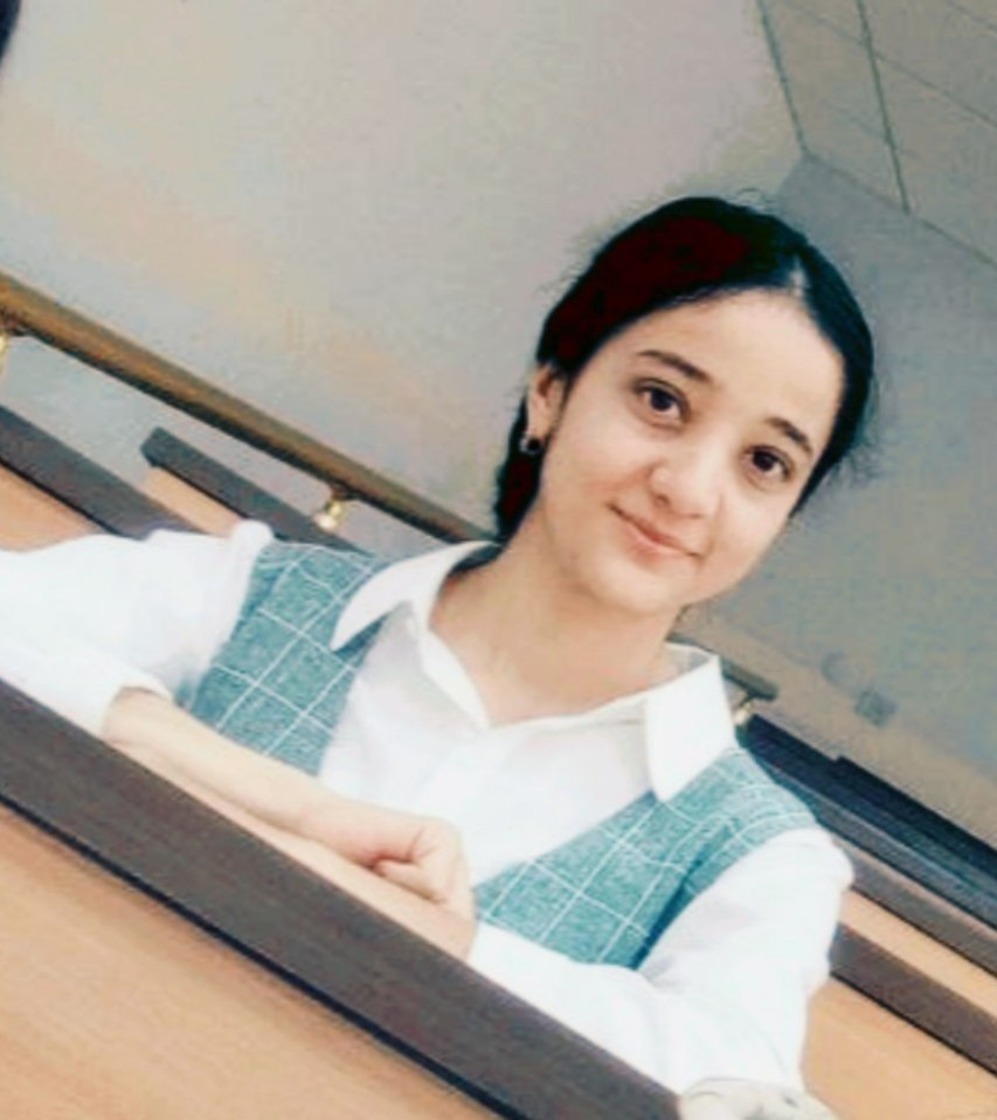
By: Mehriniso Juraeva
Student of Termez State university
Similar Posts by The Mt Kenya Times:
- Mt Kenya Times ePAPER August 29-30, 2026
- Old Mutual swings to KSh882M profit as insurance arm ends losing run
- US pumps KSh930M into Kenya police modernisation
- Kalonzo comes to the Coast with a simple, devastating message: You have been betrayed
- Tear gas, shuttered shops and a government out of touch: The KRA tax revolt that could define Kenya’s road to 2027
About the Author