EAC Hosts First Peer To Peer Learning Conference On Transforming The Distribution Sector In Nairobi
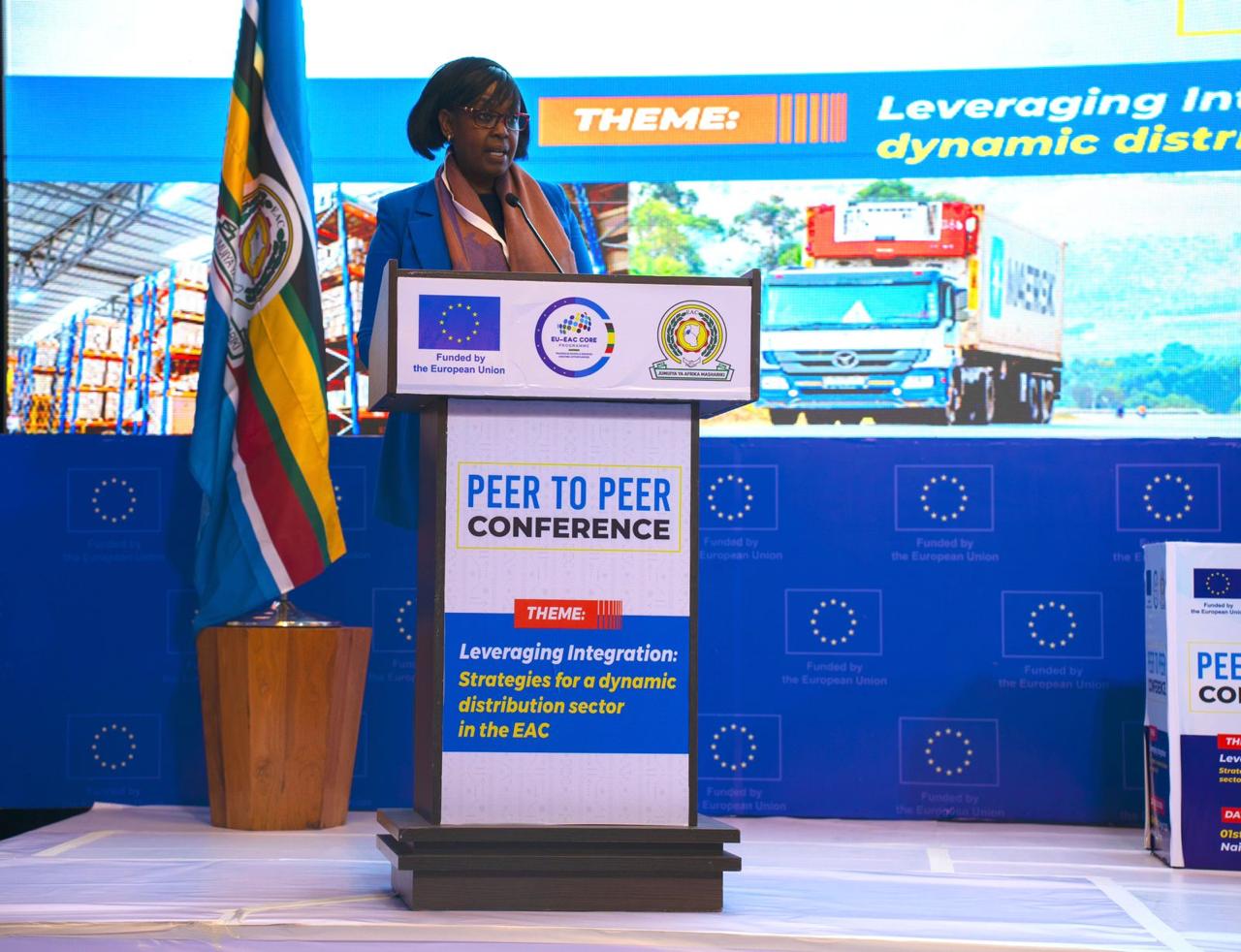
Ms. Elizabeth Miguda, Deputy Director & Head of Regional Trade at Kenya’s State Department of Trade addressing participants at the EAC conference
By Aoma Keziah
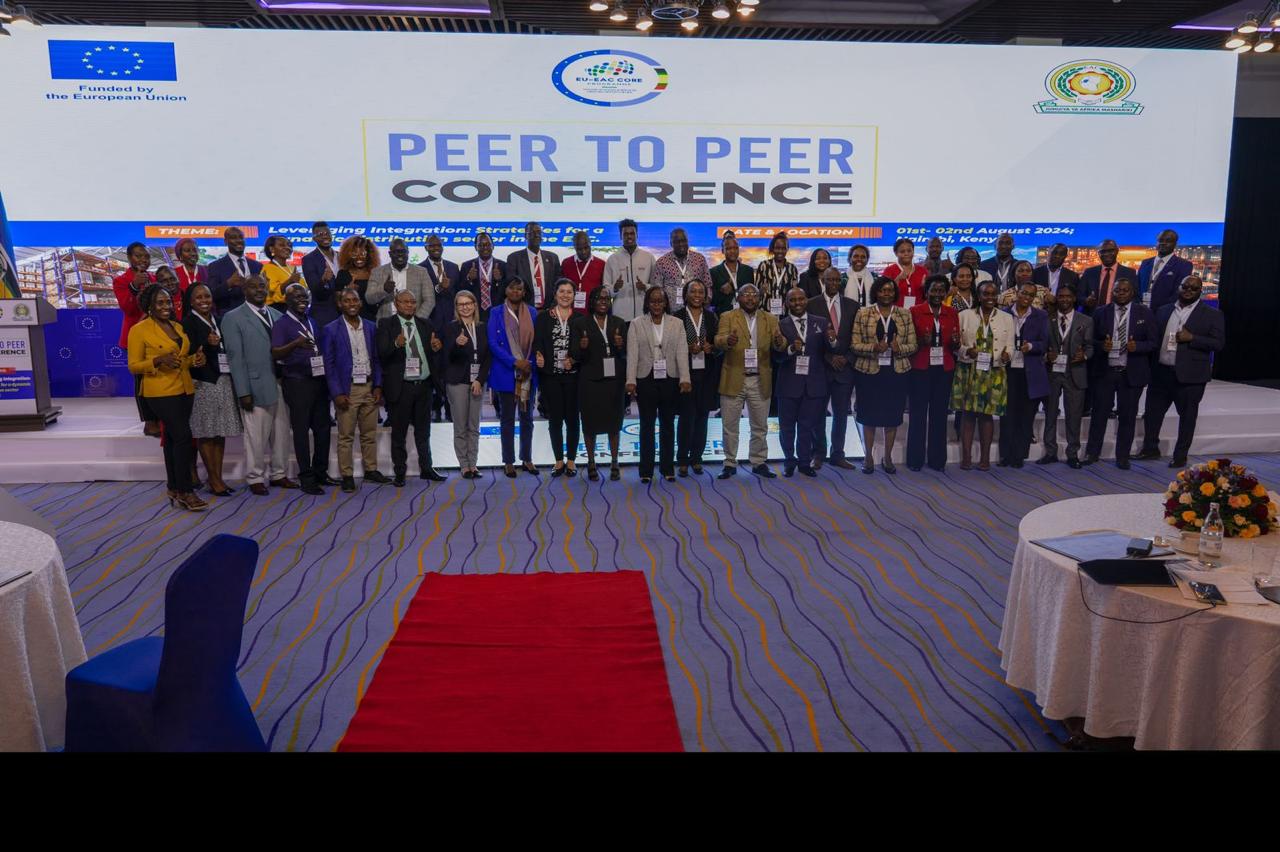 Nairobi, Kenya – The East African Community (EAC) marked a significant milestone by hosting its inaugural Peer-to-Peer Learning Conference on transforming the distribution sector. Held in Nairobi, the conference addressed critical obstacles in the distribution sector, emphasizing regulatory frameworks and growth strategies to drive economic development and employment in the region.
The Conference, organized under the EU-EAC CORE program, reviewed a diagnostic study on the region revealing that restrictive investment laws are impacting the entry and operations of wholesale and retail firms across EAC Partner States. The study identified major challenges ailing the sector such as; burdensome administrative requirements, weak links with local suppliers, high investor exit rates in the retail sector and insufficient industry skills.
Delivering the keynote address on behalf of Kenya’s Permanent Secretary in charge of Trade, Mr. Alfred K’Ombudo was Ms. Elizabeth Miguda, Deputy Director & Head of Regional Trade at Kenya’s State Department of Trade.Ms. Miguda highlighted that the liberalization of this sub-sector presents significant opportunities for entering new markets within the East African Community.
“The efficiency of this sector is crucial for ensuring that consumers have access to a wide variety of goods and services at competitive prices. Enhanced efficiency and competition in the distribution system can lead to lower prices, as distribution margins significantly affect final product prices, and help reduce price distortions,” she said.
Distributors play a pivotal role in the economy, contributing between 10 and 50 percent of the final costs borne by customers. Globally, distribution services account for approximately 20% of services trade, while in the EAC region, these services contribute between 3% and 10% to GDP. This underscores their vital importance in the region’s economic landscape.
Key areas of discussion at the conference included: Obstacles in the EAC’s Distribution Sector: Identifying and addressing the challenges hindering the efficiency and effectiveness of distribution services.
Regulatory Framework and Policy Constraints: Examining existing regulations and policies that may be restricting growth and proposing reforms to foster a more conducive environment for the distribution sector.
Growth Strategies for the Distribution Sector: Exploring innovative strategies and best practices to stimulate growth and enhance the sector’s contribution to the economy.
Knowledge Exchange Among Countries with Advanced Distribution Practices: Facilitating the exchange of insights and experiences between EAC member states and other countries with advanced distribution systems.
Representing the EAC Secretary General, H.E. Veronica M. Nduva, Ms. Marie Angelique Umulisa, the Principal Trade Officer and Head of International Trade at the EAC Secretariat, underscored the significance of distribution services.
“Distribution services account for approximately 20% of global services trade and play a critical role in enhancing efficiency, quality, and economic contributions across other sectors,” She said.
Ms. Umulisa also stated that in the EAC region, these services contribute between 3% and 10% to GDP, highlighting their essential role in economic development and employment.
“This Conference serves as a crucial platform for knowledge exchange, collaboration, and progress,” Ms. Umulisa added.
The conference brought together over 50 stakeholders from the public and private sectors, including representatives from EAC partner states and beyond. These stakeholders engaged in meaningful discussions and shared valuable knowledge, aiming to develop actionable plans to overcome the identified challenges and drive the distribution sector forward.
Participants also highlighted the importance of collaborative efforts and continuous dialogue among member states to ensure the successful implementation of the proposed strategies. The conference concluded with a commitment to foster ongoing peer-to-peer learning and cooperation to achieve a more efficient and robust distribution sector in the EAC region.
Similar Posts by Aoma Keziah:
- Nationwide Youth Business Drive Enters Last Lap With New Nyota Trainings
- Green Light From Washington Sets G42 On Fast Track to Build Region’s Most Powerful AI Network
- Safina Eyes Kariobangi North Seat in Intensified Push Before Poll Day
- KEBS Opens Talks With Manufacturers On New Standards Levy Order 2025
- Kenya, Uganda And South Sudan Chart Way Forward On East Africa Rail Corridor
About the Author


 The Mt Kenya Times