Kalonzo, Gachagua, And Wamalwa Dilemma: Will They Challenge Ruto Or Become Raila’s Pawns?

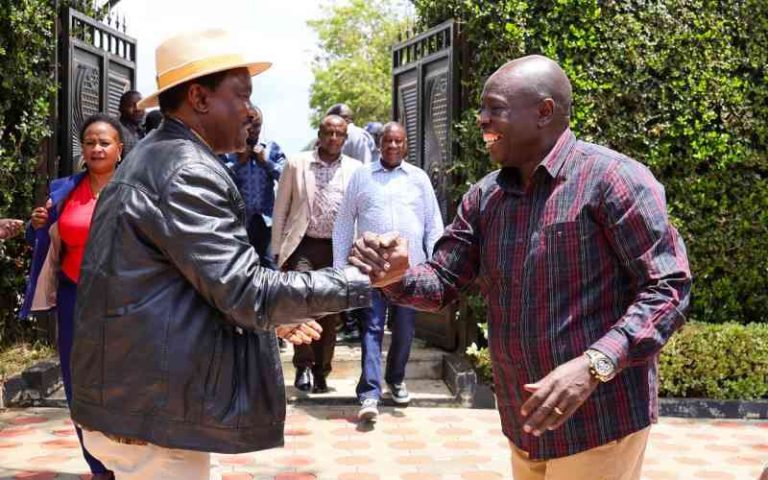
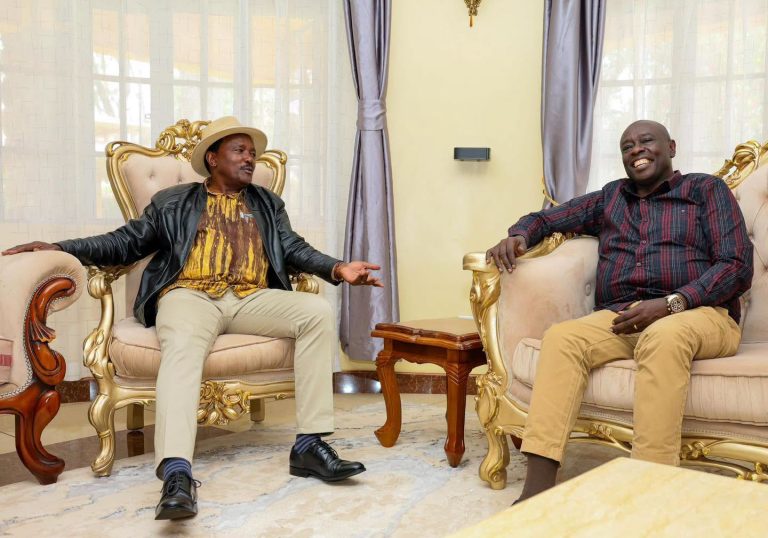
Former Deputy President Rigathi Gachagua yesterday met with Wiper Democratic Party leader Kalonzo Musyoka and his DAP K colleague Eugene Wamalwa for a consultative meeting


By: Peter John
Worth Noting:
- Kalonzo Musyoka, a veteran dealmaker, has long been a kingpin in Eastern Kenya while Martha Karua’s reputation for integrity resonates with those disillusioned by governance failures.
- Eugene Wamalwa’s deep networks in Western Kenya and Rigathi Gachagua’s grip on Mount Kenya politics provide a formidable geographic reach.
- Together, they represent a serious threat to Ruto’s grip on power that is currently coating former Prime Minister Raila.
- However, Ruto is no stranger to political combat. Having defied the odds to ascend to the presidency, he commands a strong base in the Rift Valley and Central Kenya.
- His Bottom-Up Economic Model, though under scrutiny, still resonates with a significant portion of the electorate.

Kenya’s political landscape is entering a phase of high-stakes maneuvering as a formidable alliance of seasoned power brokers—Rigathi Gachagua, Kalonzo Musyoka, Martha Karua, and Eugene Wamalwa—emerges to challenge President William Ruto.
Dubbed the “Kingmakers,” these leaders, each wielding influence in their respective regions, are crafting a coalition that could reshape Kenya’s 2027 electoral battle.
But can they successfully unseat an incumbent known for his political agility?
Each member of this emerging alliance brings distinct strengths to the table.
Kalonzo Musyoka, a veteran dealmaker, has long been a kingpin in Eastern Kenya while Martha Karua’s reputation for integrity resonates with those disillusioned by governance failures.
Eugene Wamalwa’s deep networks in Western Kenya and Rigathi Gachagua’s grip on Mount Kenya politics provide a formidable geographic reach.
Together, they represent a serious threat to Ruto’s grip on power that is currently coating former Prime Minister Raila.
However, Ruto is no stranger to political combat. Having defied the odds to ascend to the presidency, he commands a strong base in the Rift Valley and Central Kenya.
His Bottom-Up Economic Model, though under scrutiny, still resonates with a significant portion of the electorate.
Yet, discontent is simmering over unmet campaign promises, a struggling economy, and rising cost of living—factors the Kingmakers hope to exploit.
Despite their collective strength, history warns that opposition alliances in Kenya often crumble under internal wrangles.
“The real test for this coalition is cohesion,” says political analyst Albert Kasembeli . “Kenyan opposition leaders have a track record of uniting against an incumbent, only to fall apart due to competing interests.”
Gachagua’s increasing assertiveness within the Mount Kenya region is a double-edged sword.
His influence might consolidate the bloc against Ruto, but it could also alienate other Kingmakers wary of his leadership ambitions.
Karua’s unyielding stance on governance could further strain relationships within the team, while Kalonzo’s past inconsistencies in alliances raise questions about his long-term commitment.
President Ruto is unlikely to watch passively as this opposition front solidifies. His biggest strategic weapon? Raila Odinga.
The former Prime Minister’s decision to work with Ruto’s government has sent shockwaves through the opposition ranks. If Raila chooses to run again in 2027, it could fracture the anti-Ruto vote.
“Ruto knows that a divided opposition is a defeated opposition,” Edwin Mwangi, a political analyst and former MCA notes. “By keeping Raila engaged, he effectively weakens the Kingmakers’ momentum.”
A Raila candidacy would force the Kingmakers to fight on two fronts—against Ruto and against Odinga, a longtime opposition heavyweight with unwavering support in Nyanza and parts of Western Kenya.
If the opposition splits, Ruto could walk into a second term almost uncontested.
Additionally, the Kingmakers themselves risk becoming mere kingmakers rather than true contenders for power, as their own influence could be eclipsed by Raila’s enduring political dominance.
The Kingmakers’ success hinges on their ability to present a compelling alternative to Ruto. Their messaging must resonate with Kenyans struggling under economic hardship. However, mere opposition to Ruto is not enough—they must articulate a clear vision that distinguishes them as a viable alternative government.
On the other hand, Ruto must address growing public disillusionment. While his Bottom-Up Model remains his flagship policy, the cost of living crisis threatens to erode his credibility.
He must convince voters that his government is still capable of delivering on its promises, or risk losing ground to the opposition’s growing momentum.
Analysts argue that as Kenya heads into the 2027 election cycle, the political landscape remains fluid.
Will the Kingmakers succeed in uniting the opposition and toppling Ruto? Or will Ruto, ever the political tactician, outmaneuver them once more?
The writer is a political writer and social analyst
Similar Posts by The Mt Kenya Times:
- Kane ends England’s 25-year Ballon d’Or wait with record-breaking Bayern season
- Saka dedicates Sócrates Award to Rwandan boy who regained his sight
- Mt Kenya Times ePAPER October 27, 2026
- Sifuna draws hope from Serbia and Brazil as Kenya’s 2027 race heats up
- Uhuru calls for unity as he marks 65th birthday
About the Author