By: Ainembabazi Shallon
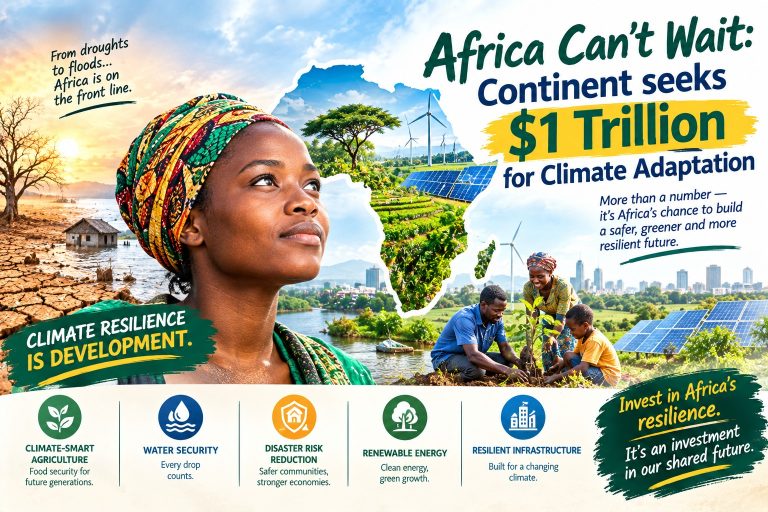
Every year, the world’s leaders, climate activists, academics, researchers and civil society gather for the Conference of Parties (COP) negotiations. These meetings such as last year’s COP29 in Baku, Azerbaijan, and the upcoming COP30 in Brazil are meant to strengthen global commitments to tackle the escalating impacts of climate crisis. The agenda often focuses on reducing greenhouse gas emissions, scaling up climate finance, and building resilience for communities hardest hit by climate change.
Yet, while the negotiations take centre stage, the people who bear the greatest burden of this crisis are women and youth who still often remain on the margins of these conversations and not given chance to participate and be heard. In Africa, they make up the largest share of the population and play essential roles in sustaining livelihoods through farming, water collection, caregiving, and innovation. But they are also the most affected by the climate shocks caused by fossil fuel dependency, deforestation, and extreme weather events such as floods, drought and heatwaves to mention but a few.
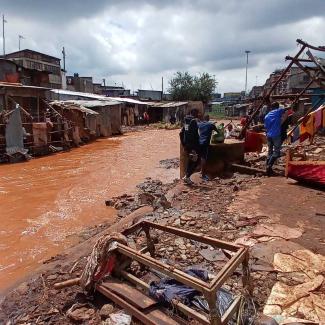
Across the continent, droughts have become longer and harsher, floods more frequent and destructive, and food insecurity more severe leaving more of women forego some meals for their children and husbands. Women especially the marginalised in rural communities are walking longer distances for water, firewood, struggling to grow crops in degraded soils, and facing heightened risks of poverty, exposing girl children to sexual violence such as rape and defilement and gender-based violence as livelihoods disappear. At the same time, African youth who hold the promise of a green future are grappling with unemployment, limited access to technology, and exclusion from climate decision-making spaces where their energy and creativity are most needed because they are drivers change.
Additionally, women and young people are leading bold, innovative climate actions. They are championing clean energy solutions, developing climate-smart agricultural practices, and restoring degraded ecosystems. Youth are building renewable energy startups and using digital platforms to raise climate awareness and call for actions. These are the real climate champions of Africa quietly driving solutions that world leaders discuss in global halls.
However, their efforts are often invisible to the policymakers who negotiate on their behalf. Africa’s voice at global climate conferences still tends to reflect government positions rather than community realities. The exclusion of women and youth from decision-making not only undermines climate justice but also weakens the effectiveness of global climate actions.
As the world turns its eyes to COP30 in Brazil, it is time for global leaders to listen not just to each other, but to those living at the frontlines of climate change. Women and youth must not be token participants they must be recognized and supported as equal partners whose experiences, innovations, and leadership are essential for achieving sustainable solutions.
Climate finance must also be restructured to reach local initiatives that are already transforming lives in communities. Investments should prioritize community-based adaptation, women-led enterprises, and youth-driven innovation. Only that is sswhen climate action can move from boardrooms to the real world, where change matters most.
The solutions to the climate crisis should not come from closed-door negotiations alone they should come from the collective wisdom and lived experiences of those who nurture the land, sustain families, and innovate daily against the odds. Listening to women and youth is not charity at all it is common sense. It is the only way to build a future that is not just green, but just and equitable.
Remember women and youth are drivers of change in communities. @COP30Brazil listen to us.
WRITTEN BY: Ainembabazi Shallon
Programs officer
Women for Green Economy Movement Uganda (WOGEM)
Similar Posts by The Mt Kenya Times:
- Kalonzo and Gachagua to hold presidential ticket talks today as 2027 opposition race takes shape
- Nyoro’s ‘small wheelbarrow’ moment: How a presidential aide exposed Mount Kenya’s most controversial politician
- Kenya’s political weather: Opposition realignments, public accountability and the test of leadership
- Media as the fourth arm of government
- Kenya’s nuclear ambitions: Getting the Konza reactor right
About the Author