The Mt Kenya Times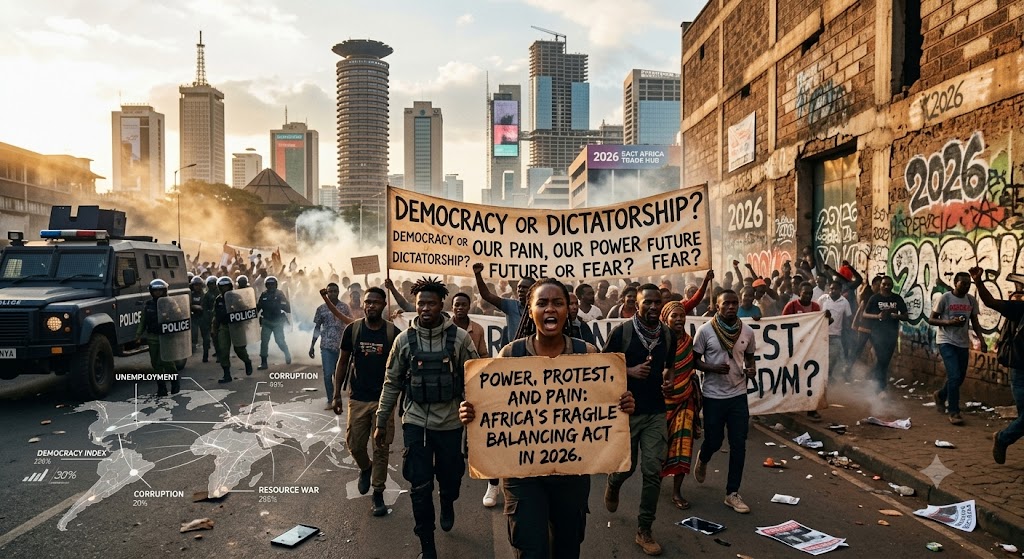
Constitutional battles, jihadist strikes and economic strain are testing whether Africa’s institutions can hold
By Norman Mwale
“The facts are established. They cannot be erased. But neither can the hunger, the debt, nor the fear of another power grab.”
Africa moved through the second quarter of 2026 with its democracies, economies and security architectures under simultaneous pressure. From constitutional battles in Harare to jihadist strikes in Bamako, and from doctors downing tools in Abuja to survivors pulled from ADF captivity in eastern Congo, the continent spent the quarter testing whether its institutions could hold.
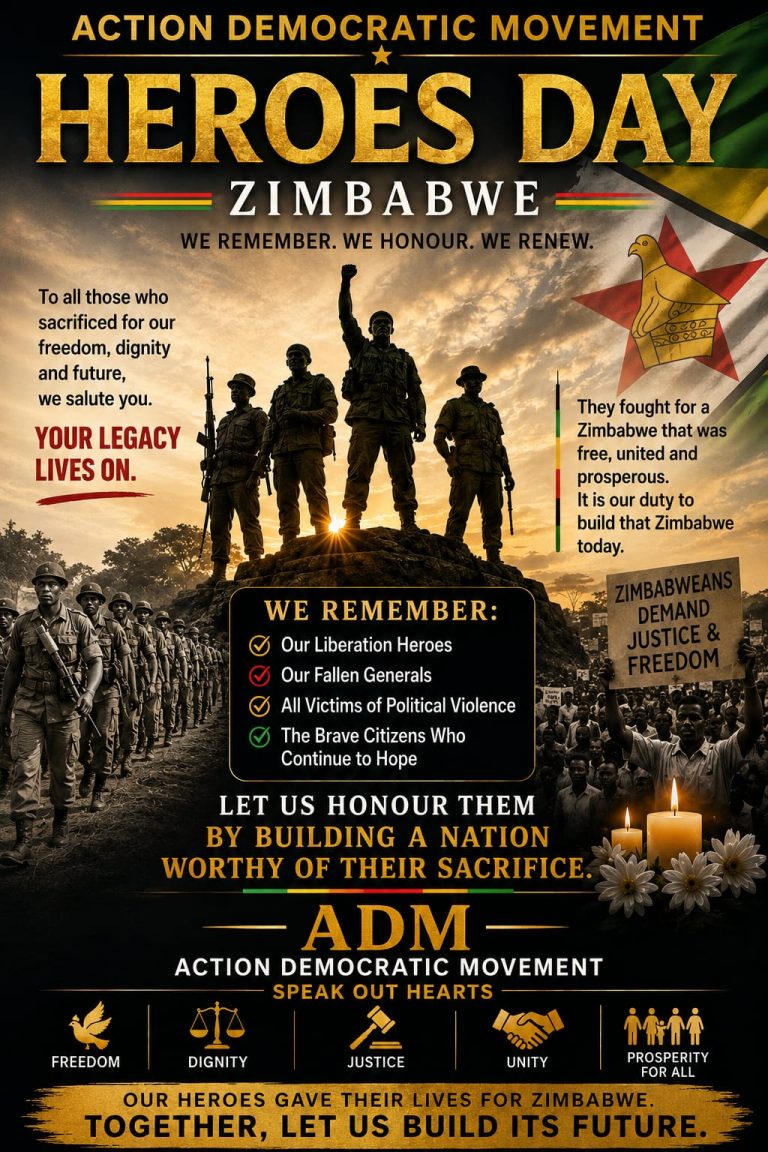
In Harare, opposition parties warned of a creeping constitutional power grab. Proposed amendments would allow parliament, rather than voters, to elect the president and extend presidential and parliamentary terms from five to seven years. If passed, the changes could keep President Emmerson Mnangagwa in office until 2030. Opposition lawyer Tendai Biti said the public hearings had been marred by “intimidation and repression”. ZANU-PF countered that the reforms were “constitutional and necessary for political stability and cost reduction”.
The debate mirrored developments 2,000km north. In April, Cameroon’s parliament approved the return of a vice-presidency for 93-year-old President Paul Biya, more than four decades after the post was scrapped in 1972. Under the amendment, the vice-president is appointed by Biya rather than elected, and would serve out the remainder of his term should he die, resign or become incapacitated. Opposition figures, including Cameroon Renaissance Movement leader Maurice Kamto, called the move a “constitutional and institutional coup”. Even a senator from Biya’s own party described the process as “suspicious”.
On 7 April, Rwanda marked 32 years since the Genocide against the Tutsi. President Paul Kagame used the Kwibuka32 commemorations to warn against “historical distortion”, saying the facts had been documented by international courts and the Gacaca process. “The genocide was not spontaneous,” Kagame stressed, citing warnings from 1993 that went unheeded.
In Nigeria, the human cost of governance failures played out differently. Resident doctors launched an indefinite nationwide strike on 7 April over the government’s move to halt a revised professional allowance table, adding pressure to hospitals already stretched by insecurity. The strike was suspended the same day after the government pledged to address the doctors’ demands, though the union warned it could resume action if those commitments went unmet. The dispute added to pressure on President Bola Tinubu’s administration, which had just secured House approval for a $6 billion external loan for infrastructure and debt refinancing.
Violence spiked across the Sahel. Mali’s Defence Minister, General Sadio Camara, was killed on 25 April when a suicide truck bomb struck his residence in Kati, near Bamako, as fighters from JNIM and the Azawad Liberation Front staged coordinated attacks across the country. UN Secretary-General António Guterres condemned the “acts of violence”.
There was relief in the east. Ugandan and Congolese forces rescued more than 200 civilians, including children, from an ADF camp linked to the Islamic State. The UPDF said several fighters were killed and weapons recovered.
Maritime security also returned to the agenda. An oil tanker with 17 crew was hijacked 30 nautical miles off Somalia and anchored near Puntland. Piracy, nearly eradicated three years ago, is resurging as fuel prices triple in Mogadishu.
A joint AU-AfDB-UNDP report warned that the Middle East conflict “presents a serious risk to Africa”. With 15.8 per cent of Africa’s imports coming from the region, fuel and food prices, shipping costs and exchange rate pressures could trigger a cost-of-living crisis, and GDP growth could drop by 0.2 percentage points if the war exceeds six months.
Some states are adapting. South Africa deployed 2,200 soldiers for a year, from March 2026 to March 2027, to five provinces hit hardest by gangs and illegal mining. Critics note that soldiers can only arrest civilians in rare circumstances.
From constitutional engineering to kitchen-table economics, the second quarter exposed Africa’s fault lines. Citizens demanded accountability — whether through strikes, memorials or ballots. Governments responded with security deployments, loans and legal changes. The question now is whether leaders will choose stability through inclusion, or survival through consolidation. As Kagame put it in Kigali, history cannot be erased. The same must be true for democratic norms.
Similar Posts by The Mt Kenya Times:
- Mt Kenya Times ePAPER September 7, 2026
- Lesuuda crosses the floor — and takes Samburu with her
- The Rift Valley is not Ruto’s anymore — and DCP is making sure everyone knows it
- Kalonzo and Muturi march into Gachagua country
- Faith and politics travel together for Gachagua in Washington State
About the Author