Zimbabwe trust marks 14 years of turning overlooked lives into community assets
 The Mt Kenya Times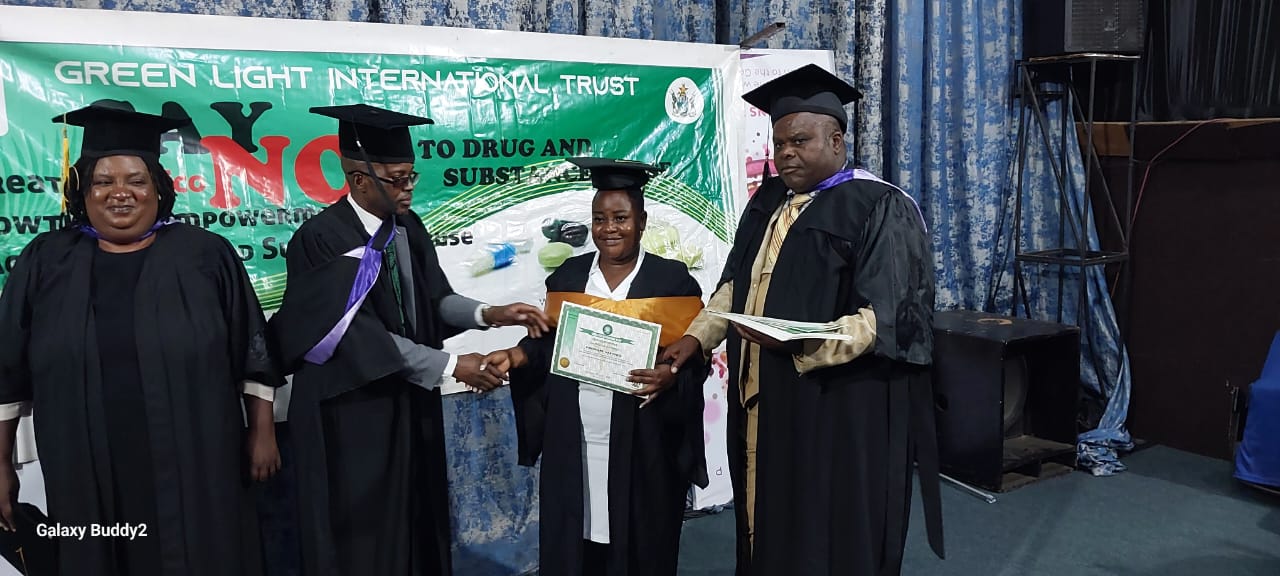
More than 40 graduates received nursing aide certificates in Harare as Green Light International Trust celebrated a decade and a half of restoring potential in forgotten places
By Azriel Chimeno
Zimbabwe’s Green Light International Trust (GLIT) graduated more than 40 nursing aide trainees in Harare yesterday, marking the organisation’s 14th anniversary with a ceremony that doubled as a quiet but compelling argument for community-centred healthcare.
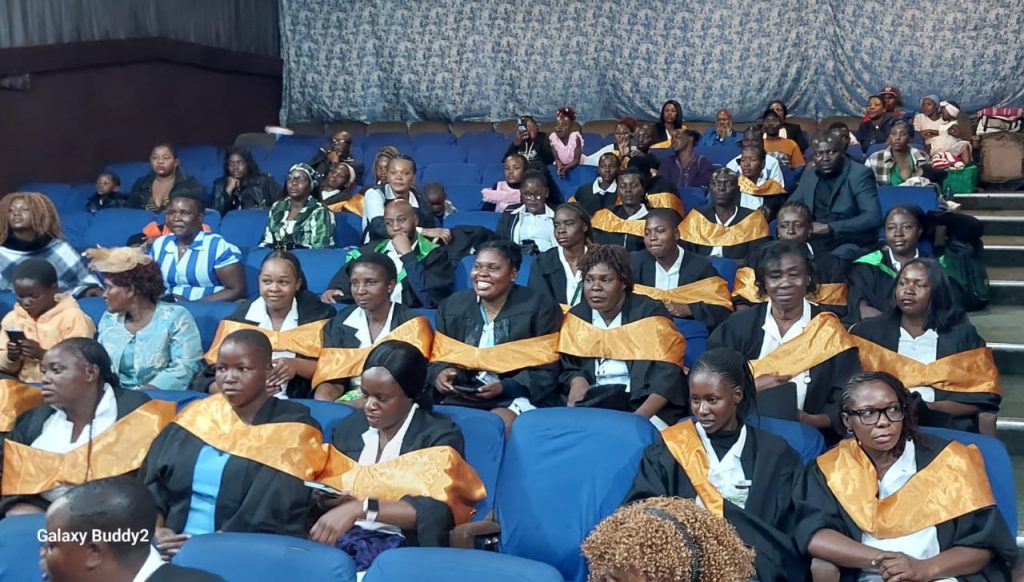
The graduation was held at Robert Mugabe Mall in the heart of the capital, a public space more accustomed to commerce than ceremony. Yesterday it became something else entirely — a hall of testimony, as graduates dressed in bright yellow stoles walked across the stage to receive certificates in Community Rehabilitation and Basic Home Nursing Care, the culmination of six months of classroom instruction and hands-on field attachment.
The anniversary theme, From Dust to Life, was not chosen for its poetry. For GLIT and for many of the graduates who passed through its programme, it is a literal description of a journey — from circumstance and obscurity to skill, purpose and the capacity to serve others.
“We are very proud of these graduates,” said Tawanda Makwiramiti, GLIT’s founder and director, speaking on the sidelines of the ceremony. “During their attachment at our rehabilitation centre, they gained much-needed first-hand experience working with patients with disabilities. That exposure is what prepares them to serve with confidence in the community.”
 Makwiramiti was direct in his message to the graduating class. “Today is not the end. It is the beginning. As GLIT, we will continue to walk with you, support you, and create opportunities for you to use the skills you have gained to transform lives.”
The six-month nurse aide training programme is one of GLIT’s flagship offerings and reflects the organisation’s deliberate focus on practical, community-facing skills. Trainees begin with classroom instruction covering basic nursing principles, rehabilitation techniques, patient hygiene, communication and the ethics of care, before moving into field attachments at clinics, rehabilitation centres and private homes. It is in those attachments — sitting with an elderly patient, supporting someone recovering from injury, navigating the particular demands of home-based care — that the theoretical becomes instinct.
The result, GLIT argues, is graduates who do not simply hold a certificate. They hold competence.
That distinction mattered to those who attended yesterday’s ceremony. Harare Mayor Jacob Mafume, represented by Councillor Tomasi, praised the organisation’s contribution to health and youth development in the city. Chief Zvimba, also present, commended GLIT’s emphasis on practical skills that directly serve vulnerable populations.
“We appreciate GLIT for stepping in to train and equip our youths on health issues,” said the representative of the mayor’s office. “This kind of work strengthens our communities and reduces the burden on our health system.”
The observation points to something larger than a single graduation ceremony. Zimbabwe, like many countries in the region, faces persistent pressure on its formal health infrastructure. Hospitals are stretched. Families caring for elderly relatives or persons with disabilities often do so without training, without support, and without respite. Community-based caregivers — skilled, equipped and present — represent one of the most cost-effective responses to that gap. GLIT has spent 14 years making that case through action rather than advocacy.
The graduates who received their certificates yesterday come from varied backgrounds. Some arrived seeking a first formal qualification. Others came to put a certificate to years of informal caregiving they had already been doing, unpaid and unrecognised, within their own families and neighbourhoods. All of them, across six months of early mornings, classroom sessions and community placements, demonstrated the discipline that care work demands.
The yellow stoles they wore were a shared symbol, but the stories beneath them were distinct. Many balanced training with family responsibilities and, in some cases, paid work. That they completed the programme at all is, in itself, a form of achievement that the certificates do not fully capture.
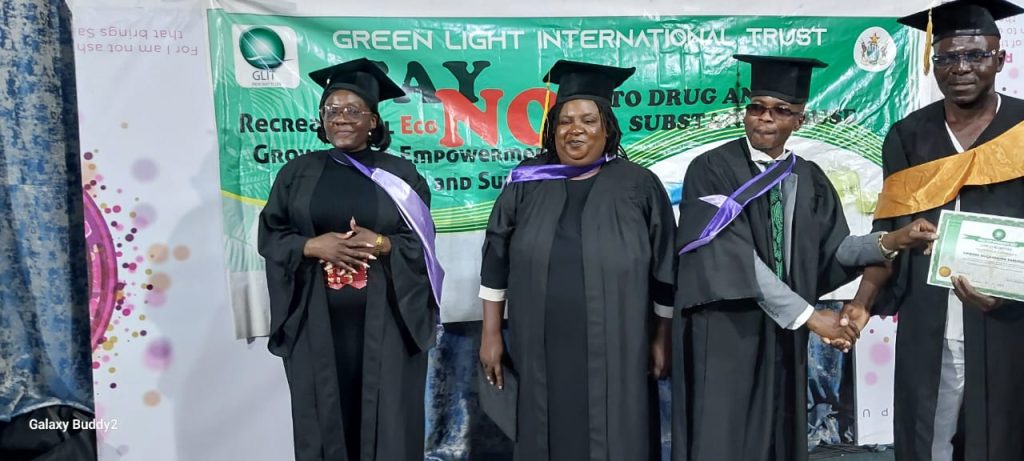 Their graduation adds to a growing network of GLIT-trained caregivers operating across Harare and surrounding areas — a network that is quietly supporting families, easing pressure on health facilities and opening employment pathways for young people in a country where formal job opportunities remain scarce. Multiply the impact of a single trained caregiver across the families and patients they serve, and the scale of what 14 graduating classes represent begins to come into focus.
For GLIT, the anniversary is both a moment of reflection and a statement of intent. Fourteen years in, the organisation shows no signs of narrowing its ambitions. Makwiramiti’s parting instruction to the graduates carried the weight of an institution confident in what it has built.
“Go and serve with excellence,” he told them.
From dust to life, one graduate at a time.
Similar Posts by The Mt Kenya Times:
- Peter Mwathi: A proven leader with a record of service in Limuru
- Mt Kenya Times ePAPER September 22, 2026
- Ruto offers Kenya as test case on African risk
- Gachagua demands fuel deal accountability, accuses Ruto of deception
- Azimio is dead. Long live the Ukombozi Alliance
About the Author