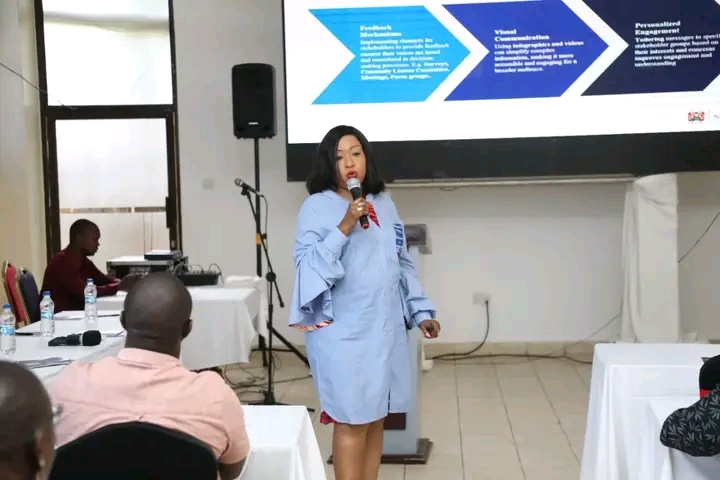
Diana Arenas Blanco: Advancing digital transformation through strategic technology leadership
 The Mt Kenya Times
Diana Arenas Blanco
By: Anila Bukhari
Diana Arenas Blanco is a Colombian technology and digital transformation leader whose work reflects the growing importance of innovation, technology governance, and strategic information systems in strengthening public institutions. With more than 12 years of professional experience, she has developed expertise in organizational transformation, strategic IT management, enterprise architecture, data governance, and technological innovation. Her professional vision centers on using technology responsibly to modernize institutions, strengthen organizational capabilities, and create sustainable value for the public sector.
As Vice President of Technology and Digital Transformation at Colombia’s National Savings, Diana contributes to the strategic modernization of technology capabilities and the development of digital initiatives that support institutional progress. Her role brings together technical knowledge, organizational strategy, and innovation, positioning technology as an essential component of effective governance and long-term institutional development.
Building a Career at the Intersection of Technology and Strategy
Diana’s professional journey reflects an understanding that technology leadership extends beyond implementing digital systems. In modern organizations, particularly public institutions, technological progress requires a coordinated approach that connects infrastructure, governance, people, processes, and strategic objectives.
Throughout more than a decade of professional experience, she has worked across areas that influence how organizations adopt technology, manage digital resources, and respond to changing operational demands. Her background in organizational transformation and strategic information technology management provides a foundation for approaching complex institutional challenges with both technical awareness and a broader understanding of organizational priorities.
For Diana, digital transformation represents an opportunity to strengthen the way institutions operate, make decisions, and deliver value. Successful transformation involves more than introducing new platforms or automating existing procedures. It requires an understanding of institutional needs, careful planning, effective governance, and the capacity to sustain change over time.
This perspective is particularly relevant in the public sector, where technological modernization must support institutional responsibilities while promoting reliability, accountability, and responsible resource management.
Leading Technology and Digital Transformation at National Savings
In her current position as Vice President of Technology and Digital Transformation at Colombia’s National Savings, Diana contributes to the institution’s technological development and modernization agenda. Her responsibilities encompass strategic areas including digital transformation, enterprise architecture, data governance, cybersecurity, and the evolution of technology capabilities.
These areas are closely interconnected. Digital transformation requires organizations to understand their existing technological environments, identify opportunities for improvement, and establish systems that can support future demands. Enterprise architecture helps connect technology investments with institutional objectives, while data governance provides a framework for managing information responsibly and consistently.
Cybersecurity is equally important in an increasingly interconnected digital environment. As institutions depend more heavily on information systems and digital services, protecting information, maintaining system reliability, and addressing technological risks become essential elements of responsible leadership.
Diana’s work brings these considerations into the broader context of strategic institutional development. By contributing to the modernization of technology capabilities, she supports an approach in which digital initiatives are considered part of the institution’s overall direction rather than isolated technical projects.
Her leadership area also highlights the importance of aligning innovation with practical organizational needs. Sustainable technological progress depends on establishing clear priorities, understanding institutional challenges, and developing capabilities that can evolve alongside changing expectations and emerging opportunities.
Connecting Innovation With Institutional Governance
A defining element of Diana’s professional interests is the relationship between technology and governance. As organizations become increasingly dependent on digital infrastructure, decisions about technology have broader implications for institutional performance, risk management, transparency, and strategic resilience.
Technology governance provides the structures and decision-making processes through which institutions determine how technological resources are managed, how risks are addressed, and how digital investments contribute to organizational objectives. When supported by effective governance, innovation can become a more consistent and sustainable part of institutional development.
Diana’s experience in strategic IT management and organizational transformation offers a foundation for examining these connections. Her professional perspective recognizes that technological capabilities must be developed within an institutional framework that encourages accountability, coordination, and long-term thinking.
This approach is especially significant for public organizations, which must consider not only operational effectiveness but also their wider institutional responsibilities. Modernization initiatives require a balance between innovation and security, efficiency and accountability, and immediate priorities and future readiness.
By bringing strategic technology management into conversations about institutional development, Diana’s work reflects the importance of leadership that can connect technical decisions with organizational purpose.
An Academic Commitment to Organizational Development
Alongside her professional responsibilities, Diana is pursuing doctoral studies in Organizational Administration. Her academic interests include corporate governance and the development of critical technology capabilities in public institutions.
This area of study creates an opportunity to explore questions that are increasingly relevant to contemporary organizations. How can public institutions develop the technological capabilities needed to remain effective in a rapidly changing environment? What governance structures help ensure that technology investments produce meaningful institutional value? How can organizations strengthen their ability to manage innovation while maintaining accountability and resilience?
These questions connect Diana’s academic interests with the practical challenges of technology leadership.
Her educational background also reflects an interdisciplinary approach to professional development. As an Electronic Engineer with postgraduate education in strategic ICT management and innovation management, she combines technical foundations with specialized knowledge of organizational strategy and technological change.
This combination supports a broader understanding of how technology operates within institutions. Engineering provides insight into technical systems and problem-solving, while strategic management and innovation studies help connect technological possibilities with institutional objectives.
Doctoral research further offers a framework for examining these relationships through structured inquiry, evidence, and critical analysis. By exploring corporate governance and critical technology capabilities, Diana is developing an academic perspective that complements her professional experience.
Championing Responsible and Sustainable Digital Progress
Responsible technology leadership requires more than an interest in emerging tools or digital trends. It involves making thoughtful decisions about how technology is introduced, governed, secured, and sustained. It also requires recognizing that technological change affects institutional processes, professional responsibilities, and the way organizations prepare for the future.
Diana’s professional vision emphasizes responsible leadership, institutional innovation, and stronger digital capabilities across the public sector. These priorities reflect the need for institutions to develop technology strategies that are not only responsive to current challenges but also adaptable to future developments.
Building sustainable digital capabilities involves creating the conditions for continued learning and improvement. Institutions must be able to assess their technological needs, establish appropriate governance mechanisms, protect information, and align digital initiatives with their long-term objectives.
Such progress depends on coordination between technology professionals, institutional leaders, and other stakeholders. Digital transformation is most meaningful when technical development is accompanied by strategic clarity and a shared understanding of the outcomes an organization seeks to achieve.
Through her work in technology and digital transformation, Diana contributes to this broader conversation about how public institutions can strengthen their technological foundations and prepare for an increasingly digital future.
Looking Toward the Future
Diana Arenas Blanco’s professional profile brings together more than 12 years of experience, technical education, strategic technology management, and ongoing doctoral research. Her work at Colombia’s National Savings places her within an institutional environment where technology modernization, governance, cybersecurity, and innovation intersect.
Her career illustrates the value of approaching digital transformation as a comprehensive organizational process. Beyond technological implementation, meaningful modernization requires strategic planning, effective governance, institutional commitment, and the development of capabilities that can support lasting progress.
As public institutions continue to navigate technological change, leadership that connects innovation with accountability and organizational objectives will remain important. Diana’s professional focus reflects this evolving understanding of technology as both an operational resource and a strategic institutional capability.
Through her continued work and academic development, she remains engaged in the challenges of strengthening technology governance, advancing digital transformation, and understanding how public institutions can build the capabilities required for sustainable modernization.
Her journey represents a commitment to bringing technical expertise and strategic thinking together in service of institutional progress. By focusing on responsible innovation and the long-term development of digital capabilities, Diana Arenas Blanco contributes to the broader effort to shape public institutions that are better prepared to respond to the opportunities and complexities of the digital age.
Similar Posts by The Mt Kenya Times:
- Mt Kenya Times ePAPER October 12, 2026
- Gachagua’s party storms Kikuyu from afar as 2027 countdown begins
- Counties caught: The KSh100B payroll scandal Kenya can no longer hide
- CS Ogamba: tree planting could generate carbon credit millions to fund education
- Farouk Kibet calls for unity and development as leaders rally behind Ruto’s 2027 re-election bid
About the Author