
By: Rayimqulova Setora
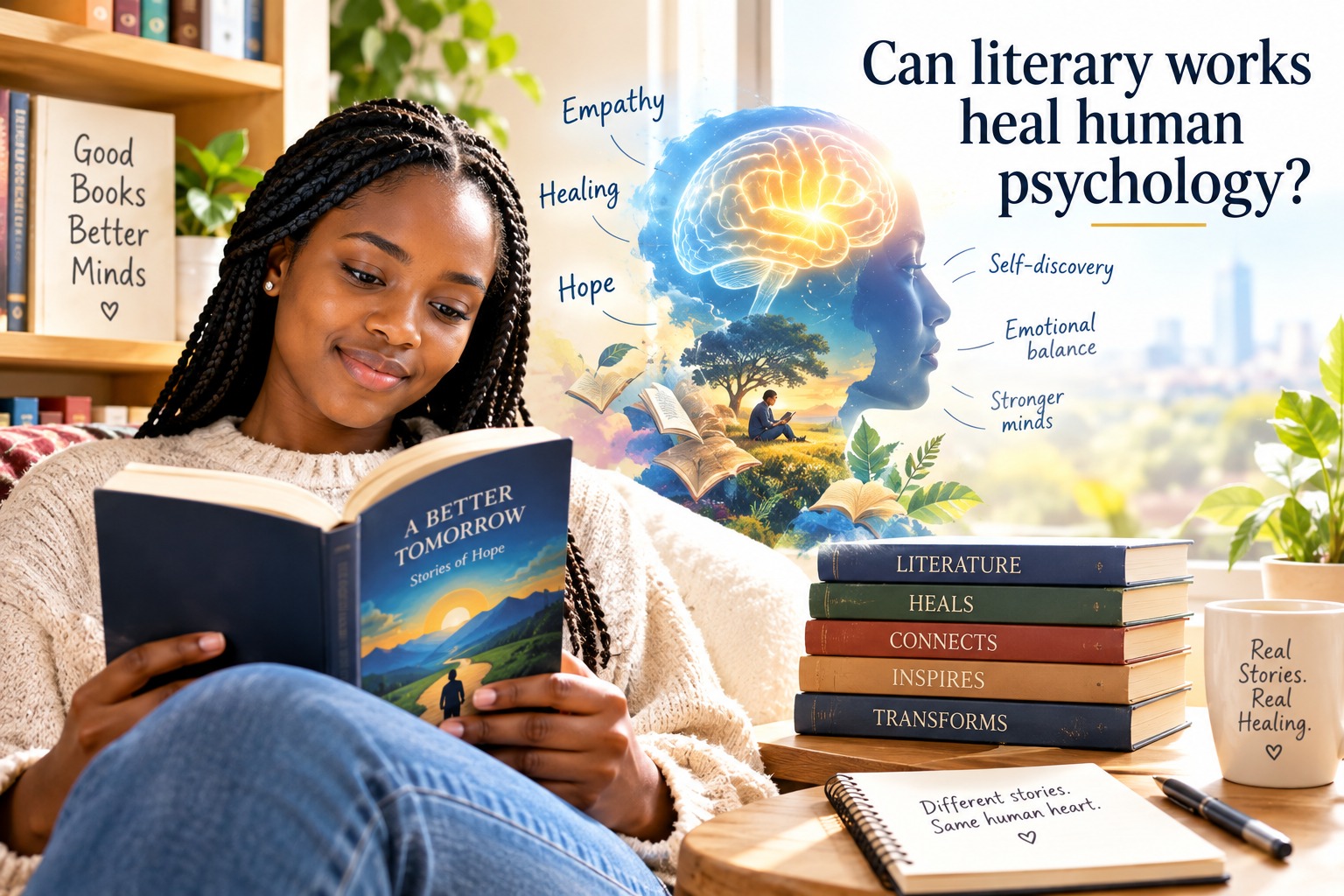
Literature has always been an important part of human life. People read novels, stories, poems, and other literary works not only for entertainment but also to understand themselves and the world around them. A good literary work can make a person think, feel, remember, and even change their attitude toward life. For this reason, literature can have a strong influence on human psychology.
The question of whether a literary work can heal human psychology is interesting and important. Literature cannot replace professional medical or psychological treatment, but it can support a person’s emotional well-being. Reading about characters who experience difficulties, fear, loneliness, loss, or hope may help readers understand their own emotions. In this sense, literature can become a form of emotional support and psychological relief.
One of the main powers of literature is its ability to influence emotions. When people read a story, they often become emotionally connected with its characters. They may experience happiness when a character succeeds, sadness when a character suffers, or hope when a difficult situation improves. This emotional experience can help readers recognize and express their own feelings. Sometimes people find it difficult to explain their emotions in everyday life. A literary character, however, may experience exactly the same feelings. By seeing these emotions described in a story, the reader may realize that their own feelings are natural and understandable. Literature can also provide emotional relief. Reading a meaningful story can temporarily help a person move away from everyday stress and concentrate on another world. This does not mean that problems disappear, but it can give the mind an opportunity to rest.
Another important function of literature is helping people understand themselves. Literary works often raise questions about love, friendship, family, responsibility, freedom, fear, morality, and personal choices. While thinking about these questions, readers may also reflect on their own lives.
For example, a character who makes a difficult decision may encourage the reader to think about similar decisions in their own life. A story about overcoming difficulties can give a person motivation and confidence. A character who learns from mistakes may show the reader that failure is not always the end of a journey. In this way, literature can encourage self-reflection. It can help people look at their experiences from a different perspective and understand their thoughts more clearly.
Literary works can also develop empathy. When readers enter the emotional world of another character, they begin to see situations from another person’s point of view. This ability is especially important for human relationships. A novel may describe the life of someone who has a completely different background, culture, age, or social position. By reading about that person’s experiences, the reader can become more understanding and less judgmental. Literature therefore has the potential to make people emotionally more sensitive.
Empathy is closely connected with psychological well-being. People who understand the feelings of others may build stronger relationships and communicate more effectively. Thus, literature can influence not only an individual’s inner world but also their relationships with people around them.
Life inevitably contains difficulties. People may experience disappointment, failure, loneliness, conflicts, or major changes. Literary works frequently describe such experiences and show different ways characters respond to them. Stories about perseverance can strengthen psychological resilience. When readers see a character facing serious challenges and continuing to move forward, they may feel encouraged to deal with their own difficulties. Literature can remind people that difficult periods are often temporary and that human beings have the ability to adapt. Poetry can have a similar effect. A short poem may express an emotion that a reader has experienced but could not describe themselves. Such recognition can create a feeling of connection and reduce the sense of being alone.
It is important to use the word “heal” carefully. Literature alone cannot cure serious psychological disorders or replace professional treatment. A person experiencing significant emotional or mental difficulties may need help from a qualified psychologist, psychiatrist, doctor, or another appropriate professional.
However, literature can have a supportive and therapeutic influence. It may reduce feelings of isolation, encourage positive thinking, stimulate self-reflection, and provide emotional comfort. Some approaches to psychological support also use reading and discussion of literary texts as part of broader therapeutic or educational practices. Therefore, literature should not be considered a medicine in the traditional sense. Its value is different. It works through emotions, imagination, reflection, empathy, and the human need to find meaning in experiences.
In conclusion, literary works can have a meaningful influence on human psychology. They can help people understand their emotions, reflect on their lives, develop empathy, find hope, and become psychologically more resilient. A powerful story can sometimes make a person feel understood at a moment when they feel alone.
Literature cannot replace professional psychological or medical treatment, but it can be an important source of emotional and intellectual support. A book does not directly solve a person’s problems; instead, it can change the way a person sees those problems. Sometimes a new perspective is the first step toward emotional strength and personal growth.
For this reason, literature can be viewed not only as art and entertainment but also as a powerful means of influencing the human inner world. The words written by an author may continue to live in a reader’s thoughts and emotions long after the book has been closed.
Rayimqulova Setora Alfraganus University Faculty of Philology, Teaching Languages English Language Department, 3rd-year student.
Similar Posts by The Mt Kenya Times:
- Ronaldo closes in on 1,000 goals with Al-Nassr hat-trick
- Thieves raid Munich air disaster memorial, stealing medals and sculpture
- Mental health and lifestyle: Two sides of the same coin
- AFA boosts sunflower, cotton and cashew nut farming in Tharaka-Nithi
- Ruto secures Russia pledge to halt Kenyan military recruitment
About the Author