Title: Survival, Self-Reliance, and Faith in God
Reviewed by Mahnoor Naeem Butt
Introduction
Robinson Crusoe is one of the most celebrated novels in English literature. Written by Daniel Defoe and published in 1719, it is regarded as one of the earliest English novels. Its engaging narrative and valuable life lessons have kept it popular for centuries. Although it is an adventure story, it also highlights the importance of patience, self-reliance, courage, hard work, and faith in God.
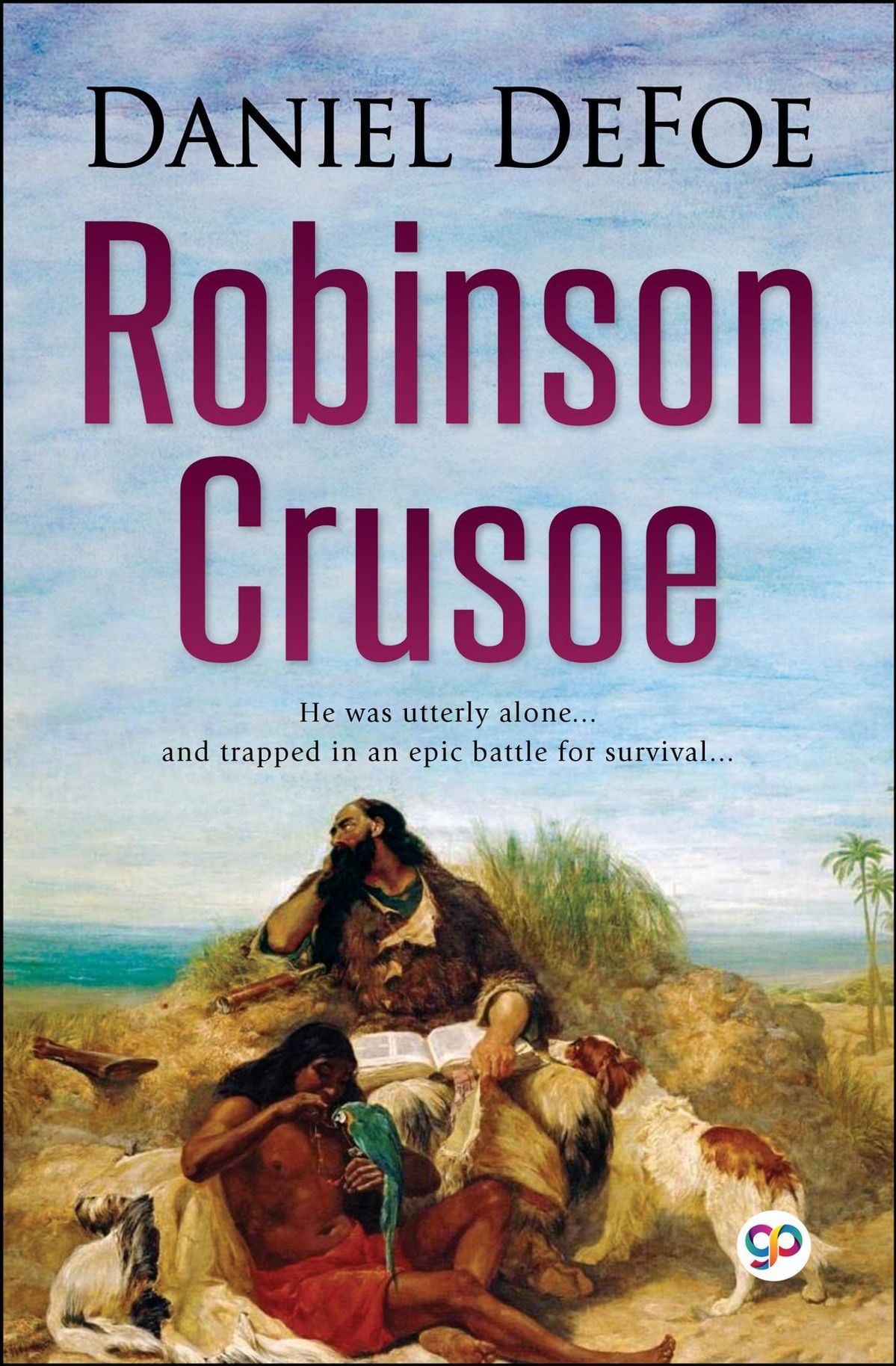
The story revolves around Robinson Crusoe, a man who becomes stranded on a deserted island and survives there for twenty-eight years. Born into a middle-class family in England, Crusoe is expected by his parents to lead a secure and peaceful life. However, he longs for adventure and dreams of travelling across the seas and exploring the world. Despite his father’s warnings about the dangers of life at sea, Crusoe ignores his advice and decides to become a sailor. This decision marks the beginning of many exciting but dangerous experiences.
Crusoe’s Adventures and Shipwreck
During his early voyages, Crusoe experiences shipwrecks, storms, and even captivity by pirates. Nevertheless, his passion for adventure remains strong, and he continues to travel by sea. Eventually, during another voyage, his ship encounters a terrible storm. The vessel is destroyed, and all the sailors drown except Crusoe. He manages to swim to a nearby island, where he finds himself completely alone.
At first, Crusoe feels frightened, hopeless, and shocked. There is nobody else on the island, and rescue seems unlikely. He misses his family, friends, and comfortable life in England. However, rather than surrendering to sadness and fear, he gathers his courage and begins to plan for his survival.
Crusoe returns to the wrecked ship and collects useful supplies, including tools, food, weapons, ropes, gunpowder, and clothes. These items help him survive during his first days on the island. He builds a shelter that gradually becomes his home, along with storage spaces, fences, and furniture. Through courage, intelligence, and determination, he transforms the deserted island into a place where he can live more safely.
Self-Reliance and Hard Work
Crusoe gradually develops a range of practical skills. He grows crops such as wheat and barley, hunts animals for food, and domesticates goats for meat and milk. He also learns to bake bread, make pottery for cooking and storage, and prepare clothing from animal skins.
Since he is completely alone, Crusoe must depend on his own abilities and resources. This part of the novel is especially important because it highlights the value of self-reliance, perseverance, and hard work. Crusoe demonstrates that people can adapt to difficult circumstances when they remain determined, patient, and resourceful.
His experiences also show that survival requires careful planning and the effective use of available resources. Instead of wasting time complaining about his situation, Crusoe works continuously to improve his living conditions. His achievements illustrate human ingenuity and the ability to overcome adversity through sustained effort.
Loneliness, Faith, and Spiritual Growth
Although Crusoe becomes increasingly capable of providing for himself, loneliness remains one of his greatest challenges. Living alone on the island makes him feel depressed and isolated, and he sometimes fears that he will never return home. To keep himself occupied and record his experiences, he maintains a journal in which he writes about his daily activities and thoughts.
During his isolation, Crusoe also develops a deeper relationship with God. He spends time reading the Bible, which he has salvaged from the ship. Gradually, he comes to believe that his survival is not the result of his own efforts alone but also a blessing from God. Throughout his years on the island, he becomes more thankful, humble, and spiritually aware.
His experiences suggest that hardship can encourage personal reflection and spiritual development. The island becomes not only a place of physical survival but also a setting for moral and religious transformation. Through suffering and isolation, Crusoe learns to appreciate life, recognise what he owes to divine mercy, and remain grateful for what he has.
The Discovery of Footprints and the Arrival of Friday
After spending many years alone on the island, Crusoe discovers a human footprint in the sand. The discovery frightens him because he realises that other people may be visiting the island. He later learns that groups of Indigenous people, whom the novel portrays as cannibals, occasionally come there.
One day, Crusoe saves a man from a group of these people. He names him Friday because he rescues him on that day of the week. Friday becomes Crusoe’s companion and an important presence in his life on the island.
The relationship between Crusoe and Friday is significant to the development of the story. Crusoe teaches Friday English and introduces him to his own customs and beliefs. In return, Friday helps him with daily tasks and provides companionship. Friday’s presence makes Crusoe’s life less lonely and more manageable.
However, their relationship also raises questions about colonialism, cultural superiority, and power. Crusoe assumes the role of Friday’s teacher and master, expecting him to adopt his language, religion, and way of life. From a modern critical perspective, their relationship can be examined as an example of the colonial attitudes prevalent in eighteenth-century European literature. Although Friday becomes Crusoe’s loyal companion, their relationship is unequal because Crusoe exercises considerable authority over him.
Crusoe’s Return to England
Eventually, Crusoe and Friday encounter English sailors who arrive on the island. Crusoe helps the captain regain control of his ship from rebellious members of the crew. In return, the captain agrees to take Crusoe back to England.
After approximately twenty-eight years on the island, Crusoe finally returns home. His experiences have transformed him into a more resourceful, patient, and reflective person. His return marks the end of his long struggle for survival and the beginning of a new chapter in his life.
Major Themes of the Novel
- Survival: Survival is the central theme of Robinson Crusoe. The protagonist faces numerous hardships, including shipwreck, isolation, shortages of supplies, and fear. His ability to overcome these difficulties demonstrates the importance of adaptability, intelligence, and perseverance.
- Self-Reliance: Crusoe learns to depend on himself rather than simply waiting for others to rescue him. He develops practical skills and makes effective use of the resources available to him. His experiences suggest that independence and determination are essential for overcoming life’s challenges.
- Hard Work and Perseverance: Crusoe does not give up, even when his circumstances appear hopeless. He works continuously to improve his living conditions. His struggle illustrates how patience, consistent effort, and determination can help people overcome difficult situations.
- Faith in God: Religion plays a significant role in Crusoe’s personal development. Through reading the Bible and reflecting on his experiences, he develops a stronger sense of gratitude and spiritual awareness. The novel presents faith as a source of comfort and strength during suffering.
- Hope and Optimism: Despite his loneliness and uncertainty, Crusoe continues to seek ways to improve his situation. His refusal to abandon hope teaches readers to remain courageous and positive during difficult times.
- Colonialism and Power: The relationship between Crusoe and Friday reflects colonial attitudes of the period. Crusoe assumes authority over Friday and attempts to shape his beliefs and behaviour according to European values. This relationship invites readers to question unequal power relations and assumptions of cultural superiority.
Personal Response and Lessons Learnt
I have learnt several valuable lessons from Robinson Crusoe. The novel teaches me the importance of hard work, self-reliance, patience, and determination. Crusoe does not remain idle or continually complain about his circumstances. Instead, he uses his time wisely and works consistently to improve his life.
His struggle demonstrates that success often requires effort, discipline, and the courage to face difficulties. I have also learnt that hope is essential during challenging times. Even when Crusoe feels frightened and lonely, he continues to search for solutions rather than surrendering to despair.
Furthermore, the novel encourages readers to appreciate faith, gratitude, and practical wisdom. It reminds us that difficult circumstances can become opportunities for learning, personal growth, and self-discovery.
Conclusion
In conclusion, Robinson Crusoe is a timeless novel that continues to inspire readers around the world. It is not merely an adventure story; it also offers powerful lessons about survival, faith, patience, and perseverance. Crusoe’s journey demonstrates that determination, intelligence, and positive thinking can help individuals overcome even the most difficult circumstances.
The novel encourages readers to remain hardworking, courageous, and hopeful, regardless of the challenges they encounter. At the same time, its portrayal of Crusoe’s relationship with Friday invites critical reflection on colonialism and cultural inequality. These dimensions make Robinson Crusoe a significant work in English literature and an enduring example of survival fiction.
Even today, the novel highlights human resilience in the face of isolation and hardship. Its combination of adventure, moral reflection, and social questions ensures its lasting importance in the history of the English novel.
Submitted to: Muhammad Adnan Gujjar
Project: Victorian Novel
Programme: BS English Literature, 4th Semester
Institution: University of Chenab, Gujrat, Pakistan
Similar Posts by The Mt Kenya Times:
- Mt Kenya Times ePAPER October 27, 2026
- Sifuna draws hope from Serbia and Brazil as Kenya’s 2027 race heats up
- Uhuru calls for unity as he marks 65th birthday
- Kenya establishes international crimes division: Justice delayed, but will it be delivered?
- World marathon champion Jepchirchir suspended in fresh blow to Kenya’s clean sport drive
About the Author