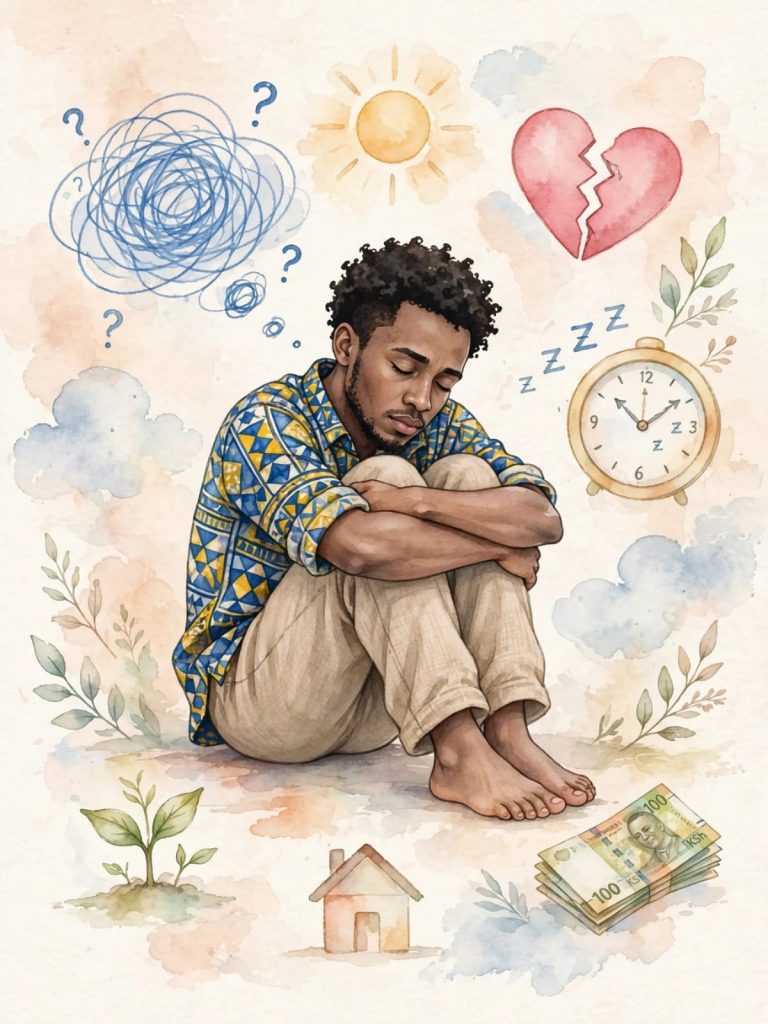
A silent victory, a growing warning: HIV cases fall but Kenya’s youth remain in danger
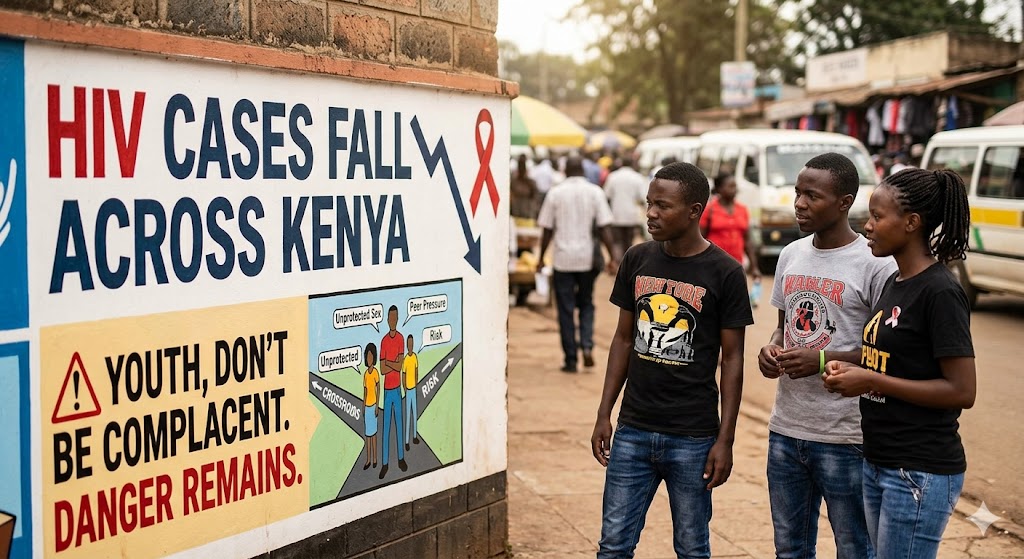
Kenya has made real gains against HIV — but young people are still bearing the heaviest burden
By Hadassah Karangu
Kenya has every reason to feel a measure of quiet pride in its fight against HIV and AIDS. Over the years, the country has made remarkable progress — infections have declined, treatment has improved, and people living with HIV are living longer, healthier lives.
But beneath that progress lies a troubling reality that cannot be brushed aside.
Young people and children remain at the heart of the epidemic. Data from the Ministry of Health shows that young people aged 15 to 24 now account for 41 percent of all new HIV infections recorded this year — a figure that has alarmed health experts who warn this age group is growing more vulnerable, not less, despite decades of awareness campaigns.
Kenya still has approximately 1.3 million people living with HIV, one of the highest totals in the region. Treatment is more accessible than ever, yet more than 19,000 new infections were recorded in 2025 alone. Of those, 58 percent occurred among people aged 15 to 34 — a generation that should be thriving.
Children, too, remain caught in the crisis. Significant strides have been made in preventing mother-to-child transmission, but the gains are slipping. Recent reports show the transmission rate from mothers to babies has climbed from 7.3 percent to 9 percent, underlining the urgent need for stronger maternal healthcare and earlier testing.
Experts point to a cluster of factors driving infections among young people — risky sexual behaviour, peer pressure, misinformation circulating on social media, substance abuse, and a fading of the HIV awareness culture that defined earlier generations. Perhaps most tellingly, many young Kenyans today say they fear an unplanned pregnancy more than HIV, a shift in perception that is quietly costing lives.
There is, however, cause for cautious hope. This year Kenya became the first country in East Africa to introduce Lenacapavir, a breakthrough HIV prevention injection that provides six months of protection with just two doses a year. Health officials are counting on the innovation to help turn the tide among adolescents and young adults.
The broader message is not complicated. Kenya is winning important battles, but the war is far from over. Every new infection among a young person is a dream interrupted, a future placed in jeopardy — and a reminder that awareness, testing, and prevention must remain national priorities, not seasonal campaigns.
Progress is real, and it should be acknowledged. But if Kenya is serious about raising an HIV-free generation, the focus must shift decisively towards protecting its young people and children — before the hard-won gains of recent years begin to unravel.
Similar Posts by The Mt Kenya Times:
- Mt Kenya Times ePAPER October 1, 2026
- Museveni backs Lamu but keeps Uganda’s money at home
- Sifuna’s party wins its name — and Kenya’s opposition race begins in earnest
- Lamu’s $16B gamble: Africa’s biggest refinery divides the region
- Ruto launches KSh2.2 trillion Lamu refinery in East Africa’s biggest energy bet
About the Author