The Mt Kenya Times
Women’s Voices To Mitigate Climate Impacts
By: Nagasha Sharon
Worth Noting:
- In many parts of the world, women are the primary managers of household resources such as water, food, and energy. This daily interaction with natural resources gives them a deep understanding of local ecosystems and the challenges posed by climate change. Women are often the first to notice shifts in environmental patterns and the impacts of these changes on their communities. By involving women in climate resilience planning, we can leverage their knowledge to develop strategies that are both effective and culturally appropriate.
- For instance, in regions prone to drought, women have pioneered innovative water conservation techniques and crop diversification practices. Their intimate knowledge of indigenous plants and traditional farming methods can contribute significantly to sustainable agricultural practices.
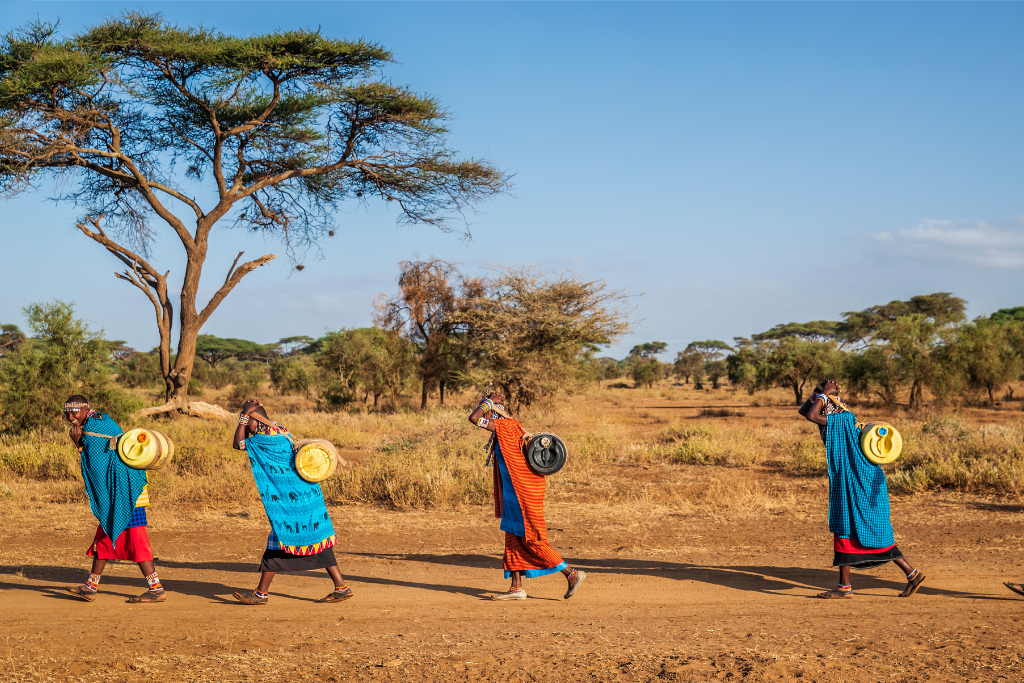
Climate change is an existential threat to our planet and it requires a multifaceted approach to mitigate its impacts. Among the various strategies, amplifying women’s voices emerges as powerful yet underutilized tool. Women, often on the frontlines of climate change, possess unique perspectives and solutions that can drive effective action. Their involvement is crucial for several reasons. It’s important to note that there are key players in community resilience, sustainable practices, and essential contributors to policy development and climate change solutions.
Climate change isn’t a gender-neutral issue. Women, particularly those in developing countries, are often disproportionately affected by its consequences. Yet, they are also powerful agents of change, holding unique knowledge and perspectives crucial for effective climate solutions.
In many parts of the world, women are the primary managers of household resources such as water, food, and energy. This daily interaction with natural resources gives them a deep understanding of local ecosystems and the challenges posed by climate change. Women are often the first to notice shifts in environmental patterns and the impacts of these changes on their communities. By involving women in climate resilience planning, we can leverage their knowledge to develop strategies that are both effective and culturally appropriate.
For instance, in regions prone to drought, women have pioneered innovative water conservation techniques and crop diversification practices. Their intimate knowledge of indigenous plants and traditional farming methods can contribute significantly to sustainable agricultural practices. When women’s insights are integrated into broader climate strategies, the entire community benefits from more resilient and adaptive approaches.
So, how can we amplify women’s voices in climate action?
There is urgent need for training and Mentorship, this requires to equip women with media skills and communication tools to effectively share their stories and advocate for change. More so, through this, women can be able to share resilience strategies for climate adaptation.
Furthermore, Inclusive Platforms, women’s participation in decision-making processes at all levels, from community forums to international climate conferences is a major tool to increase women involved in climate change adaptation and mitigation to promote gender and climate justice.
In addition, there is urgent need for funding and Support of women initiatives to mitigate and adapt climate change impacts especially locally led solutions. Direct resources towards women-led climate initiatives, acknowledging their unique needs , challenges and their contributions to climate solutions.
Here’s why ensuring women’s voices in mitigating the impacts of climate change is very vital.
Unequal Burden and unpaid care work when extreme weather events occur like floods and drought. Women frequently manage household resources, including water and energy. Climate disruptions like droughts and floods worsen these burdens, jeopardizing families’ health and well-being. Women’s experiences on the ground inform adaptation strategies that directly address these vulnerabilities.
Furthermore, women are custodians of indigenous Knowledge, Women in indigenous communities and rural areas often possess deep-rooted knowledge of local ecosystems and traditional practices for sustainable resource management. Their voices can guide policymakers towards solutions that respect cultural wisdom and environmental balance. In addition, women are drivers of Innovation: Women are leading the charge in climate-smart agriculture, sustainable energy access, and disaster risk reduction at the community level. Amplifying these success stories inspires others and encourages investment in locally-driven initiatives.
Women as Leaders in Sustainable Practices , Around the globe, women are leading efforts to adopt sustainable practices that mitigate climate change. From grassroots activism to entrepreneurial ventures, women are at the forefront of promoting renewable energy, waste reduction, and sustainable agriculture. Organizations led by women often prioritize community well-being and environmental stewardship, creating models of sustainability that can be replicated elsewhere.
In India, for example, women-led cooperatives have successfully implemented solar energy projects, providing clean energy to remote villages and reducing dependence on fossil fuels. In Kenya, women entrepreneurs are transforming agricultural waste into biofuels, offering a renewable energy source while addressing waste management issues. These initiatives not only reduce greenhouse gas emissions but also empower women economically, fostering a cycle of sustainable development.
Influence in Policy and Decision-Making, Despite their critical roles, women are often underrepresented in decision-making processes related to climate policy. Amplifying women’s voices in these arenas is essential to ensure that policies are inclusive and address the needs of all community members. Research shows that when women are involved in climate negotiations and policy-making, the resulting agreements are more comprehensive and effective.
For example, countries with higher female parliamentary representation are more likely to ratify international environmental treaties. Women’s participation ensures that diverse perspectives are considered, leading to more holistic and equitable solutions. Policies that support women’s education, reproductive health, and economic empowerment are intrinsically linked to better climate outcomes, as they contribute to lower population growth and increased resilience.
Challenges and Pathways Forward
While the benefits of amplifying women’s voices are clear, significant barriers remain. Cultural norms, lack of access to education and resources, and limited representation in leadership positions hinder women’s full participation. Addressing these challenges requires concerted efforts from governments, non-governmental organizations, and the private sector.
Furthermore, Educational initiatives that empower women with knowledge about climate science and sustainable practices are vital. Additionally, creating platforms for women to share their experiences and solutions can amplify their impact. Supporting women-led organizations and ensuring their representation in climate negotiations will also be crucial.
In a nutshell, Amplifying women’s voices is not just a matter of gender equality; it is a strategic imperative in the fight against climate change. Women bring invaluable insights, innovative solutions, and a commitment to sustainability that can transform our approach to this global challenge. By elevating their voices, we can build more resilient communities, implement sustainable practices, and develop inclusive policies that mitigate the impacts of climate change. The time to act is now, and the path forward must be inclusive, equitable, and sustainable.
By empowering women and ensuring their voices are heard, we unlock a powerful force for positive change. Their leadership is not just essential for climate justice, but for building a more resilient and sustainable future for all.
For God and my country
Nagasha Sharon
Research associate
WoGEMUganda.
Similar Posts by The Mt Kenya Times:
- Julius Ogamba’s task force: The answer to Kenya’s school unrest crisis?
- Diaspora Times Global Oct 24 – Oct 30, 2026
- America’s baby bust: U.S. birth rate hits record low as women choose later motherhood
- Literary Outreach Incubation Program Instills The Culture From Book Adaption To Spoken Words
- Why starting school too early is failing our children
About the Author