Nairobi County Urges Residents to Consider Cremation as Cemeteries Are Full

By: Amhanda George
Worth Noting:
- From observation from most public and private sectors shows that most of the morges and mortuary are 80% occupied. This allows a narrow room for obtaining more bodies for preservations. For instance bodies collected from fatal accidents, can be preserved for a long period of time thus bringing ‘jam’ this has led to most mortuary organising for mass burial. Remember this is a loss since there are many resources invested but at long last they are reduced into shambles.
- Environmentally, those who cut down trees to make coffins, most don’t re-plant. These have accelerated the rate of deforestation. Trees, which may be used to combat drought and act as water catchment areas, have no power over hungry man. That’s why the late Prof. Wangari Mathai advocated tooth and nail for the green belt movement.
Accidents, chronic diseases and natural calamities are some of the major factors that triggers demise of our beloved brothers and sisters. After their departure from this blue moon it’s quite alarming to us who remain back, to cater for their hospital bills up to the burial ceremony. Sometimes the deceased’s family remains with a burden for money and debts, this may lead to pressurize to have a fund raise since sometimes all tangible resources could have been reduced to money trying to bring back life to the latter. At the burial, for example from communities in Western and Nyanza regions of Kenya. Burial is treated as a ceremonious event like wedding; talk about hiring of tents with heavy loaded catering department, even hiring public address system for entertainment of ‘guests’ at night. It is from the same disco matangas where immorality and abuse of hard drugs is embraced.
Similarly, if a deceased origin is from a polygamous family it becomes an uphill task to agree where he /she should be laid to rest, more so if there is no will or any directive left behind, we’ve seen cases taken to court to stop burial from taking place. Most families have killed themselves because of fighting for the body of the deceased. Instead of fighting a lifeless thing. If cremation could be advocated for, the families could have an equal share of the ashes or even attend the final service without quarrel. Cremation can be used to shun away some archaic cultural practises that may be used to offend others by feeling superior compared to others.
From observation from most public and private sectors shows that most of the morges and mortuary are 80% occupied. This allows a narrow room for obtaining more bodies for preservations. For instance bodies collected from fatal accidents, can be preserved for a long period of time thus bringing ‘jam’ this has led to most mortuary organising for mass burial. Remember this is a loss since there are many resources invested but at long last they are reduced into shambles.
Environmentally, those who cut down trees to make coffins, most don’t re-plant. These have accelerated the rate of deforestation. Trees, which may be used to combat drought and act as water catchment areas, have no power over hungry man. That’s why the late Prof. Wangari Mathai advocated tooth and nail for the green belt movement. She led by example by fighting for lands that were grabbed by good for nothing leaders. e.g. Mighty Karura Forest. The late Prof Wangari Mathai kept the fighting spirit and led by example; in her will she said to be cremated after her demise.
In addition, most cemeteries are full to the maximum; let’s talk about Langata and Kariakor cemetery, where the dead are buried on top of others. The grave doesn’t go beyond four feet in depth. This can lead to emergence of a deadly disease because most people have been caught and confessed of involving themselves in monkey business of reselling the coffin and living corpse anyhow. With the population pressure and how the cemeteries are full, where else should the dead be disposed?
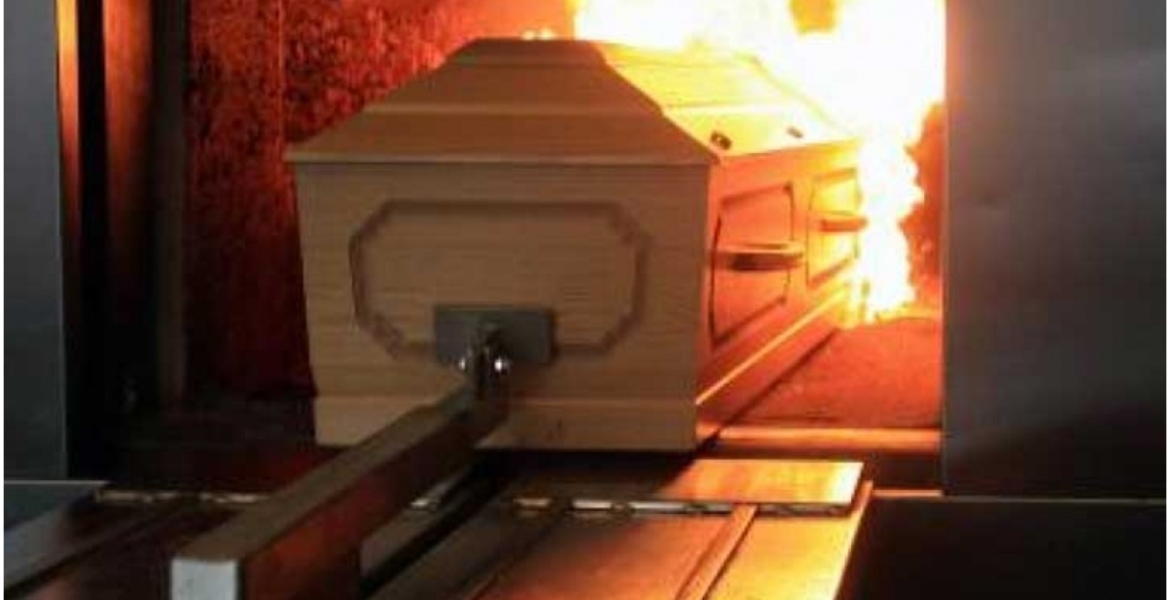
It’s high time we have to advocate for cremation. We should not familiarize ourselves that it’s meant for wealth families, Europeans and Indians. Even if we may yearn to burr your beloved ones, at long last the body shall decay and nothing will be gained. The same grave used for remembrance can be compared to an ash in a certain envelope or bottle.
Many resources used for burial can be reduced and adapt ourselves with cremation. Prominent people have undergone this, so it should not be seen as a taboo or an outcast. Let’s try and think outside the box!
Public Relation student,
Rongo University.
Similar Posts by The Mt Kenya Times:
- Laikipia University: A natural haven for learning
- Why you should not milk a Kenyan buffalo
- Beyond the scars: The grief, fear and hope of living after breast cancer
- Obaga Momanyi hosts free medical camp for Persons with Disabilities in Bonchari
- How Kenya’s economic titans feast while competition law serves as courteous footnote
About the Author