Can Influencers Be Sued For Misleading Consumers? Lessons From Shaquille O’Neal’s FTX Case And Kenya’s Legal Landscape
 The Mt Kenya Times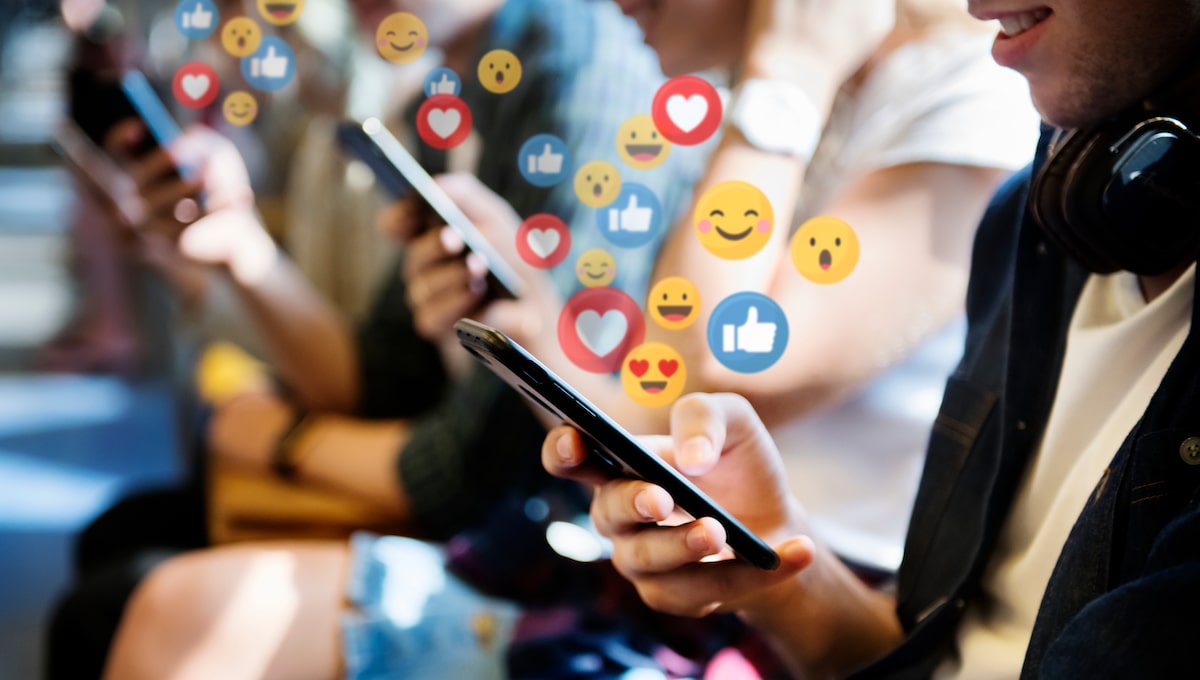
By Jerameel Kevins Owuor Odhiambo
In the digital age, social media influencers wield immense power, shaping consumer behavior with a single post. In Kenya, where influencer marketing has surged, with brands leveraging platforms like Instagram and TikTok to reach millions, this influence comes with significant responsibility. However, when influencers promote fake or misleading products, the consequences can be severe, both for consumers and the influencers themselves. A recent high-profile case involving NBA legend Shaquille O’Neal, who agreed to pay $1.8 million to settle a class-action lawsuit related to the collapsed cryptocurrency exchange FTX, highlights the legal risks influencers face. This article explores whether influencers can be sued for misleading consumers in Kenya, drawing parallels with O’Neal’s case and grounding the discussion in Kenya’s legal framework, supported by data and evidence.
Shaquille O’Neal’s legal troubles stem from his role in promoting FTX, a cryptocurrency exchange that collapsed in 2022, resulting in $8 billion in customer losses. O’Neal, along with celebrities like Tom Brady and Stephen Curry, was accused of misleading investors by touting FTX as a safe and trustworthy platform through paid endorsements. The class-action lawsuit, filed in the U.S. District Court for the Southern District of Florida, alleged that O’Neal’s promotions, including social media posts and appearances at events like Shaq’s Fun House, influenced consumers to invest in what was later deemed a fraudulent scheme. The settlement, finalized in April 2025, required O’Neal to pay $1.8 million to cover legal fees and investor payouts, without admitting wrongdoing. This case underscores the liability influencers face when their endorsements lead to consumer harm.
In Kenya, influencer marketing is a booming industry, with the digital advertising market projected to reach $500 million by 2025, driven largely by social media platforms. Influencers, ranging from micro-creators to celebrities, promote everything from fashion to health products. However, the lack of stringent regulation has led to instances of misleading promotions. For example, a 2023 case reported by The Star highlighted an influencer who falsely claimed her online shop was closing, manipulating followers into making purchases. Such actions raise questions about accountability, as consumers often rely on influencers’ perceived credibility. The O’Neal case serves as a cautionary tale, illustrating how endorsements without due diligence can lead to legal repercussions when products fail to deliver promised value.
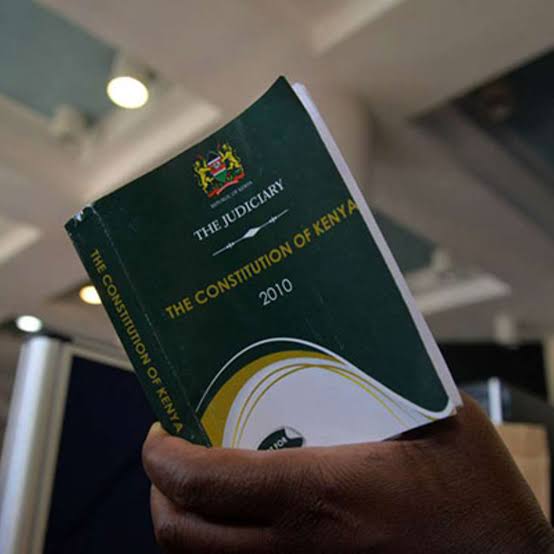
Kenya’s legal framework provides a basis for holding influencers accountable. Article 46 of the Constitution of Kenya guarantees consumer rights, including protection against unfair, misleading, or deceptive advertising. The Consumer Protection Act of 2012 further mandates that advertisements must be truthful and not mislead consumers about a product’s quality or benefits. Violators can face fines, imprisonment, or civil lawsuits. In the context of influencer marketing, this means influencers must disclose paid partnerships clearly, as outlined by the Competition Authority of Kenya (CAK), which aligns with global standards like the U.S. Federal Trade Commission’s (FTC) Endorsement Guides. Failure to comply can result in lawsuits, especially if consumers suffer financial or other harm
The O’Neal case parallels potential scenarios in Kenya, where influencers could face class-action lawsuits for promoting fraudulent or substandard products. For instance, if an influencer promotes a health supplement claiming unverified benefits, such as curing chronic illnesses, and consumers suffer harm or financial loss, they could sue for damages under the Consumer Protection Act. Data from the CAK shows that consumer complaints about misleading advertisements rose by 30% between 2020 and 2024, with social media promotions increasingly cited. While no major influencer lawsuits have yet mirrored O’Neal’s in Kenya, the growing scrutiny of digital marketing suggests that such cases are imminent as consumer awareness and regulatory oversight increase.
Globally, the trend of suing influencers for misleading promotions is gaining traction. In the U.S., recent class-action lawsuits against brands like Shein and Revolve, alongside their influencers, allege violations of consumer protection laws for undisclosed paid endorsements. In Kenya, similar issues arise when influencers fail to use clear disclosures like “#ad” or “paid partnership.” A 2024 study by the Kenya Institute of Mass Communication found that 60% of surveyed consumers felt misled by influencer promotions lacking transparency. This underscores the need for influencers to adhere to disclosure rules to avoid legal risks, as seen in O’Neal’s case, where his failure to clarify the risks of FTX investments contributed to the lawsuit.
However, holding influencers accountable in Kenya faces challenges. Unlike the U.S., where class-action lawsuits are common, Kenya’s legal system is less developed in this area, with fewer precedents for collective consumer lawsuits. Additionally, proving that an influencer’s endorsement directly caused consumer harm can be complex, requiring evidence of intent or negligence. In O’Neal’s case, plaintiffs argued that his high-profile status amplified the impact of his endorsements, a factor that could apply to Kenyan influencers with large followings. To address this, the CAK has called for stricter guidelines, and proposed amendments to the Consumer Protection Act aim to explicitly include influencer marketing under its purview.
To mitigate legal risks, influencers and brands in Kenya must prioritize transparency and due diligence. The FTC’s guidelines, which Kenya’s CAK has referenced, require clear and conspicuous disclosures of material connections, such as payments or free products. Influencers should also verify the legitimacy of products they endorse, as O’Neal’s lack of understanding about FTX’s operations did not absolve him of liability. Training programs, like those recommended by global marketing platforms, can help influencers navigate legal requirements. Brands, too, must implement monitoring programs to ensure compliance, as seen in the Revolve lawsuit, where the company was accused of instructing influencers to obscure paid relationships.
In conclusion, influencers in Kenya can indeed be sued for misleading consumers into buying fake or misleading products, as demonstrated by the Shaquille O’Neal FTX case and supported by Kenya’s legal framework. As influencer marketing grows, so does the potential for legal accountability. Consumers, empowered by Article 46 and the Consumer Protection Act, have the right to seek redress for deceptive practices. With rising consumer complaints and evolving regulations, influencers must act responsibly, ensuring transparency and authenticity in their endorsements. The O’Neal settlement serves as a global warning: influence comes with accountability, and in Kenya, the legal net is tightening around misleading promotions.
The writer is a legal researcher and lawyer
Similar Posts by The Mt Kenya Times:
- Diaspora Times Global Sep 19 – Sep 25, 2026
- Tibet’s glacial catastrophe: Behind Beijing’s wall of silence, a climate disaster reshapes a region
- Museveni says Uganda overpaid for fuel through Kenyan middlemen as new terminal breaks ground
- Court orders throw KPL season kickoff into doubt
- Can Kenyans abroad become the untapped force that transforms Kenya?
About the Author