CONSERVE WETLANDS TO MITIGATE CLIMATE CHANGE

By: Nuwamanya Mercy
Worth Noting:
- We must therefore put it in mind that,there is an urgent need to put wetlands and water-related ecosystem services at the heart of water management in order to meet the social, economic and environmental needs of a global population predicted to reach Nine Billion by 2050.
- We should know that most wetlands become vulnerable due to factors like intensive agricultural production, unsustainable water extraction for domestic and industrial use, urbanization, infrastructure development and pollution.
It is stated that over 3,200hacres of wetlands have been restored in the last four years in the country according to the report that was read to the Prime Minster Robinah Nabanja during the commemoration of the world wetlands day on 5th February 2022.
However the prime minister tasked the Minister of Water and Environment Mr. Sam Cheptoris those wetlands should be improved by 12% by 2040 in order to mitigate climate change. It is on record that the greatest bio diversity assessment indicates that wetlands are disappearing three times faster than forests which have put all Uganda’s eco system at stake.
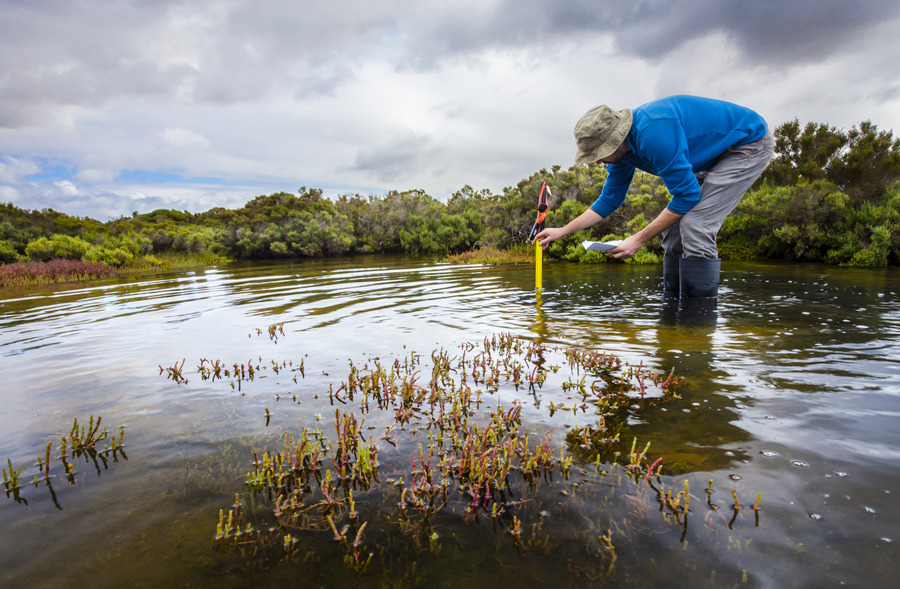
It should be remembered that, these ecosystems represent an important habitat for both flora and fauna species, and they play an important role in sequestrating carbon moderating local and regional climate, flood control, purifying water and maintaining water bodies. According to the analysis most districts which have lost most of its wetlands include Manafwa, Mbale, and Ntoroko among others.
According to the report that was given on 20th May 2021, it stated that Uganda would receive USD $4.3million fund from Global Environment Facility (GEF) under climate change adoption project which would help promote climate change and reduce pressure on nature and biodiversity.
We must therefore put it in mind that,there is an urgent need to put wetlands and water-related ecosystem services at the heart of water management in order to meet the social, economic and environmental needs of a global population predicted to reach Nine Billion by 2050.
We should know that most wetlands become vulnerable due to factors like intensive agricultural production, unsustainable water extraction for domestic and industrial use, urbanization, infrastructure development and pollution.
Therefore the government must recognize the vital economic and environmental role that wetlands play in supporting human life and biodiversity by putting up programs that help to protect and restore wetlands, sensitize the communities to report any illegal actions such as unauthorized wetland fill.
More so, members of the government and parliament should designate wetlands as protected areas, restore degraded wetlands, partner with local governments and civil society to create awareness about their importance and encourage both citizens and investors to adopt cross sectorial polices in education, housing, agriculture and industry that protect wetlands and promote green economic growth.
Nuwamanya Mercy
nuwamanyamercy94@gmail.com
Similar Posts by The Mt Kenya Times:
- Mt Kenya Times ePAPER October 26, 2026
- Sakaja challenges Kamukunji police over Eastleigh suspect bail
- Muturi demands binding livestreaming rules for 2027 polls to prevent repeat of 2022 chaos
- NTSA calls for road safety to be declared a national disaster after 24 die in Mtito Andei crash
- Ruku turns on Waiguru over deputy president ambitions: ‘That seat is not being contested for’
About the Author