Double Standards in Diplomacy: How Western Powers Skew the Israel-Palestine Conflict
Israel-Palestine Conflict


By Silas Mwaudasheni Nande
Worth Noting:
- South Africa’s decision to take Israel to the International Criminal Court (ICC) is rooted in its longstanding opposition to Israel’s treatment of Palestinians, which it views as similar to the apartheid regime it once endured. The South African government, led by the African National Congress (ANC), has consistently criticized Israel’s policies in the occupied Palestinian territories, describing them as apartheid-like, citing human rights abuses, illegal settlements, and the blockade of Gaza.
- In 2023, South Africa intensified its diplomatic efforts by formally supporting the call for an ICC investigation into alleged war crimes and crimes against humanity committed by Israel in the occupied territories. This move aligns with South Africa’s broader foreign policy of advocating for global justice and human rights, especially in solidarity with oppressed groups. South Africa’s approach has been influenced by its own history and its vocal support for the Palestinian cause in international forums like the United Nations.
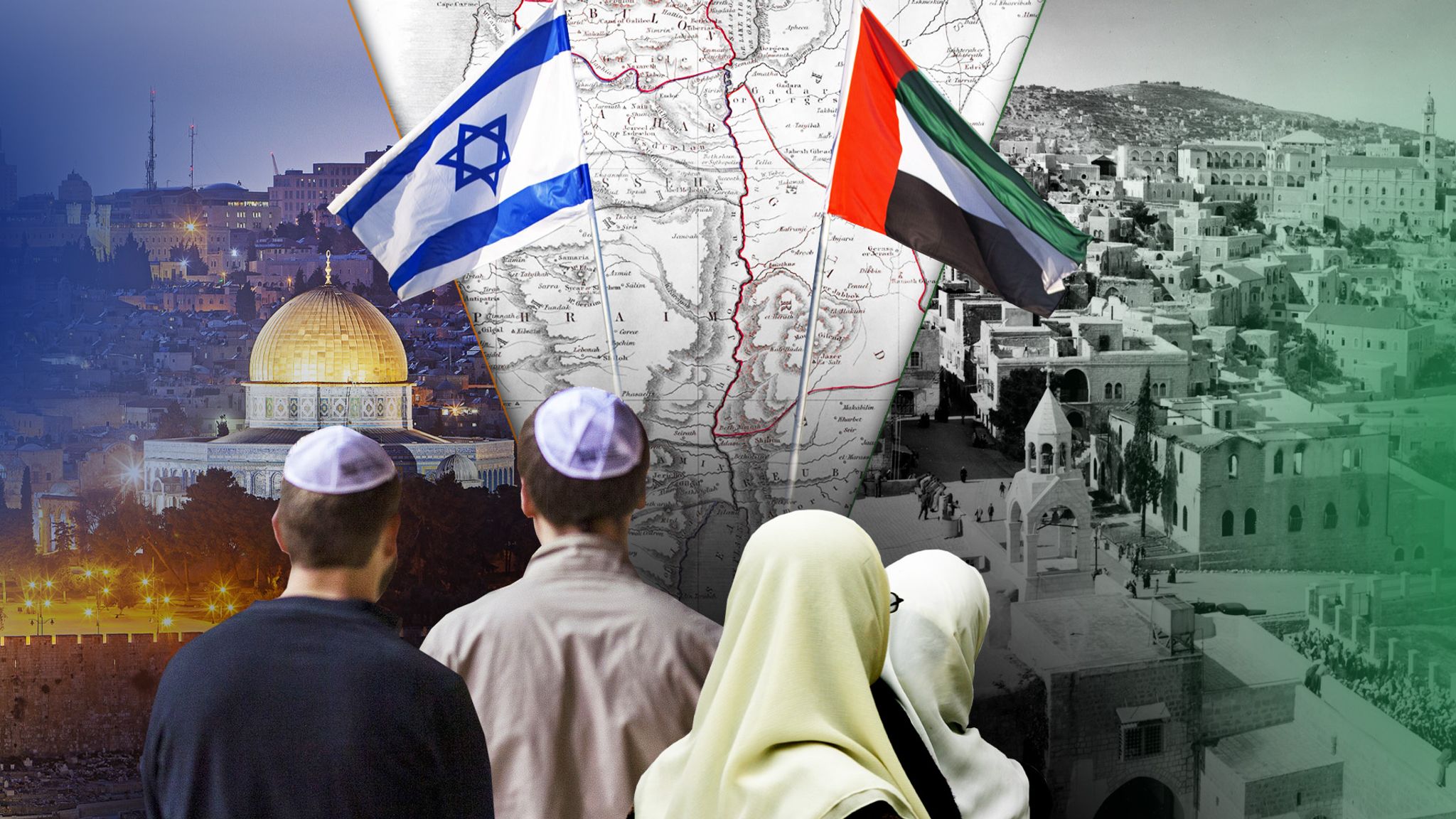
The Israel-Palestine conflict is a long-standing political and territorial dispute rooted in competing nationalist claims to the same land. Its origins trace back to the late 19th and early 20th centuries when Jewish and Arab nationalist movements emerged in response to Ottoman and British rule in the region.
Following World War I, Britain took control of Palestine under a League of Nations mandate. The Balfour Declaration of 1917, which expressed British support for a “national home for the Jewish people” in Palestine, intensified Jewish immigration, leading to tensions with the Arab population.
After World War II, and in the aftermath of the Holocaust, international support grew for a Jewish state. In 1947, the United Nations proposed partitioning Palestine into separate Jewish and Arab states, with Jerusalem as an international city. This plan was accepted by Jewish leaders but rejected by Arab leaders. In 1948, Israel declared its independence, which led to the first Arab-Israeli war as neighboring Arab states invaded the newly formed state. Israel emerged victorious, but hundreds of thousands of Palestinians were displaced, creating a refugee crisis that remains unresolved.
Subsequent wars, particularly in 1967 (the Six-Day War), resulted in Israel occupying the West Bank, Gaza Strip, and East Jerusalem. These territories remain at the heart of the conflict, with Palestinians seeking an independent state and Israel maintaining control, citing security concerns and historical claims of the ancestal land.
Efforts to resolve the conflict, including the Oslo Accords in the 1990s, have failed to produce lasting peace. The situation remains volatile, with periodic escalations in violence and deep political, religious, and cultural divides between Israelis and Palestinians.
South Africa’s decision to take Israel to the International Criminal Court (ICC) is rooted in its longstanding opposition to Israel’s treatment of Palestinians, which it views as similar to the apartheid regime it once endured. The South African government, led by the African National Congress (ANC), has consistently criticized Israel’s policies in the occupied Palestinian territories, describing them as apartheid-like, citing human rights abuses, illegal settlements, and the blockade of Gaza.
In 2023, South Africa intensified its diplomatic efforts by formally supporting the call for an ICC investigation into alleged war crimes and crimes against humanity committed by Israel in the occupied territories. This move aligns with South Africa’s broader foreign policy of advocating for global justice and human rights, especially in solidarity with oppressed groups. South Africa’s approach has been influenced by its own history and its vocal support for the Palestinian cause in international forums like the United Nations.
The decision to take Israel to the ICC is part of a broader strategy by South Africa and other countries to pursue accountability for what they see as violations of international law, despite opposition from Israel and its allies. This move reflects growing international pressure on Israel regarding its actions in the West Bank, East Jerusalem, and Gaza.
The Double Standards of the West in the Conflict
The involvement of countries like the USA, Britain, and others in the Israel-Palestine conflict has been a subject of debate for decades. Their actions, often characterized by diplomacy, military aid, and policy interventions, have shaped the conflict in many ways, both positive and negative. Here’s a critical analysis of their roles, highlighting both their good deeds and wrongdoing and the good they have attempted to do.
The Good Deeds of the West
Despite the complexities of the Israel-Palestine conflict, the West has played some constructive roles in efforts to resolve the dispute. Western nations, particularly the United States and European countries, have facilitated key diplomatic initiatives aimed at peace, such as the Camp David Accords in 1978 and the Oslo Accords in the 1990s, which brought Israel and the Palestine Liberation Organization (PLO) into dialogue. The West has also provided significant humanitarian aid to Palestinian territories and supported international organizations like the United Nations in addressing issues such as refugee assistance and development. While Western policies have often been criticized, these contributions have at times promoted dialogue, economic support, and efforts towards a peaceful resolution. Here are some notable good deeds the West has done towards the conflict:
- Diplomatic Efforts for Peace
Despite the criticisms, countries like the USA and Britain have also made genuine attempts to mediate peace. The USA has brokered numerous peace talks, including the Camp David Accords, the Oslo Accords, and other initiatives aimed at bringing both sides to the negotiating table. Even though these efforts have not resulted in lasting peace, they have at times reduced violence and opened paths to dialogue. For instance, the Oslo Accords in the 1990s led to the creation of the Palestinian Authority, which remains a key actor in Palestinian governance today.
- Humanitarian Aid
The USA and European countries have been major donors of humanitarian aid to Palestinians. The USA, through organizations like USAID, has provided billions in assistance to support health, education, and infrastructure projects in the West Bank and Gaza. Similarly, the European Union and Britain have funded numerous initiatives aimed at improving the quality of life for Palestinians, particularly in areas impacted by the conflict. While this aid cannot compensate for the loss of life, political and military actions that perpetuate the conflict, it has alleviated some of the suffering experienced by civilians.
- Support for a Two-State Solution
Both the USA and Britain have consistently voiced support for a two-state solution, which remains the most widely accepted framework for resolving the conflict. While their actions have often fallen short of achieving this goal, the advocacy for a negotiated solution, one that envisions a secure Israel alongside a sovereign Palestinian state, is an important principle. The international community continues to uphold the two-state solution as the basis for peace.
- Condemnation of Extremism
The USA and Britain have condemned acts of terrorism and violence from both sides, including attacks by groups like Hamas. Their efforts to curb extremist violence—whether through diplomacy, sanctions, or intelligence sharing—have played a role in preventing escalation in certain instances. This is particularly important in the context of the Israeli-Palestinian conflict, where acts of terrorism can derail peace efforts and worsen the suffering of civilians.
- Advocacy for Human Rights (At Times)
While inconsistent, both the USA and Britain have, at times, taken strong stances in defense of human rights in the conflict. For example, the USA has occasionally criticized Israeli settlement expansion, and some administrations have withheld certain military aid packages to protest specific actions. Similarly, European countries have been more vocal in condemning Israeli actions that violate international law, like the construction of settlements in the West Bank.
Sins of the West
- Unbalanced Support for Israel
The USA has been Israel’s largest supporter, providing billions of dollars in military aid and diplomatic backing. This has contributed to the power imbalance between Israel and Palestine. The USA’s veto power at the United Nations Security Council has been used repeatedly to block resolutions condemning Israeli actions, which has undermined international efforts to hold Israel accountable for actions such as settlement expansion and alleged human rights violations in Palestinian territories. Britain, while less direct, has also supported Israel at key moments.
This one-sided support has led to the perception of bias, further alienating Palestinians and fostering resentment across the Middle East. It also fuels anti-American sentiment in the Arab world and beyond, complicating efforts for a peace process that requires equal respect for the rights of both Israelis and Palestinians.
- Failure to Promote an Effective Peace Process
Various countries, including the USA and Britain, have promoted peace processes, like the Oslo Accords and the two-state solution. However, these efforts have largely failed due to inconsistent follow-up, weak enforcement mechanisms, and failure to address core issues like Israeli settlements and the status of Jerusalem. Critics argue that the USA’s inability or unwillingness to pressure Israel to halt settlement building, which is considered illegal under international law, has made a viable two-state solution increasingly unlikely.
- Militarization of the Conflict
Western powers, particularly the USA, have contributed to the militarization of the conflict by providing advanced weaponry to Israel. The primary aim of weapon supply is to give right to to Israeli to kill Palestinians. The military imbalance has often been blamed for enabling Israeli offensives that have led to civilian casualties in Gaza and other Palestinian territories. These arms sales are seen as further inflaming the situation, as Palestinians lack equivalent military resources, exacerbating the humanitarian crisis in areas like Gaza.
On the Palestinian side, some groups like Hamas receive support from countries like Iran, which the USA has sought to counter through economic and military pressure. This back-and-forth has contributed to the entrenchment of violence.
- Ignoring Palestinian Rights
Over the years, the USA and Britain have been criticized for not adequately addressing the plight of Palestinians, particularly in terms of human rights violations. The blockade of Gaza, the expansion of Israeli settlements, and the forced evictions of Palestinians from their homes in East Jerusalem have not been adequately challenged by these Western powers. Their focus on Israel’s security, while legitimate, often overlooks the rights and suffering of Palestinians under occupation.
- Destabilization in the Middle East
The broader policies of countries like the USA in the Middle East, such as the invasions of Iraq and Afghanistan, the ongoing conflict with Iran, and the arming of regional allies like Saudi Arabia, have destabilized the region. This instability has indirectly fueled the Israel-Palestine conflict, as many groups across the region use the Palestinian cause to rally support and justify their actions.
Critical Questions that Need Answers
The Israel-Palestine conflict remains one of the longest and most complex disputes in modern history, with deep historical, political, and territorial roots. Over the decades, the involvement of global powers, especially from the West, and international bodies like the United Nations, has shaped the dynamics of this ongoing struggle. While efforts have been made to mediate peace and address humanitarian concerns, lasting solutions have remained elusive. The role of Western nations and the UN continues to be a topic of intense scrutiny, as questions arise regarding their impartiality, effectiveness, and long-term strategies. To better understand this multifaceted conflict, several critical questions must be addressed—questions that delve into the effectiveness of international interventions, the accountability for human rights violations, and the broader prospects for peace in the region. These questions are essential for charting a course toward a more just and sustainable resolution for both Israelis and Palestinians and the world needs answers to these questions as they remain unanswered.
Here are five critical questions regarding the Israel-Palestine conflict and the role of the West and the UN as food thoughts and center for debate:
- What concrete measures can the UN take to ensure lasting peace and address the humanitarian crisis in both Israel and Palestine without favoring either side?
- How have Western powers, particularly the US and EU, influenced the balance of power between Israel and Palestine, and to what extent has this affected the prospects for a two-state solution?
- What accountability mechanisms are in place at the international level to address potential human rights violations and war crimes committed by both sides in the conflict?
- Why has the UN Security Council been unable to pass resolutions that could decisively de-escalate the conflict, and what role does the veto power of permanent members play in this?
- How can the UN and the international community mediate a solution that takes into account the historical grievances and aspirations of both Israelis and Palestinians without perpetuating cycles of violence?
Conclusion
The roles of countries like the USA and Britain in the Israel-Palestine conflict are complex and often contradictory. On the one hand, their strong support for Israel, unbalanced peace efforts, and contribution to the militarization of the conflict have deepened the divisions between Israelis and Palestinians. On the other hand, their diplomatic initiatives, humanitarian aid, and occasional advocacy for human rights have offered glimmers of hope for a peaceful resolution. However, unless these powers address the core issues, such as the Israeli occupation, settlement building, and Palestinian rights, more effectively and impartially, their involvement is likely to continue perpetuating the conflict rather than resolving it.
Similar Posts by The Mt Kenya Times:
- Mt Kenya Times ePAPER September 19-20, 2026
- Kenya joins US and UK to put citizens on the terrorism frontline
- Kenya’s parliament races to tame the AI frontier
- Kalonzo calls Ruto to order over Uhuru attacks
- Gachagua takes his 2027 campaign to America
About the Author