DPP’s warning against political goonism should jolt Kenya into action ahead of 2027
 The Mt Kenya Times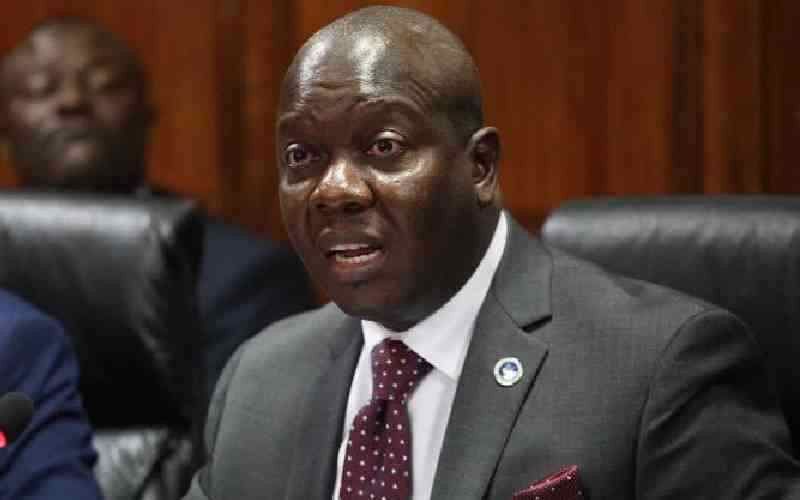
Director of Public Prosecutions Renson Ingonga
As election temperatures rise, Renson Ingonga’s stern message on violence and impunity deserves more than applause — it demands follow-through
By Hadassah Karangu
With the 2027 General Election drawing closer, Kenya is already feeling the heat. Campaign rhetoric is sharpening, public rallies are growing more charged, and the spectre of politically sponsored violence is once again creeping into the national conversation. It is against this backdrop that Director of Public Prosecutions Renson Ingonga issued a stern warning to politicians and individuals accused of fuelling tension and goonism, declaring that anyone found breaking the law will face its full force.
Speaking at the 38th National Council on the Administration of Justice Conference in Mombasa, Ingonga expressed alarm at the growing use of inflammatory statements and acts of violence threatening national peace. His message was straightforward but weighty: no political ambition should come before the safety of Kenyans or the rule of law.
Kenya’s political history has demonstrated that election periods can either unite the country through democratic competition or fracture it through fear, intimidation and bloodshed. Too often, ordinary citizens bear the cost of clashes they neither planned nor desired. Businesses are destroyed, livelihoods disrupted, families displaced and communities left carrying emotional scars long after the campaigns have ended.
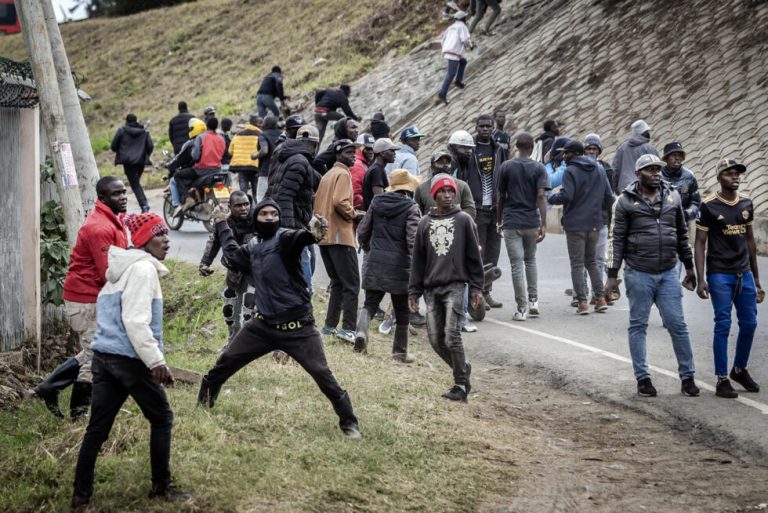
Among the most troubling trends in recent years has been the rise of organised groups commonly known as goons — hired hands accused of breaking up peaceful gatherings, intimidating opponents, destroying property and spreading fear. Whether politically motivated or simply opportunistic, their actions corrode democracy and strip citizens of their constitutional right to participate freely in political life.
The DPP’s warning therefore arrives at a pivotal moment. It signals that the justice system is watching and that political status cannot become a shield against accountability. The law must apply equally to all, regardless of affiliation, influence or position.
But warnings alone will not be enough. Kenyans have heard strong statements before, yet many perpetrators of election-related violence have slipped through the net. That pattern has bred a culture of impunity in which some believe they can incite chaos without consequence. Breaking that cycle demands more than speeches. It requires swift investigations, credible prosecutions and fair trials that prove justice is neither selective nor delayed.
Political leaders, too, carry a heavy responsibility. Words have weight. A single statement at a rally can inspire calm or ignite conflict. Leadership is measured not only by the crowds one draws but by the capacity for restraint, respect for opponents and willingness to place the nation above personal ambition.
Young Kenyans deserve particular attention in this conversation. Many are energetic, ambitious and eager to shape the country’s future. Sadly, some are manipulated into becoming instruments of violence — recruited for small payments or hollow promises, then abandoned after polling day to face arrest, injury or worse, while those who mobilised them carry on with their political careers.
Every young person drawn into that world must ask a hard question: is any politician worth your freedom, your future or your life? Democracy is strongest when citizens vote, debate and engage peacefully — not when they are turned into tools of intimidation.
The road to 2027 should be an opportunity for Kenyans to weigh ideas, policies and leadership — not to witness spectacles of violence and hatred. Political competition is healthy in any democracy, but it must remain peaceful, respectful and anchored in the Constitution.
Ingonga’s remarks should not be read as a threat to political participation. They should be understood as a commitment to protecting the democratic space where every Kenyan can speak without fear. Peaceful elections do not happen by accident. They are built through responsible leadership, impartial law enforcement and a citizenry that refuses to tolerate violence in the name of politics.
As the 2027 contest takes shape, every institution has a part to play. Politicians must choose measured language over incitement. Law enforcement must act without bias. The judiciary must uphold justice without fear or favour. And citizens must reject leaders who trade in division rather than unity.
Kenya has paid dearly for political violence before. The country cannot afford another such chapter. If the DPP’s warning is matched with decisive action, it could mark the beginning of a political culture in which elections are decided at the ballot box — not through fear.
The future of Kenya’s democracy will not hinge solely on who wins in 2027. It will hinge on whether the country can protect peace, uphold justice and prove, convincingly, that no one stands above the law.
Similar Posts by The Mt Kenya Times:
- Mt Kenya Times ePAPER September 15, 2026
- Court ruling clips Kenyatta’s wings at the worst possible moment
- Ruto takes the sponsor war to Nyanza — and finds a warmer welcome than his opponents expected
- Kisumu water project lays foundation for dignified urban growth
- The months ahead offer Kenya a golden opportunity to grow tourism
About the Author