The call for change is knocking: Kimoning must rise to the occasion
 The Mt Kenya Times
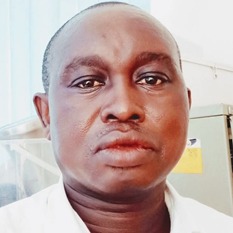
By Mr. Fredrick Kipchumba Chelimo PWD
Chairperson, Supervisory Committee – Kimoning Farmers Cooperative Society Ltd.
Email: fkipchelimo@yahoo,com
As Kimoning Farmers’ Cooperative Society holds its Annual General Meeting, members are meeting at a time when the world around them is changing faster than ever before. The challenges facing farmers, families and rural communities are no longer the same as they were a few years ago. At the same time, new opportunities are emerging—opportunities that could transform our communities if we are prepared to recognise them, organise ourselves and act decisively.
This AGM, therefore, should be more than a meeting to approve accounts, receive reports or elect leaders. It should be a moment of reflection and a turning point. It should challenge every member to ask: Where are we going as a cooperative, and are we prepared for the future that is already knocking at our door?
The cooperative movement itself is changing. Legal and regulatory reforms are demanding stronger governance, greater accountability, better records and more professional management. Government and development partners are increasingly looking for credible local institutions through which investments and development programmes can be delivered. This presents an enormous opportunity for cooperatives such as Kimoning—but only those that are well organised, transparent, accountable and capable of demonstrating results will be ready to benefit. The message is simple: the era when a cooperative could survive by doing business as usual is coming to an end.
Kimoning cannot afford to be an island. Across our communities, programmes such as FLoCCA, NAVCDP and the emerging Integrated Natural Resource Management Programme are creating new possibilities for investment, agricultural development, climate resilience and improved livelihoods. These initiatives demonstrate that resources are available and that government and development partners are willing to work with organised communities. But there is a critical question we must ask ourselves: Are our members and institutions adequately prepared to take advantage of these opportunities?
Too often, communities have received projects without building the institutional capacity necessary to sustain them. We celebrate the arrival of funding, hold meetings, launch activities and produce reports, but when the project ends, the structures created begin to weaken. The real challenge, therefore, is not simply attracting projects. It is building institutions that can continue delivering results long after external funding has ended. This is where Kimoning must think differently.
Our region is blessed with resources that many communities can only dream of. Several dams and water reservoirs hold enormous quantities of water. Yet farmers continue to struggle with unreliable rainfall, declining productivity and rising production costs. The irony is painful: we can see water in our reservoirs while our farms remain vulnerable to drought.
Climate change is making this challenge even more urgent. The traditional agricultural calendar is becoming less predictable. Rainfall patterns are changing, dry spells are becoming more disruptive and farmers are increasingly exposed to crop failures, livestock losses and declining incomes.
The solution, however, is not simply to complain about climate change. We must organise ourselves to respond to it. Water must be converted into productive opportunity. We must think about irrigation, fodder production, livestock development, food security and diversified agricultural enterprises. We must ask how our dams can support farmers throughout the year, how water can increase milk production, how increased production can strengthen the cooperative and how the cooperative can create value beyond simply collecting and marketing raw products. This requires leadership with vision.
A modern cooperative cannot operate only as a milk collection centre. It must become an economic institution that creates opportunities for its members. It must explore value addition, strengthen its Agrovet services, improve access to inputs and extension, embrace ICT and digital record-keeping, and consider diversification into enterprises such as avocado, coffee and maize. The future belongs to institutions that are willing to innovate.
But innovation must be accompanied by good governance. As the cooperative environment becomes more regulated and development partners become more demanding, Kimoning must strengthen its management systems. Strategic plans, annual work plans, budgets, procurement procedures, financial controls, risk management, monitoring and evaluation and transparent reporting are no longer optional extras. They are essential tools for building trust and attracting investment. Good governance is not about satisfying regulators alone. It is about protecting the interests of members and meeting competitive donor conditions
Members have a right to know how their cooperative is performing. They deserve accurate information about income, expenditure, milk volumes, transport costs, assets and investments. They need to understand the decisions being made on their behalf. Equally, members must accept their responsibility to participate actively, invest in their cooperative and hold leadership accountable. An informed membership is the foundation of a strong cooperative.
This is why member education must become a priority. Farmers must understand the opportunities emerging around them and the responsibilities that come with them. They must be equipped with knowledge about climate-smart agriculture, financial management, markets, value addition, digital technologies and collective investment.
The cooperative must also deliberately create space for young people, women and persons with disabilities to participate in economic opportunities. No community can achieve sustainable development by leaving sections of its population behind. The Kimoning AGM therefore presents an important opportunity to make a bold decision: to embrace change before change forces itself upon us.
We must move from waiting for government and donors to bring solutions to building partnerships with them. We must move from being passive beneficiaries of projects to becoming active participants and solution providers. We must move from short-term interventions to long-term sustainability. The resources are available. The farmers are here. The cooperative is here. The opportunities are emerging. What is required now is the vision, leadership, unity and determination to bring these pieces together.
The real measure of Kimoning Farmers Cooperative Society should not only be the litres of milk collected or the money recorded in its books. It should be the improvement it brings to the lives of its members—the farmer who can educate a child, the family that can afford nutritious food, the young person who finds meaningful employment, the household that can withstand a prolonged dry season and the community that no longer waits helplessly for the next donor project. The call for change is knocking, and it is knocking faster.
This AGM should be the moment when Kimoning opens the door. Let us embrace stronger governance. Let us invest in our members. Let us use our natural resources wisely. Let us prepare for climate change. Let us build partnerships. Let us diversify our economy. Let us turn available water into productive opportunity and available resources into sustainable wealth.
Above all, let us build a cooperative that does not merely survive from year to year, but one that leads, innovates and transforms.
The opportunity is before us. The challenges are real. The time for bold and determined action is now.
Similar Posts by The Mt Kenya Times:
- Mt Kenya Times ePAPER September 15, 2026
- Court ruling clips Kenyatta’s wings at the worst possible moment
- Ruto takes the sponsor war to Nyanza — and finds a warmer welcome than his opponents expected
- Kisumu water project lays foundation for dignified urban growth
- The months ahead offer Kenya a golden opportunity to grow tourism
About the Author