
Dropping A Razor Blade For A Hoe: The Story Of A Reformed FGM Practitioner
 The Mt Kenya Times
Female Genital Mutilation (FGM)
By Elizabeth Angira
Worth Noting:
- Besides the practice being her means of earning a living, she was also comforted by the now derided Abagusii tradition that viewed it as a sign of respect for those who underwent it.
- “It was a key rite of passage for the girlchild transitioning from one stage egesagane (uncircumcised girl) to enyaroka (a young woman)” she explains,”Enyaroka was highly respected and with a very good chance of being married.”
- She notes that it was also practised to reduce sexual activity of women as a way of safeguarding morality in the community.
- She further says that she used to initiate up to 50 girls per year, making it a good source of income.
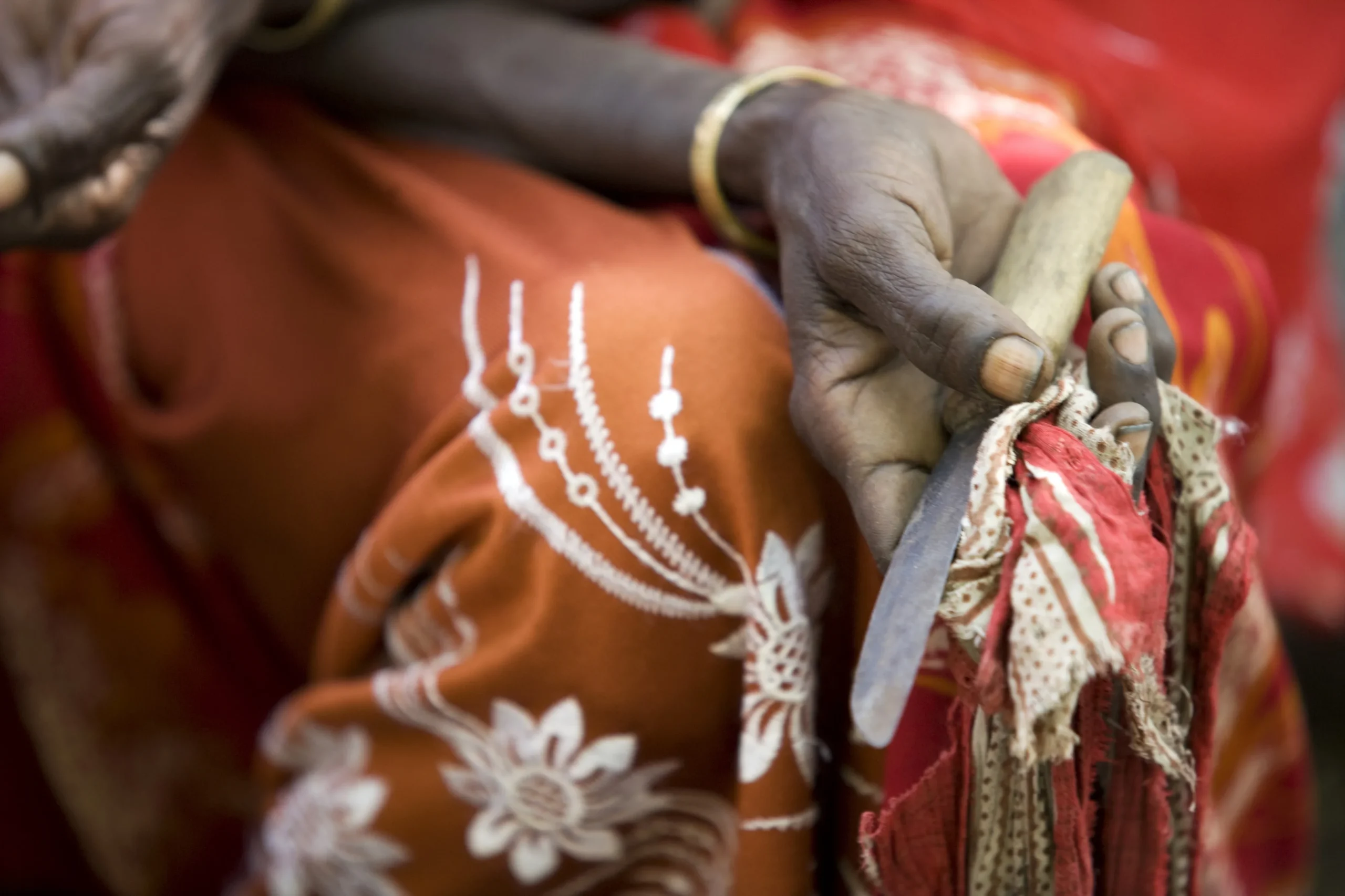
Female Genital Mutilation (FGM) is outlawed in Kenya and many other countries of the world. Its negative effects on the lives of victims have been well documented. But still many communities globally, including some in Kenya, still practice it.
A 2020 report by the United Nations Children Educational Fund (UNICEF) says Kenya’s progress towards eradication of FGM is impressive compared to other nations in the Eastern and Southern Africa region but more still needs to be done.
The report says more than 4 million girls and women in Kenya have undergone FGM.
According to a survey conducted by the Kenya National Bureau of Statistics (KNBS), 3 out of 20 women aged 15–49 in Kenya have undergone the cut.
The survey also revealed that the majority of women who have experienced this practice, accounting for 9 out of 20, fall within the age group of 10 to 14.
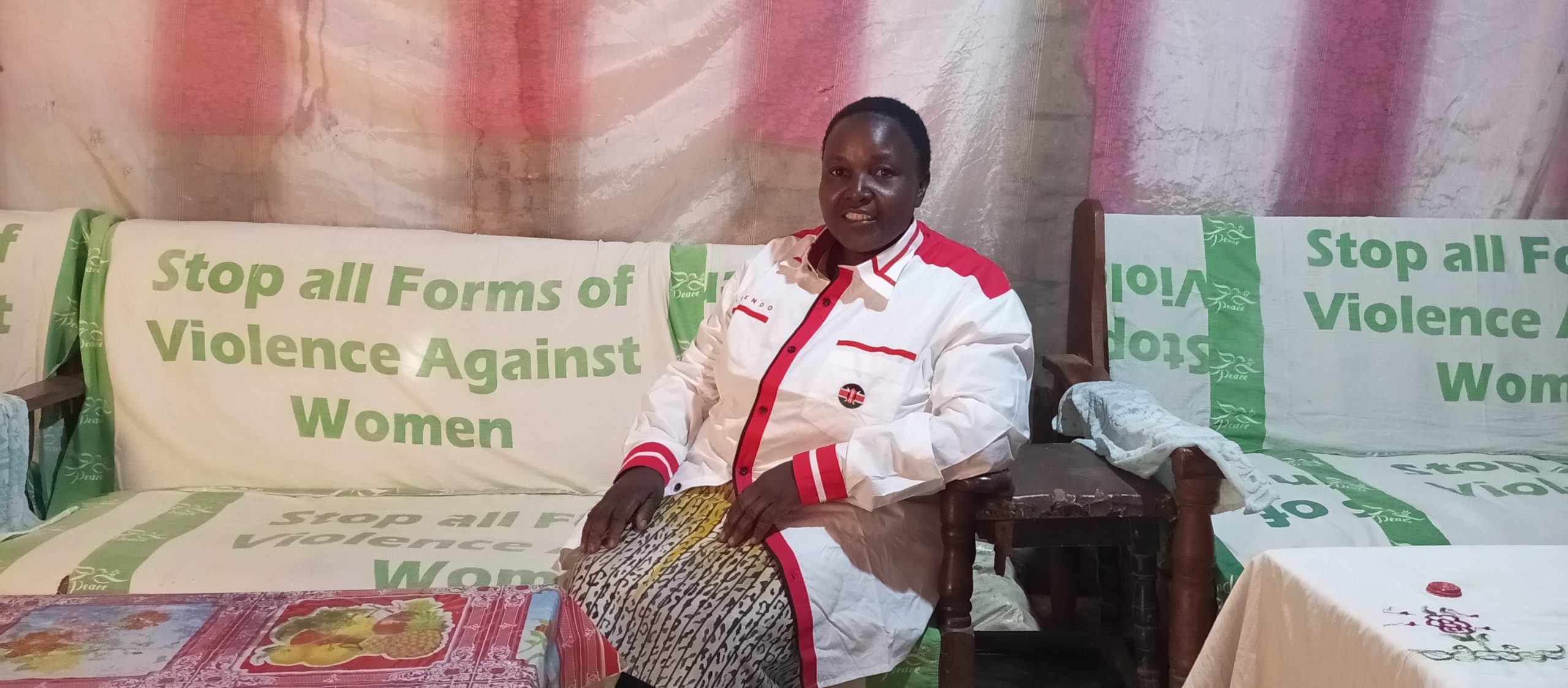
Ms Joyce Kemunto, a resident of Nyatieko Ward in Kisii County and a reformed FGM practitioner, is remorseful.
“I regret for what I used to do now that I know its negative impact on the lives of the hundreds of young girls I dealt with,” says the 60-year old.
She says she was introduced into the practice by relatives who were FGM practitioners.
“They enticed me into it by telling me it was a lucrative source of income,” she ruefully confesses.
True to their word, the practice slowly became her main source of income, the practice got entrenched into her.

Besides the practice being her means of earning a living, she was also comforted by the now derided Abagusii tradition that viewed it as a sign of respect for those who underwent it.
“It was a key rite of passage for the girlchild transitioning from one stage egesagane (uncircumcised girl) to enyaroka (a young woman)” she explains,”Enyaroka was highly respected and with a very good chance of being married.”
She notes that it was also practised to reduce sexual activity of women as a way of safeguarding morality in the community.
She further says that she used to initiate up to 50 girls per year, making it a good source of income.
Ms Kemunto says that by the time the government banned the practice, she had initiated over 5,000 initiates.
She says the cost of initiation was from Ksh100 and a bag of wimbi per an initiate.

“As the cost of living increased over the years, the cost of initiation also went up from Kshs 100 to Kshs 1,000 per an initiate,” she says.
Ms Kemunto says the government, non-governmental organisations (NGOs), churches and human activists have played a big role in sensitising public on the effects of FGM.
This hit hard her hitherto good source of livelihood, making her shift to farming.
“But do not get me wrong. It was not easy for me to abandon the practice, which was a not-so taxing activity of making money into the manual farm work.
“I had to slowly accept my new daily occupation after attending several seminars on the negative effects of FGM, “she says.
Ms Kemunto, now a champion fighting the practice, says it has side effects like excessive bleeding, difficulties during giving birth and even deaths besides denying children their rights since the girls are forced to undergo it.
She pleads with those secretly doing it to stop and venture into other better and legal income -generating ventures.
Ms Kemunto challenges the government to hold more seminars to sensitise communities engaged in it and support FGM practitioners with funding to set up different business activities that can generate income.

Mr Samwel Bosire, the Secretary General of the Abagusii Council of Elders, admits that FGM (ogosaara abana abanyaroka) was once an important rite of passage/initiation, which was highly valued by the community.
He, however, says that the Council, as custodians of the culture and traditions of the community, the practice has neither a role to play or significance in th current generation.
He says back then, initiation provided a platform on which the young girls were educated on how to grow morally, how to behave, protect themselves from early pregnancies and respect the community.
“This way, they were prepared for what lay ahead of them mainly in their marriage and adult lives,” he says.
He says this was done to girls aged between 12 and 14 years (adolescence stage).
Mr Bosire admits that at first they were adamant on the significance of the practice.
“We had to change our minds after being sensitised on its side effects and government’s crackdown on its practitioners we had to follow the directives,” he says.
Since then, they have been championing its total eradication by educating the community on its side effects.

Ms Pacificah Nyatuka, 69 and a parent who initiated her now grown up two daughters, says she grew up erroneously knowing that FGM was a must since she had to respect and observe the comnunity’s traditionand customs.
Ms Nyatuka equally regrets for having allowed her girls to undergo the vice.
“Now I cannot advise people to practice it,” she says, “it denies young girls their rights, besides its side effects.”
She even terms it misuse of resources.
Ms.Mary Kemunto, a mother, has not circumcised her daughters.
She says this does neither demean her daughters or stop them from being part of the Abagusii Community.
“Those cultures have been overtaken by time, we are now informed and not all cultures which will be followed, “she says.
Ms. Lucy Nyanchama, not her really name, confesses she is circumcised.
“It has affected me psychologically and I feel my rights were infringed on,” she bitterly says.
She calls on the community not to subject young girls to such bad cultural beliefs which are outdated.
 Mr Vincent Gekone, Secretary General Gusii Governance Watch, says FGM is slowly but steadily declining in “status” in Kenya but its total eradication still has a lot of challenges overcome.
He says most communities are still too conservative with strong cultural beliefs thereby entrenching FGM in their way of life.
“Had it not for the strict measures from the authorities and stiff penalties meted by courts, the practice could not have reduced as it has today,” he says.
According to him, there are a number of communities practising FGM in Kenya, among them, the Kisii, Maasai, Pokot, Somali and Kalejin.
He says the practice has gone underground after the government’s tough stance against it.
The figure in among the Kisii community has significantly reduced since the practice was banned. It is in the ratio of around 2: 10.
Kenya has taken drastic measures against FGM through an Act of Parliament, which criminalised it.
The Government officers from the very top to the level of village elders have been sensitized on the law and some trained on how to handle the situation in case of such acts in their jurisdiction.
The civil rights have gone up with the promulgation of the 2010 Constitution to ensure such outdated cultural beliefs are not practiced.
Way forward

Centre for Community Mobilization and Empowerment (CECOME) Communication Coordinator Mr Walter Mounde says FGM practiced in the Gusii regionis done secretly without ceremonies even by medical practitioners.
Mr Mounde says that as an NGO, they are educating and sensitising the public on the effects of FGM.
According to him, they work with men, women, youth in and out of school and children between 7 and 12 years through a programme of Alternative Rites of Passage where they are taught life skills and the Abagusii Culture and it is done thrice a year in the months of April, August and December.
He challenges national and county governments to set aside FGM Responsive Budget to fight against the vice.
Mr Gekone says that measures should be put in place to deal with law enforcers found compromised by the the suspects.
“Sometimes the practice is carried out with the full knowledge of law enforcement agencies through corruption,” he says.
He says stiff penalties should be meted out on rogue officer.
Monitoring teams should be constituted to conduct surveillance on both FGM suspects and the rogue law enforcers.
Mr Bosire calls on the government to look for alternative ways of supplementing families in sensitising young girls on how to grow morally.
“In the past early pregnancies and marriages were low compared to nowadays where there is high rate of early pregnancy and marriage, “he says.
Challenges
Mr Mounde maintains that much has not been done in the Gusii region in the fight against FGM.
“Our leaders are not dedicated in speaking out against FGM. They only speak during certain events and campaigns only, “he saya.
He says this is not enough because funding is a problem.
To ensure the campaigns against FGM are efficient and effective, there must be enough financial allocation from the government and any other sources to the civil rights.
“For this practice to end, though not up to 100 per cent, a lot of civic education is needed for the public and more training to the official law enforcers,” he says.
Kisii County Government

The Kisii County Executive Committee Member (CECM) Youth, Culture and Sports, Erick Miyienda says they have held a sensitisation campaign to help end harmful traditions including FGM.
In Africa, numerous campaigns have been put in motion to counter cultural practices such as FGM and early marriages.
A number of governments, NGOs and other institutions have also adopted various intervention methods to tackle FGM.
One of the strategies that have been employed in Kenya, for instance, is the strengthening of policy and legal frameworks.
He says in Kisii County the figures of FGM have drastically gone down due to the efforts the county government has made in sensitising the public.
“We have seen improved change as a county government,” he says.
Miyienda said that they have partnered with UNICEF, Adventist Development Relief Agency Kenya (ADRA) and CECOME in eradicating it.
He says they have not set aside any budget for the fight against FGM, but they are getting support from UNICEF, ADRA Kenya, and CECOME.
LAWS
Mr Evans Machera, a lawyer, says that laws are not enough but there is need for the government to enforce the available laws.
According to him, more awareness activities are needed including in school.
He calls for more seminars in the communities to involve men, women and young girls on the effects and disadvantages of FGM.
Church programmes on family life, health lifestyle and sex be promoted since many people are religious and can follow church programmes.
Steps taken
 According to the 2022 Kenya Demographic Health Survey (KDHS), the prevalence of this harmful practice has decreased significantly, plummeting from 38 percent in 1998 to just 15 percent last year.
Mr Machera says laws have been against FGM have been enacted. For example, the Prohibition of Female Genital Mutilation Act No.32 of 2011 , which prohibits FGM and provides penalties on the offenders.
The Constitution regulates all laws and in case any other law promotes FGM, it annuls it by pronouncing it unconstitutional.
Vigilance teams such as Nyumba Kumi can monitor activities of FGM in the community and report to the authorities.
What else needs to be done?
UNICEF Kenya has intensified its efforts to raise awareness and combat FGM. They are working closely with the Ministry of Health (MoH) to sensitize nurses, clinical officers, and doctors about the dangers associated with FGM.
UNICEF has set a target to end FGM by 2030, aligning with the global goal established by world leaders, and Kenya is actively participating in this initiative through the Sustainable Development Goals (SDGs).
Involve men to say no to daughters who may want to undergo FGM.
Also women should be made to understand the side effects of FGM and medics who are currently offering FGM services to have their licenses cancelled.
Similar Posts by The Mt Kenya Times:
- Mt Kenya Times ePAPER September 24, 2026
- The kingmaker’s last move: Uhuru’s 2027 gambit
- Kalonzo warns IEBC over 2027 poll
- Kenya leads Africa’s clean cooking push with $600M investment drive
- Kenya takes its case to the world: Ruto at the UN
About the Author


