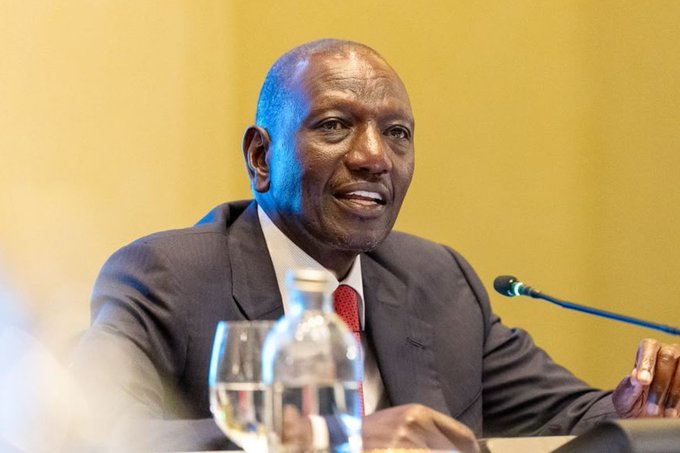
Kirinyaga County has partnered with the Japanese government to assist small-scale horticulture farmers in adopting modern farming technologies to increase their returns.

Kirinyaga County has partnered with the Japanese government to assist small-scale horticulture farmers in adopting modern farming technologies to increase their returns. The programme, implemented through the Japanese International Corporation Agency (JICA) at a cost of Ksh 13 billion, will train extension workers to empower farmers in terms of quality production and market accessibility. The Japanese ambassador to Kenya, Okaniwa Ken, revealed that the Japanese government will support experimental projects in the county, especially in areas with production capacity to double the income for the farmers. The ambassador urged the county government to include its programmes in the county integrated development plan (CIDP) for effective promotion and implementation of the projects. The Japanese government will explore horticultural export markets to improve farmers’ livelihoods. Kirinyaga County Deputy Governor David Githanda assured the team of his full support and thanked the JICA for the continued support of the empowerment programmes in the county. The 13 billion dollars of support from the Japanese government will help more rice farmers expand and make use of land not in use when water canals are permanently complicated.
 One person disguised as a lawyer was arrested at Kangema law courts after the Law Society of Kenya (LSK) launched an operation to eliminate quack lawyers. The suspect was apprehended when he tried to represent unsuspecting public members before a magistrate’s court. LSK member Stephen Mbugua said fake lawyers were defrauding the public by preparing legal documents like sale agreements. The crackdown is being carried out nationwide to eliminate all impostors. Mbugua urged the public to be vigilant and verify the authenticity of those offering legal services by checking their licenses. LSK Murang’a Practice Centre chairman Mbue Ndegwa called for collaboration between advocates, the public, and government authorities to prevent citizens from falling prey to quack lawyers.
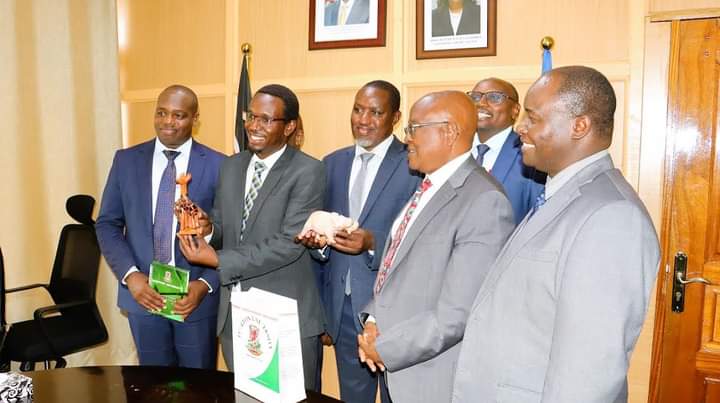 Egerton University is in talks with the County Government of Nakuru to find a suitable site to dispose of asbestos waste from old structures undergoing renovations. The university’s management is in accordance with National Environmental Management Authority (NEMA) guidelines and will involve the public in the disposal process. The university is seeking the county’s intervention in contracting a permanent disposal pit with concrete to seal the hazardous material and prevent it from coming into contact with humans, animals, water, and the atmosphere. Despite the ban on asbestos use in Kenya, the material remains prevalent in water piping systems and roofs, leading to an increase in cancer cases. The university will ensure it follows all NEMA regulations and specifications in disposing of asbestos waste.

The Kenya Sanitation Alliance has launched Sanitation and Hygiene documents in collaboration with USAID and UNICEF, aiming to create hygiene awareness across the country. The documents, which include guidelines and policies, aim to scale up rural-urban sanitation and universal access to improved sanitation by 2030. The Ministry of Health has policy objectives including ensuring a clean and healthy environment for all Kenyans through appropriate technology, strengthening the institutional and human resource capacity of the environmental sector, ensuring sustainable financing for sanitation through public and private investment, establishing an effective research and development framework for sanitation, and establishing a functional monitoring and evaluation framework for the sanitation sector. The documents emphasise six blocks: construction and proper use of latrines; safe treatment and disposal of faecal sludge; sustained hand washing practices; food hygiene; safe water handling; and maintaining a clean home environment.
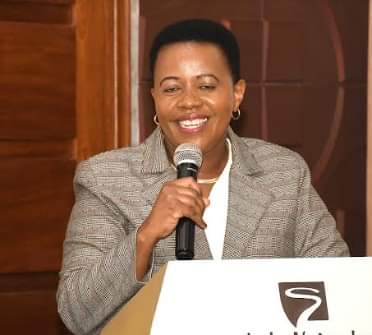
The Kenya Government is implementing a nine-point women-focused agenda to empower more women and promote inclusivity and gender balance in governance structures. State Department for Parliamentary Affairs Principal Aurelia Chepkirui Rono (CPA) highlighted critical areas such as economic empowerment, gender equality in leadership, combating gender-based violence, and safeguarding women’s land rights. The Multi-Sectoral Working Group, established under the Cabinet Secretary’s responsibility for Gender and Affirmative Action, is working towards realising the not more than two-thirds gender principle. Rono highlighted the positive changes in Kenya’s elective positions, such as the number of elected women in the National Assembly, Governors, and Members of the County Assembly. The country has made significant progress in the Gender Development Index, moving from 118 in 2018 to 56 in 2022 globally. The conference emphasised the importance of mentorship and partnerships for gender-inclusive governance, emphasising the need to address systemic biases, cultural norms, and institutional barriers to break down barriers and create environments that encourage and champion women’s participation in governance.
Similar Posts by The Mt Kenya Times:
- Mt Kenya Times ePAPER September 24, 2026
- The kingmaker’s last move: Uhuru’s 2027 gambit
- Kalonzo warns IEBC over 2027 poll
- Kenya leads Africa’s clean cooking push with $600M investment drive
- Kenya takes its case to the world: Ruto at the UN
About the Author