Early pregnancies and HIV/Aids infection among teens is worrying
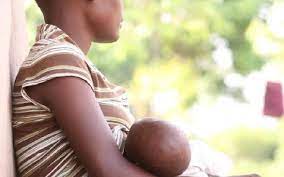
Teenage pregnancy

By: Dennis Wendo
Worth Noting:
- “This encouraging performance reflects an increase of 83 percent in the number of people living with HIV that are on life-saving anti-retroviral treatment, from 600,000 people in 2013 to 1.2 million people in 2021”
- We cannot nurture the potential of the adolescent girls if they continue to condone the disruption of their education. The war against early pregnancies and HIV/Aids infection among teens requires preventive lens through a one-Government Approach.
- There is an increasing number of young people injecting narcotic drugs with over 8000 people being on opioid substitution therapy. “These young people experience high HIV risk and vulnerability and are also predisposed to Hepatitis infections.
Kenya has a predominantly young population, with 67 per cent aged below 29 years. Teenage girls continue to face the triple threats of violation, pregnancy and HIV infections, going by data from the National Council for Population and Development (NCPD) and ministry of health.
Kenya is among the countries with the highest burden of teenage pregnancy and motherhood, and one in every teenage girl in Kenya aged between 10 and 19 is either pregnant or has given birth to her first child. The prevalence has not changed considerably since 2008.
Between January and February 2022 Kenya recorded 45,724 cases of teen pregnancies aged between 10 and 19 years. 2,196 cases of Sexual and Gender-Based Violence (SGBV) were registered among those aged 12 and 17 years, with 98 girls aged between 10 and 19 years having been infected with HIV due to SGBV. The same age group recorded high un- met needs of contraception, at 23 percent against 18 percent of the national figures, with more than 60 percent not using any method.
In 2021, the ministry of health received 12,520 cases of SGBV and was able to provide HIV preventive services to 4,664 young survivors but unfortunately, 53 of the survivors had contracted HIV. Significantly there has been a drop of HIV infections from 343 recorded among adolescent girls in 2015 to 98 per week representing a 71 percent decrease in HIV infections.
In 2021 of all the antenatal care attendances, 21 percent were adolescent mothers aged 10-19 compared to 2018, where 427,135 cases of teenage pregnancies were reported at antenatal clinics, although the numbers were still high, they had reduced by 26 percent to 317,644 in 2021. Of concern, a total of 23,279 of girls aged 10 and 14 were recorded as pregnant. Between 2013 and 2021, HIV programme yielded a 67 percent decline in annual AIDS-related deaths.
“This encouraging performance reflects an increase of 83 percent in the number of people living with HIV that are on life-saving anti-retroviral treatment, from 600,000 people in 2013 to 1.2 million people in 2021”
We cannot nurture the potential of the adolescent girls if they continue to condone the disruption of their education. The war against early pregnancies and HIV/Aids infection among teens requires preventive lens through a one-Government Approach.
There is an increasing number of young people injecting narcotic drugs with over 8000 people being on opioid substitution therapy. “These young people experience high HIV risk and vulnerability and are also predisposed to Hepatitis infections.
Alcohol and drug abuse among the youths is a big menace that requires urgent attention for it predisposes young people to HIV infection, teenage pregnancy and GBV. Stakeholders have a duty to ensure that the vices and contributing factors of new HIV Infections, teenage pregnancies, and Gender-based Violence (GBV) are contained.
There is need for a holistic and inclusive approach towards implementing preventive strategies and re-entry guidelines to re-integrate affected girls back to school. Community and religious leaders should double their efforts to enforce laws legislating the age of marriage at above 18 years amongst all communities because those children cannot give consent for sex.
Stakeholders such as the Ministry of Health, Ministry of Gender, National Police Service, Office of the Director of Public Prosecutions, Court Users Committee, local administration, to relevant civil society organizations and communities, County Commissioners should start including the agenda of ending the ‘Triple Threats’ in public engagements programmes and create a conducive environment where young people thrive without discrimination, stigma and violence. Perpetrators of teenage pregnancies and Gender-Based Violence should face the full force of the law.
There is need to promote a culture of reporting sexual violence against children and GBV cases within communities while encouraging community dialogues to identify community-centered solutions to the Triple Threats. Kenyans should stop condemning people giving HIV and sex education to young people. There is need to address teenage pregnancies based on the drivers because each county has a unique driver of the vice.
The NACC through its county officers should ride on some of the interior and national coordination field activities such as community policing, community peace and security committees, and disaster relief coordination mechanisms to share literature and civic education and awareness around the prevention of new HIV infections, teenage pregnancy, and the public health manifestations of Gender based Violence.
Dennis Wendo
Founder Integrated Development Network
Email: dambehi@gmail.com
Similar Posts by The Mt Kenya Times:
- Mt Kenya Times ePAPER October 24-25, 2026
- Muturi calls on IEBC to keep election technology tender clean and on schedule
- Ruto meets UAE minister in push to deepen trade ties
- Gideon Moi breaks silence on Ruto fallout, cites broken promises
- The doctor who refused to abandon a sick Uganda
About the Author