The Mt Kenya Times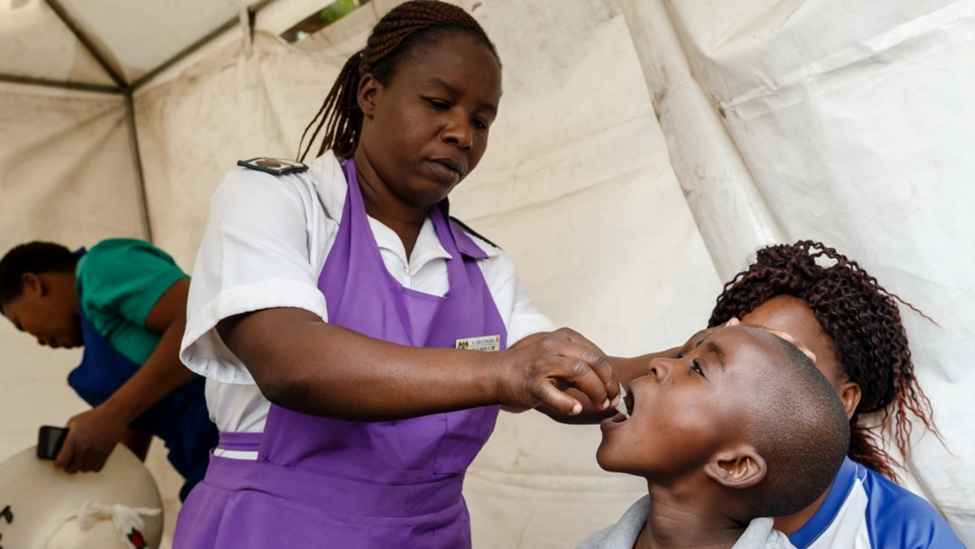
By: Dennis Wendo
Worth Noting:
- Inadequate environmental management and humanitarian crisis such as disruption of water and sanitation systems or the displacement of populations to inadequate and overcrowded camps increases the risk of cholera transmission, in the event of an outbreak.
- Typical at-risk areas include peri-urban slums, where basic infrastructure is not available. Currently the surge is on rise in Nairobi, its environs and in counties experiencing persistent drought, communities utilizing unsafe water sources and limited access to sanitation, hygiene services and corresponding poor WASH practices.
- There is a concern on cholera fatalities due to over stretched capacity of the local governments to effectively respond.
Over 4,000 people have been affected by cholera in 14 counties since the outbreak in October last year with over 70 people losing their lives. The situation needs to be curbed lest it spirals to undesirable circumstances . Cholera can be endemic or epidemic. A cholera-endemic area is where confirmed cases were detected during the last 3 years with evidence of local transmission. An outbreak or epidemic can occur in both endemic counties where the illness does not regularly occur.
The ravage of Covid-19 is not yet over. XBB.1.5 corona virus sub variant with symptoms similar to those of previous Omicron strains is fast spreading in the US and UK. Cholera is an acute diarrheal infection caused by ingestion of food or water contaminated with the bacterium Vibrio cholerae.
It is an extremely virulent disease which affects both children and adults and can kill within hours. Researchers have estimated that each year there are 1.3 to 4.0 million cases of cholera and 21 000 to 143 000 deaths worldwide due to cholera. People with low immunity, such as malnourished children or people living with HIV are at a greater risk of death if infected.
Inadequate environmental management and humanitarian crisis such as disruption of water and sanitation systems or the displacement of populations to inadequate and overcrowded camps increases the risk of cholera transmission, in the event of an outbreak. Typical at-risk areas include peri-urban slums, where basic infrastructure is not available. Currently the surge is on rise in Nairobi, its environs and in counties experiencing persistent drought, communities utilizing unsafe water sources and limited access to sanitation, hygiene services and corresponding poor WASH practices. There is a concern on cholera fatalities due to over stretched capacity of the local governments to effectively respond.
The number of cholera cases reported to WHO continues to be high over the last few years. In 2020, 323 369 cases, 857 deaths were notified from 24 countries. The discrepancy between these figures and the estimated burden of the disease is due to many cases not being recorded due to limitations in surveillance systems and fear of impact on trade and tourism.
In a recent Kenya Health Demographic Health Survey counties like Wajir and Garissa reported 76.7% and 48.2% of its population defecating in the open as compared to Uasin Gishu’s 1.8% and national average of 43%. During the initial phase of the outbreak, the counties of Nakuru, Uasin Gishu, Kajiado, Muranga and Kiambu responded effectively with the outbreak being fairly contained. Nairobi county government sustained interventions but unfortunately the Case Fatality Rate(CFR) has now risen to over 5%.
The gaps identified in Nairobi center on limited community level sensitization and WASH interventions as well as overburdened case management are the leading causes identified for the high CFR.
A multifaceted approach is key to control cholera and to reduce deaths. A combination of surveillance, water, sanitation and hygiene, social mobilization, treatment and oral cholera vaccines should be employed.
Cholera surveillance should be part of an integrated disease surveillance system that includes feedback at the local level and information-sharing at the national level.
Long-term solution for cholera control lies in economic development and universal access to safe drinking water and adequate sanitation. Actions targeting environmental conditions include the implementation of adapted long-term sustainable WASH solutions to ensure use of safe water, basic sanitation and good hygiene practices in cholera hotspots. Such interventions prevent a wide range of other water-borne illnesses and contribute to achieving goals related to poverty, malnutrition and education.
Local culture practices and beliefs are central to promoting actions like the adoption of protective hygiene measures such as hand washing with soap, safe preparation and storage of food and safe disposal of the faeces.
The ministry of health has launched a 10-day oral cholera vaccine in the country, targeting the hard hit counties. Let us go out and get the vaccine. Let us be cautious within our midst right from food vendors to learning institutions, social gathering places like eateries and entertainment joints, funerals and weddings by maintaining increased levels of hygiene standards. County governments should set robust responsive measures to ensure high rates of access to health care and WASH services.
The response by the ministry of health in curbing Cholera spread is commendable and citizens should out rightly heed the calls. The Division of Disease Surveillance and Response (DDSR), Field Epidemiology and Laboratory Program (FELTP) and the County Departments of Health of the affected counties have commenced response activities including field investigations, enhanced surveillance, laboratory testing, case management, risk communication, community engagement and environmental sanitation to prevent further spread of the disease and manage the outbreak.
Dennis Wendo
Founder- Integrated Development Network
Email: dambehi@gmail.com
Similar Posts by The Mt Kenya Times:
- Diaspora Times Global Sep 19 – Sep 25, 2026
- Tibet’s glacial catastrophe: Behind Beijing’s wall of silence, a climate disaster reshapes a region
- Museveni says Uganda overpaid for fuel through Kenyan middlemen as new terminal breaks ground
- Court orders throw KPL season kickoff into doubt
- Can Kenyans abroad become the untapped force that transforms Kenya?
About the Author