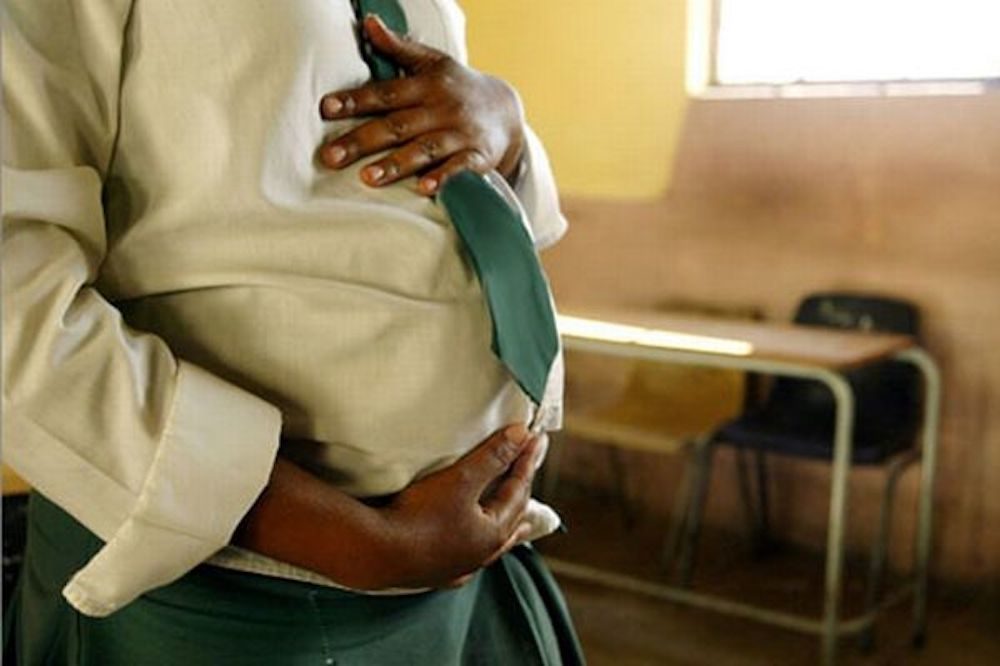

 Adolescent pregnancy is a global phenomenon with clearly known causes and serious health, social and economic consequences to individuals, families and communities. There is consensus on the evidence-based actions needed to prevent it. There is growing global, regional and national commitment to preventing child marriage and adolescent pregnancy and childbearing. Nongovernmental organizations have led the effort in several countries. In a growing number of countries, governments are taking the lead to put in place large-scale programmes. They challenge and inspire other countries to do what is doable and urgently needs to be done – now.
The adolescent pregnancy and motherhood rate in Kenya stands at 18%. These implies that about 1 in every 5 adolescent girls between the ages of 15-19 years, has either had a live birth or are pregnant with their first child. The rate increases rapidly with age from 3% among girls aged 15, to 40% among girls aged 19. The situation varies by county with some counties being disproportionately affected than the others. This policy brief looks at drivers of teenage pregnancy and motherhood such as lack of education including education on sexual and reproductive health; poverty; early sexual initiation; harmful cultural practices such as child marriages; sexual abuse/violence and barriers to access to sexual and reproductive health services. In addition, recommendations for the government and other stakeholders on how to address the challenge of adolescents’ pregnancy and motherhood and its adverse consequences are given.
According to data released by the World Health Organization on 10th April,2024 shows that as of 2019, adolescents aged 15–19 years in low- and middle-income countries (LMICs) had an estimated 21 million pregnancies each year, of which approximately 50% were unintended and which resulted in an estimated 12 million births (1,2).
Based on 2019 data, 55% of unintended pregnancies among adolescent girls aged 15–19 years end in abortions, which are often unsafe in LMICs (1).
Adolescent mothers (aged 10–19 years) face higher risks of eclampsia, puerperal endometritis and systemic infections than women aged 20–24 years, and babies of adolescent mothers face higher risks of low birth weight, preterm birth and severe neonatal condition.
Data on childbirths among girls aged 10–14 are getting more widely available. Globally the adolescent birth rate for girls 10–14 years in 2023 was estimated at 1.5 per 1000 women with higher rates in sub-Saharan Africa (4.4) and Latin America and the Caribbean (2.3) (3).
Preventing pregnancy among adolescents and pregnancy-related mortality and morbidity are foundational to achieving positive health outcomes across the life course and imperative for achieving the Sustainable Development Goals (SDGs) related to maternal and newborn health.
Adolescent pregnancies tend to be higher among those with less education or of low economic status. Girls are also under pressure to marry and bare children. Child marriage places girls at increased risk of pregnancy because girls who are married very early typically have limited autonomy to influence decision making about delaying child bearing and contraceptive use.
Also contraceptives are not easily accessible to adolescents in many places. Even when they are accessible, adolescents may lack capital to buy them or may not use them due to the side effects that come about when using them for a very long time.
To address adolescent pregnancies in Kenya, the government should implement comprehensive sex education programs in schools, improve access to reproductive healthcare services, provide economic opportunities for young girls and keep them busy during holidays, strengthen laws against child marriage, and promote gender equality initiatives. Additionally, community involvement and awareness campaigns can play a crucial role in changing attitudes towards early pregnancies. Let’s come together and fight to secure our girls.
By Bramuel Wanzala and Daismon Tuzoh
Rongo University – Migori County
Similar Posts by The Mt Kenya Times:
- Diaspora Times Global Oct 17 – Oct 23, 2026
- Is social media a blessing or a curse for university students?
- Light at last: How electricity is reshaping Nandi and Uasin Gishu
- The triple squeeze: how EPRA’s fuel price hike is reshaping the survival equation for the common mwananchi
- Zelenskyy accuses Trump of rewarding Putin as Pope pleads for peace from a hospital bed
About the Author