The Mt Kenya Times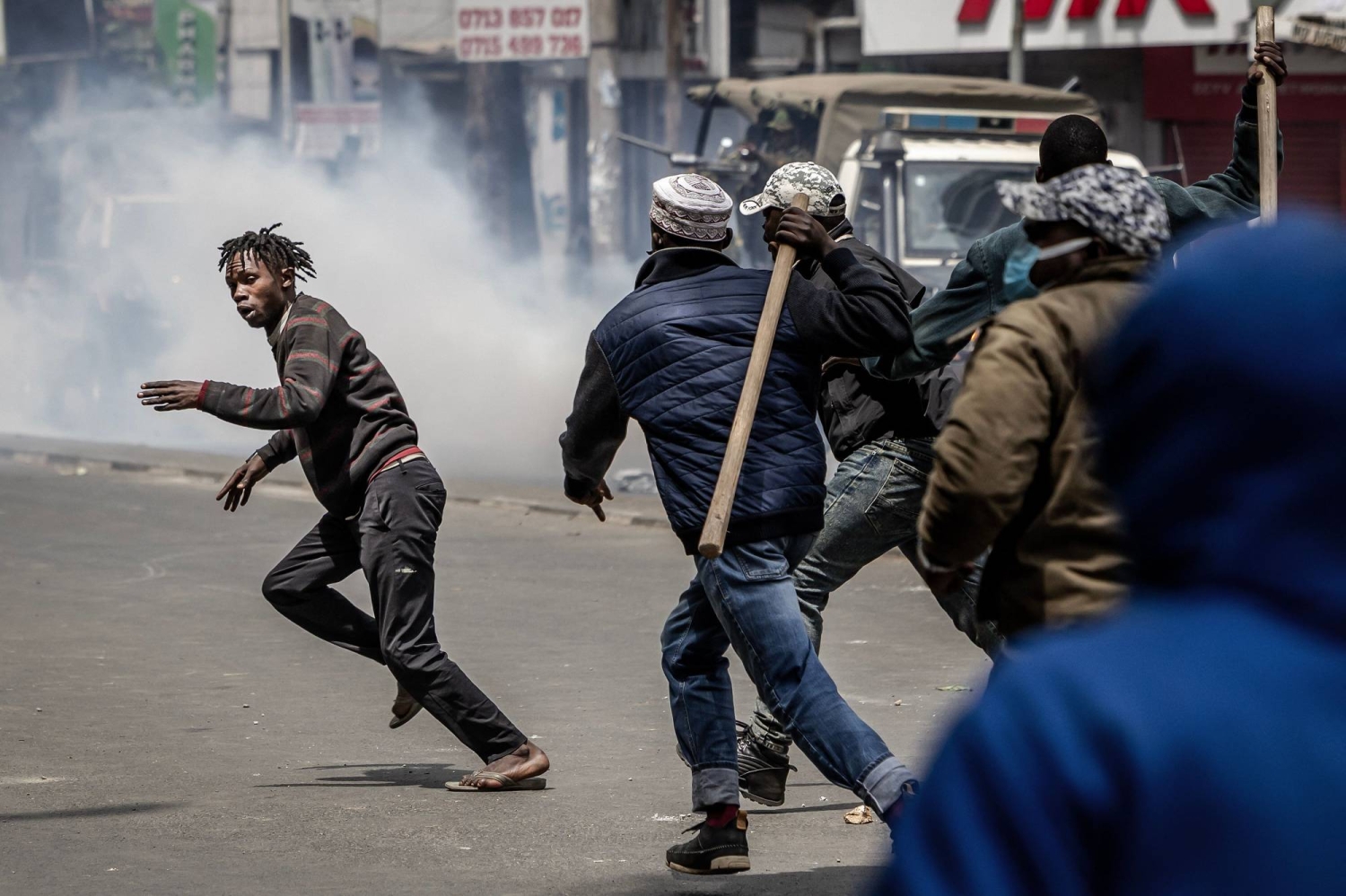
Goonland
By Jerameel Kevins Owuor Odhiambo
In the throbbing underbelly of Nairobi’s informal settlements Mathare, Kibera, Mukuru, and beyond a grim marketplace awakens daily. Not for mitumba clothes or miraa, but for violence. The currency is raw desperation; the commodity, young men whose bodies and futures are auctioned for shillings. The brokers? Politicians from MCAs to those at the highest echelons, alongside businessmen enforcing cartels and land grabs. As detailed in reports from The Daily Nation and The Standard, this is no chaotic underworld but a structured “goon economy,” where unemployed youth are recruited for as little as Sh500 to swell rallies, rising to Sh2,000–Sh5,000 for riskier tasks like intimidation, disruption, or worse.
This is Goonland: a parallel nation where masculine anxiety is harvested like a cash crop, processed into chaos, and discarded when the election dust settles. It is not mere crime; it is the grotesque perversion of a generation’s promise the systematic weaponisation of young Kenyan men by a political class that feasts on their hunger while preaching *hustler* narratives. Their manhood, once a source of pride and provision, becomes both their sharpest weapon and their deepest wound.
Picture a young man, call him Juma, nineteen, broad-shouldered, eyes sharp with unspent potential. School doors closed behind him years ago. No formal job in sight. Kenya’s youth unemployment hovers around 15–17% officially, but in urban slums, the reality for those aged 15–34 approaches a crushing 67% when underemployment is factored in. He wakes to the metallic taste of failure, the weight of idle hands that society mocks as laziness rather than systemic betrayal. Then the phone rings. A handler trusted neighborhood coordinator promises quick cash. Comfortable clothes. Bring friends. By evening, Juma is chanting slogans or hurling stones, his muscles rented out for the spectacle of democracy.
Daily Nation’s investigations into the “concealed economy fuelling political violence” lay this bare. Recruitment is decentralized, digital, and ruthlessly efficient via WhatsApp. A single call assembles dozens; payments flow in cash at petrol stations or pubs to evade trails. Recent events, like the Ol Kalou by-election violence in July 2026 masked armed men, voter intimidation, links to an MP’s vehicle exemplify how this machinery operates with chilling precision.
These are not born thugs. They are the sons of a failed social contract. Post-independence dreams of education and opportunity curdled into a neoliberal nightmare of inequality. Statistics from the National Crime Research Centre (NCRC) and National Cohesion and Integration Commission paint a portrait of over 130 gangs in Nairobi alone, many sustained by political patronage, unemployment, and impunity. Gangs evolve from election muscle into post-poll enforcers controlling garbage, construction sites, protection rackets.
Here lies the deeper tragedy, one that statistics alone cannot capture. Kenyan masculinity has long been defined by provision, protection, and purpose. In Goonland, these virtues twist into parodies. The young man’s strength his readiness to stand tall, to defend, to hustle becomes his most marketable asset. Politicians flatter it with titles like “mobiliser” or “youth leader,” cloaking exploitation in the language of loyalty and brotherhood. Yet society pities or fears him in equal measure. He is the bogeyman at rallies, the disposable body in clashes, the statistic in morgues.
Literary echoes of Fanon’s “wretched of the earth” resonate here: the colonized mind internalizes violence, turning it inward and outward. These young men do not rage against abstract systems; they are paid to rage against each other, fracturing ethnic and class solidarities for the elite’s gain. The death of Cecil Ouma, shot after a payment dispute in a senior official’s vehicle, stands as a visceral symbol. One bullet shattered bone, lung, and life yet it exposed a deeper rot: when politics becomes transactional, human life depreciates to the price of the next installment.
There is profound psychological violence too. Idle ambition festers into hyper-masculine bravado macho posturing that masks despair. “Why does every boy want to be a goon?” one Nation piece asked. The answer is heartbreakingly simple: in the absence of factories, farms, or fair markets, the street offers agency, however illusory. Each paid assignment becomes a temporary salve for emasculation by poverty, a fleeting reclamation of power in a nation that has sidelined them.
Let us name the crime without euphemism. This is not “youth mobilization.” It is predation. Politicians across aisles UDA, ODM, whatever banner perpetuate a cycle where keeping youth poor ensures they remain cheap. As activist Willie Oeba noted, “There is a deliberate effort to keep young people poor so they can be bought cheaply.” Reports from The Standard and Daily Nation document how this economy thrives on layers of deniability: top financiers stay clean while handlers and foot soldiers bear the scars, legal risks, and deaths.
The 2027 elections loom. Without radical intervention, Goonland will expand. Violence has become affordable cheaper than genuine investment in skills, jobs, or dignity. The cost to Kenya? Eroded trust, democratic suffocation, and a generation hollowed out. Every stone thrown weakens the republic; every life lost mocks the blood of independence heroes.
Even so, this need not be Kenya’s epitaph. Original insight demands we see these young men not as problems but as untapped reservoirs of energy. Their discipline in assembling crowds, their networks, their resilience these are assets for nation-building if redirected. Imagine vocational hubs in slums, not as charity but as strategic investment. Mentorship marrying traditional masculine ideals of provision with modern entrepreneurship. Civic mobilization, as seen in Gen Z protests, proves youth can rally for ideas, not shillings.
Policy must strike at roots: aggressive youth employment programs targeting 15–34 demographics, land and economic reforms curbing cartel violence, and relentless prosecution of political financiers. Impunity is the oxygen of Goonland; starve it.
Deeper still, cultural introspection. Society must reframe manhood beyond muscle and money toward intellect, creativity, stewardship. Families, churches, and communities must counter the brokers’ siren calls with narratives of enduring purpose.
Goonland is a mirror held to Kenya’s soul. In its shadows lurk the failures of independence: unfulfilled promises, elite capture, and the quiet acceptance of disposable lives. These young men are not anomalies; they are the canaries in the coal mine of a republic teetering between renewal and ruin.
To the political class: Your power built on rented fists is sand. History judges harshly those who trade futures for fleeting victories. To the young men of Goonland: Your strength is sacred. Do not rent it to those who discard you. The same fire that fuels rallies can forge a new Kenya industrious, just, proud.
The marketplace of violence must close. In its place, let markets of opportunity rise. Kenya’s sons deserve more than shillings for chaos. They deserve a nation worthy of their manhood. The choice is ours before the next call comes, and another Juma answers, body and soul for hire.
The writer is a social commentator
Similar Posts by The Mt Kenya Times:
- Mt Kenya Times ePAPER October 21, 2026
- Kenya confirms ninth Ebola case as outbreak remains contained within single cluster
- Musk pledges SpaceX share for every American child in 2027
- Abiy calls for deeper Kenya-Ethiopia trade partnership at Eldoret ceremony
- Kenya’s oil moment: Promise, responsibility and the long road from Turkana to market
About the Author