Is Uhuru Kenyatta The Modern-Day Chege? A Reflection On Leadership And Prophecy In The River Between
 The Mt Kenya Times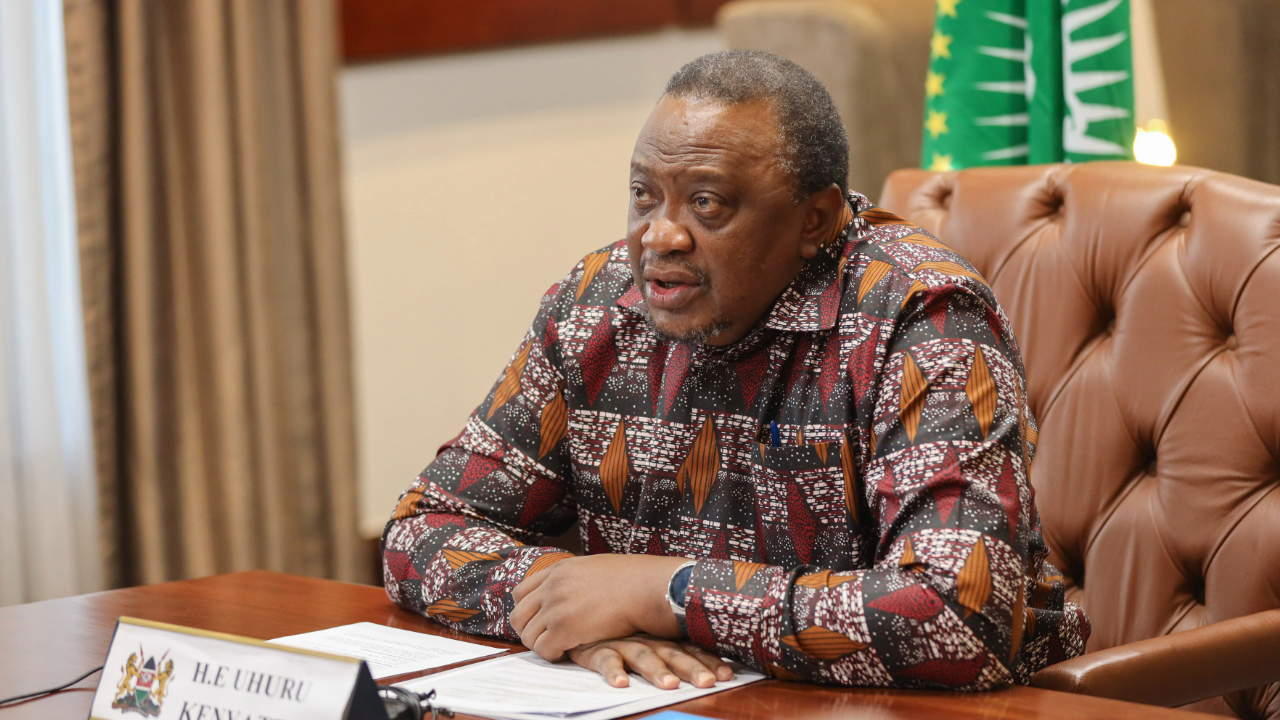
Former President Uhuru Kenyatta
By: Midmark Onsongo
Worth Noting:
- The rejection of Uhuru’s warnings can be seen as a modern reflection of the same skepticism and defiance that characterized Chege’s experience.
- The Agikuyu, much like their ancestors, found it difficult to accept the insights of one who saw beyond the immediate horizon. They chose to follow their own path, despite the forewarnings, driven by a combination of political fatigue, distrust, and the allure of new leadership.
- This repetition of history, where a leader from the mountain speaks with the wisdom of experience only to be ignored, underscores a broader theme of prophetic isolation in the face of collective denial.
Has it not come to pass when the bloody son of the mountain who has his roots back in Ichaweri. His name is Uhuru Muigai wa Kenyatta. He went all over the mountain warning people not to vote for his long term political friend by then deputy president William Ruto. Now compare Uhuru with Chege & explain that the people from the mountain refuse to hear from their own like prophets. Like it was by then as Ngugi says Chege warned his people but they didn’t listen. In this new era Uhuru warned “nyúmba Gikuyu na Múmbí” the Agikuyu but did they listen. They called him dynasty.
In Ngugi wa Thiong’o’s The River Between, the character of Chege stands as a prophetic figure who warns his people of impending danger, yet his words fall on deaf ears. Chege, deeply connected with the traditions and spiritual realm of his tribe, foresees the turmoil that will be brought upon the Gikuyu people by the intrusion of the white man. Despite his wisdom and foresight, his people dismiss his warnings, unable to fathom the gravity of the situation beyond their immediate reality. Chege’s despair at being ignored reflects a timeless struggle between visionary leaders and the communities they seek to protect, a struggle rooted in the complexities of belief and trust.
This narrative finds a parallel in contemporary Kenyan politics with the figure of Uhuru Muigai Kenyatta, a modern-day son of the mountain, tracing his lineage back to the heart of Gikuyu land, Ichaweri. Uhuru, much like Chege, found himself in the position of a harbinger, warning his people—the Agikuyu—against placing their trust in his former ally, William Ruto. As a seasoned politician with intimate knowledge of the nation’s political landscape, Uhuru sought to guide the Gikuyu in a direction he believed would safeguard their future. However, like Chege, Uhuru’s warnings were dismissed by many of his own people, who instead labeled him part of a “dynasty,” distancing themselves from his counsel. The very people he sought to protect turned a blind eye to his warnings, much as Chege’s people had done generations before.
The rejection of Uhuru’s warnings can be seen as a modern reflection of the same skepticism and defiance that characterized Chege’s experience. The Agikuyu, much like their ancestors, found it difficult to accept the insights of one who saw beyond the immediate horizon. They chose to follow their own path, despite the forewarnings, driven by a combination of political fatigue, distrust, and the allure of new leadership. This repetition of history, where a leader from the mountain speaks with the wisdom of experience only to be ignored, underscores a broader theme of prophetic isolation in the face of collective denial.
The tale of Chege and the recent political events surrounding Uhuru Kenyatta weave together a story of prophecy, rejection, and the slow, inevitable unraveling of what was once steadfast and enduring. The mountain, symbolic of strength and continuity, now finds itself under siege by forces both natural and human-made. The snow-capped peaks of the mountain, once a proud emblem of purity and peace, are slowly melting, giving way to bare rock and uncertainty. What was once a sanctuary, crowned with eternal snow, is now threatened by the warming breath of climate change—a reminder that even the most immovable of symbols are vulnerable to the passage of time and shifting conditions.
Just as the snow on top of the mountain begins to disappear, so too does the unity and peace that it once represented for the people of the Mt Kenya region. The glaciers, long a symbol of unyielding resolve, are retreating, shrinking into mere shadows of their former selves. This melting is more than a physical phenomenon; it is a metaphor for the erosion of values, traditions, and the collective identity that once held the community together. The mountain, which stood tall and unwavering for generations, is now besieged by division—a fissure that cuts through the heart of the Gikuyu people, much like the crevasses that appear on a melting glacier, deep and insidious.
Uhuru Kenyatta, the son of the mountain, found himself caught in this storm of change. He stood at the forefront, trying to hold back the tides of division and chaos, much like one would try to stop the melting of glaciers with bare hands. His warnings were an attempt to preserve what remained of the mountain’s dignity, to keep the snow from disappearing entirely, but the forces at play were too great, too overwhelming. The people, blinded by the allure of new promises, dismissed his pleas, labeling him as a relic of a past that they were eager to leave behind.
As the snow melts and the glaciers retreat, the mountain reveals its vulnerabilities. The once-sturdy rock begins to crack under the pressure, its foundation weakened by the loss of the very elements that once made it whole. The peace that the white emblem symbolized is now a distant memory, replaced by tension, uncertainty, and the creeping dread of what is to come. The mountain faces two great threats: the relentless advance of climate change, which shows no mercy to even the tallest peaks, and the internal division that threatens to tear the community apart from within.
This division, much like the melting snow, is a slow process, almost imperceptible at first. But as time goes on, the cracks begin to show, spreading and deepening until they can no longer be ignored. The once-unified voice of the Gikuyu people is now fractured, with different factions pulling in opposite directions, each convinced of its own righteousness. The bonds that once held the community together are weakening, just as the glaciers lose their grip on the mountain.
Uhuru’s plight is emblematic of this larger struggle. His warnings, like those of Chege, were ignored, and now the consequences are becoming apparent. The snow has melted, and with it, the hope for a peaceful, unified future. The mountain, which once stood as a beacon of strength and resilience, is now a battleground, with the forces of nature and human folly waging war against each other. The very thing that once made the mountain majestic—its towering height, its snow-capped peaks, its unity—now seems to be its undoing for generations.
As a sustainable economist and geopolitical strategist, it’s clear to say that the erosion of both the mountain’s glaciers and the unity of its people reflects broader issues facing the region. The melting snow is not just a loss of beauty but a sign of the changing tides, both environmentally and politically. The economic foundations, once as solid as the mountain’s base, are now as fragile as the receding ice. In a world where resources dwindle and divisions grow, the question remains: can the people of Gikuyu find a way to stabilize their future, or will they allow the mountain to crumble?
Is Uhuru, like Chege, the prophetic voice Ngugi wa Thiong’o wrote about? The answer lies not just in history but in the choices they make today.
This article was scripted by;
MIDMARK ONSONGO
Similar Posts by The Mt Kenya Times:
- Kenyans abroad: Is the American dream turning into an immigration nightmare?
- Stress disorder: When the body remains in survival mode
- Mashujaa day must leave more than memories in Uasin Gishu
- Why most teachers in C4 schools have internalised failure
- The role of phones and social media in the lives of older people
About the Author