The Mt Kenya Times
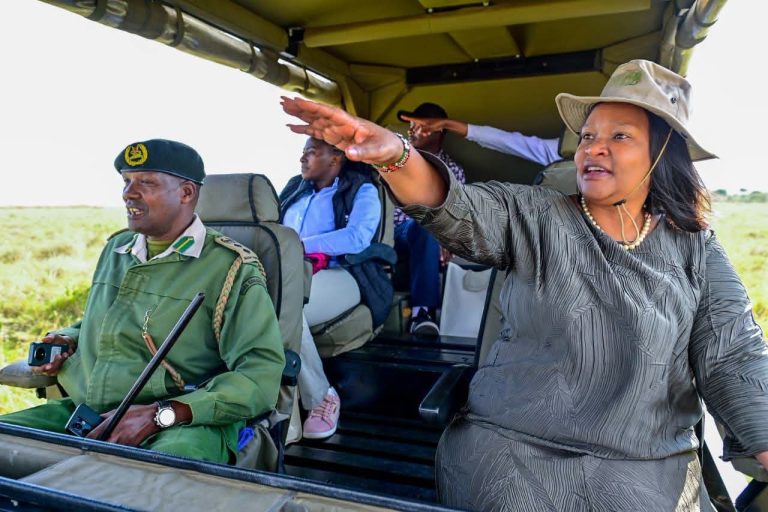
Kenya Wildlife Service Director General Dr. Erustus Kanga (L)
Under its director general’s watch, KWS is trading old methods for drones, data, and a digital funding portal — and the results are beginning to show
By John Kariuki
Kenya Wildlife Service Director General Dr. Erustus Kanga is steering one of Africa’s most celebrated conservation agencies into a new technological era, deploying digital tools and strategic partnerships to sharpen the protection of Kenya’s wildlife while making the institution more transparent and accountable.
The shift is neither cosmetic nor slow. On World Wildlife Day earlier this year, Kanga officially opened the Global Conservation Tech and Drone Forum in Nairobi, where he made clear that science and technology must guide both policy and field operations, ensuring that wildlife protection keeps pace with evolving threats. It was a statement of intent — and KWS has been backing it up with action.
The agency is now integrating drones, remote sensing, geographic information systems, thermal imaging, and data analytics platforms to transform how wildlife and protected areas are monitored across Kenya. At the KWS Law Enforcement Academy in Manyani, Kanga led senior management in witnessing live drone demonstrations, with KWS Airwing pilots showcasing how the technology is being woven into wildlife monitoring and anti-poaching operations inside national parks and conservation zones. The drones, KWS says, are already improving surveillance coverage and are expected to play a central role in curbing poaching and the illegal bushmeat trade.
The digital push does not stop at the park boundary. KWS has launched an online funding portal that enables individuals and organisations worldwide to contribute directly to wildlife conservation in Kenya — a move designed to modernise conservation funding and reduce dependence on traditional revenue streams. Kanga framed the significance of the initiative plainly. “The resilience of our wildlife ecosystems directly shapes the resilience of our tourism industry and, ultimately, the well-being of millions worldwide who depend on it,” he said.
Kanga brings more than two decades of experience in biodiversity conservation to the role, including five years as Wildlife Secretary at the Ministry of Tourism, Wildlife and Heritage, and sixteen years at KWS overseeing biodiversity research and monitoring across Kenya’s protected areas. That depth of institutional knowledge gives weight to his conviction that modern conservation demands more than dedicated rangers — it demands intelligent systems.
The stakes, he has repeatedly noted, could not be higher. Kenya’s wildlife faces an intensifying cocktail of threats — climate change, habitat loss, human-wildlife conflict, poaching, and fluctuating tourism revenues that have long underwritten conservation work. Against that backdrop, Kanga’s determination to build a leaner, smarter, more globally connected KWS looks less like ambition and more like necessity.
What is emerging, those who work closely with the agency say, is an institution beginning to match the scale of its mandate — one that is learning, as Kanga himself has put it, that protecting Kenya’s wildlife heritage is not just a conservation duty. It is an economic, cultural, and moral one.
Similar Posts by The Mt Kenya Times:
- Kalonzo calls Ruto to order over Uhuru attacks
- Gachagua takes his 2027 campaign to America
- Uhuru owns “sponsor” — and Ruto should be worried
- Sengwer youth: When will Kenya stop treating a minority like an afterthought?
- When young lives become disposable
About the Author