Kenya is not for sale: Why the illegal sale of national IDs is a threat to sovereignty
 The Mt Kenya Times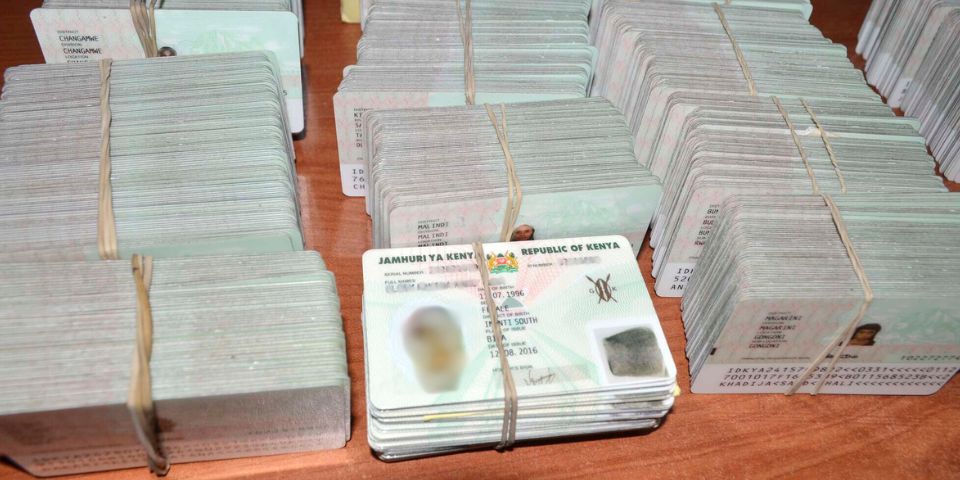
By Prof. Gitile Naituli
Few things define a nation more profoundly than citizenship. A country’s borders may be marked on maps, its flag may fly proudly in the wind, and its anthem may stir patriotism in its people, but citizenship is the legal bond that gives meaning to nationhood. It determines who belongs, who enjoys rights and protections, and who carries the responsibilities of membership in the national community. That is why recent reports alleging that Kenyan identity cards can be illegally obtained through bribery should alarm every citizen. The reports are not merely about corruption. They go to the very heart of Kenya’s sovereignty, national security, and constitutional order.
The Kenyan national identity card is perhaps the most important document a citizen possesses. It is the primary proof of citizenship and the gateway to numerous rights and opportunities. It enables a person to vote, obtain a passport, own property, access financial services, register businesses, and participate fully in public life.
If such a document can be obtained fraudulently through bribery, then we are dealing with something far more dangerous than ordinary administrative corruption. We are confronting a direct assault on the integrity of the Republic.
The Constitution of Kenya is very clear on matters of citizenship. Article 12 guarantees every citizen the rights and privileges of citizenship, including the right to a Kenyan passport and any document of registration or identification issued by the State to citizens. Implicit in this constitutional protection is the principle that such documents belong exclusively to those who lawfully qualify as citizens.
Article 14 of the Constitution further establishes who is a citizen by birth, while Articles 15 and 16 provide the legal pathways through which non-citizens may acquire citizenship through registration and address the circumstances under which citizenship may be retained. The Constitution therefore contemplates carefully regulated and legally supervised pathways to citizenship. It does not permit citizenship to be sold in dark offices to the highest bidder.
The framers of our Constitution understood that citizenship is too important to be left vulnerable to manipulation or corruption. Citizenship defines the political community itself. It determines who participates in elections, who exercises constitutional rights, and who shares in the nation’s collective destiny.
When corrupt individuals turn identity documents into commercial commodities, they undermine the entire constitutional architecture. The implications for national security are grave. Identity documents are not merely pieces of plastic. They are instruments of trust. State institutions, financial systems, border agencies, and foreign governments rely on them to establish identity and nationality. If criminals, traffickers, money launderers, or terrorists can obtain Kenyan identity documents fraudulently, then the risks extend far beyond our borders.
A person carrying a fraudulently acquired Kenyan passport who commits serious crimes abroad will not be viewed internationally as an imposter who deceived Kenyan officials. The world will see a Kenyan passport. They will see Kenya’s name. They will see the Republic of Kenya. The damage to our international reputation could be immense.
Equally serious are the implications for electoral integrity. Many Kenyans still remember political statements made in the past about “manufacturing votes.” Such remarks may have been made in a political context, but they inevitably shape public perceptions. Consequently, when allegations emerge that identity documents can be obtained illegally, citizens cannot be blamed for asking difficult questions.
Confidence in democratic institutions depends entirely on public trust. Elections can only be considered credible when citizens have confidence that voter registration systems, identity databases, and citizenship records are secure and protected from manipulation. The mere perception that citizenship documents can be purchased undermines confidence in democratic processes and weakens faith in public institutions.
Article 10 of the Constitution establishes national values and principles of governance, including the rule of law, integrity, transparency, accountability, and good governance. Any public official who participates in the illegal acquisition of identity documents violates each of these constitutional values.
Article 73 goes even further by declaring that authority assigned to a State officer is a public trust that must be exercised in a manner that demonstrates integrity, objectivity, accountability, and selfless service. An official who accepts a bribe to issue a national identity document fraudulently betrays not only the law but also the constitutional trust reposed in public office.
The issue is made even more painful by its obvious injustice.
Ordinary Kenyans obey the law. They queue patiently for government services. They provide documents and satisfy legal requirements. Many young people wait months and sometimes years to obtain identity documents that are essential to their economic and social lives. Yet allegations persist that a few corrupt individuals can simply pay bribes and walk away with documents that genuine citizens struggle to obtain. Such situations destroy public confidence in government. Citizens lose faith in institutions when they perceive that legality and patience matter less than corruption and connections.
The State therefore has both a legal and constitutional obligation to act decisively. Every allegation of fraudulent acquisition of identity documents must be investigated thoroughly and independently. Those responsible, whether brokers, public officials, or beneficiaries of the fraud, must face the full force of the law.
Equally important, Kenya should undertake regular and independent audits of citizenship and registration systems to assure citizens that national identity databases are accurate, secure, and protected from abuse.
Ultimately, citizenship is not a commodity. It is not merchandise to be auctioned. It is not a favour that can be purchased. Citizenship represents membership in the Kenyan nation and participation in our constitutional order. Kenya is not for sale. Our citizenship is not for sale. Our national security is not for sale. And our democracy must never be for sale.
The writer is scholar who comments on various topical issues
Similar Posts by The Mt Kenya Times:
- Kenya’s educated jobless: A generation waiting for a chance
- Eldoret must deliver more than a ceremony
- The long road back: How to conquer PTSD
- When lectures stop, student lives stand still
- All survive as Kenya Forest Service helicopter crashes at Kericho golf club
About the Author