Kenyan’s Genz Protest Confronting Police Brutality

Kenya’s GenZ is leading a powerful movement against police brutality, driven by a desire for justice and systemic change. This newsletter delves into the origins of these protests, recent incidents, and their broader socio-political impact, highlighting the critical need for reform.
GenZ in Kenya, born in the late 1990s to early 2012s, is leveraging digital platforms to organize and amplify their voices. Influenced by global movements and empowered by social media, these young activists are mobilizing against systemic injustices.
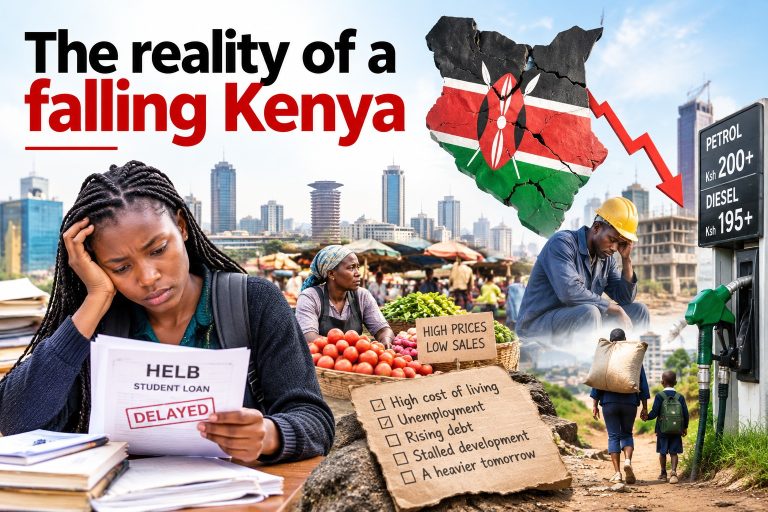
High youth unemployment rates and economic challenges fuel dissatisfaction and demands for better job opportunities.
Persistent government corruption erodes trust and motivates calls for transparency and accountability.
Movements like Black Lives Matter and #EndSARS inspire Kenyan youths to address similar issues at home.
In 2023, the death of a young activist in police custody sparked nationwide protests. This activist, known for documenting police abuses, became a symbol of the fight for justice.
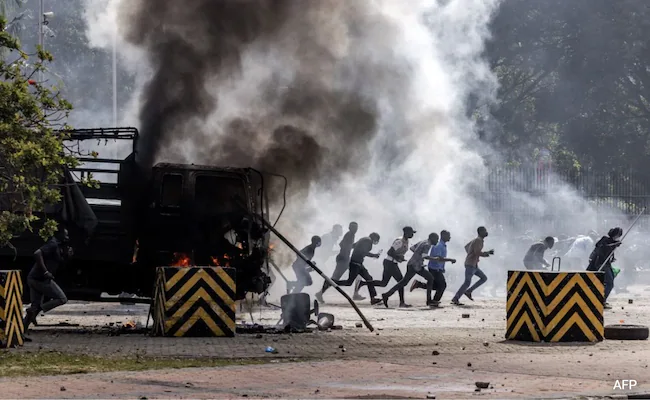
In Nairobi, police used tear gas and water cannons to disperse protesters, leading to numerous injuries and arrests.
Similar confrontations occurred in Mombasa and Kisumu, with reports of live ammunition being used, resulting in injuries and escalating public outrage.
The Justice ForJane campaign emerged in early 2024 after a young woman was allegedly assaulted by police during a peaceful protest. This incident highlighted systemic gender-based violence and police brutality.
The Justice For Jane trended on Twitter, with widespread for justice and reform.
Online momentum translated into street protests, demanding accountability and systemic change.
The Kenyan government has historically shown reluctance to address police brutality, often downplaying incidents or promising reforms that lack follow-through. Recent protests have been met with statements of concern but limited concrete .
Kenya’s Constitution (2010) guarantees the right to peaceful assembly and protest. The National Police Service is expected to uphold these rights and use minimal force. However, there are frequent violations.
Police often resort to tear gas, water cannons, and live ammunition, violating protocols.
Many protesters face arbitrary arrests and detentions, further infringing on their rights.
– Young men, often at the forefront of protests, face severe physical injuries and long-term psychological trauma.
-Continued police violence erodes trust in law enforcement and government institutions, leading to increased disillusionment and potential radicalization.
Arrests and injuries disrupt education and employment opportunities, exacerbating existing socio-economic challenges.
Recent protests have heightened public awareness of police brutality and the urgent need for reform. Media coverage and social media play crucial roles in documenting abuses and mobilizing support.
The protests have sparked policy discussions about potential reforms within the police force. Civil society organizations and human rights groups are advocating for:
Calls for independent investigations into incidents of police brutality.
Improved training for police officers on human rights and crowd control.
Strengthened mechanisms for holding police officers accountable for injuring the protesters
The government’s handling of protests and police brutality has negatively impacted its image, both domestically and internationally. Continued violations and lack of accountability undermine Kenya’s reputation as a democratic state committed to human rights.
The struggle against police brutality in Kenya underscores broader socio-political challenges. GenZ’s activism is vital in pushing for systemic change and justice. Comprehensive reforms, strengthened legal protections, and addressing underlying socio-economic grievances are essential for building a just and equitable .
Stephen Ochieng, Communication and Public Relations Rongo University.
Similar Posts by The Mt Kenya Times:
- Mt Kenya Times ePAPER October 24-25, 2026
- Muturi calls on IEBC to keep election technology tender clean and on schedule
- Ruto meets UAE minister in push to deepen trade ties
- Gideon Moi breaks silence on Ruto fallout, cites broken promises
- The doctor who refused to abandon a sick Uganda
About the Author