The Mt Kenya Times
By Jerameel Owuor Kevins Odhiambo
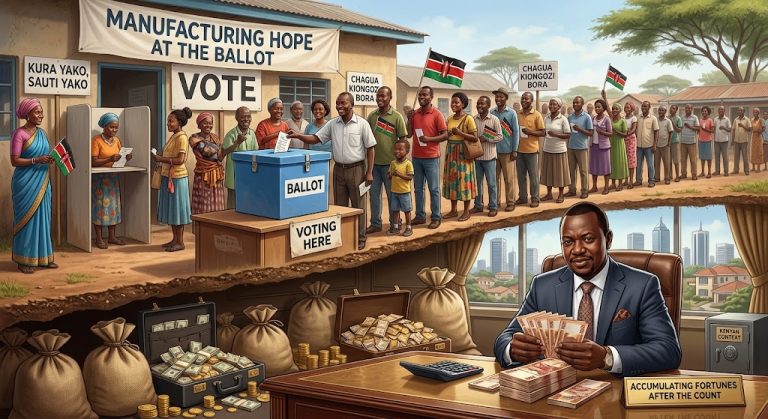
Kenya’s 2027 general election will require at least 61.7 billion Kenyan shillings approximately $455 million to conduct, making it Africa’s most expensive electoral exercise on a per-voter basis. At roughly $20 per registered voter, this figure dwarfs the continental average of $5 and surpasses the electoral costs of neighboring Rwanda ($0.05 per voter), Uganda ($4), and Tanzania ($5.16). Yet this staggering expenditure represents only the tip of an iceberg whose true dimensions include lives lost, communities shattered, and a social contract perpetually negotiated at gunpoint. For Kenya, democracy has never been merely an abstract ideal enshrined in constitutions and ballot boxes; it is a transaction paid for in blood, treasure, and the persistent anxiety that grips the nation every electoral cycle.
The paradox of Kenya’s democratic experiment lies in its origins. When the Union Jack was lowered on December 12, 1963, and Jomo Kenyatta assumed leadership as the nation’s first Prime Minister, independence promised liberation from colonial oppression and the dawn of self-governance. The hopes were intoxicating. Kenyatta, who had been imprisoned for seven years on false charges related to the Mau Mau Uprising, embodied the aspirations of millions who had suffered under British rule, a period marked by concentration camps, massacres, and the systematic dispossession of African lands. The new constitution established a multiparty system with regional assemblies, designed to balance ethnic interests and prevent the concentration of power that had characterized colonial governance. Yet within a year, Kenya transitioned from a parliamentary democracy to a one-party republic under the Kenya African National Union (KANU), with Kenyatta wielding executive power as president. This consolidation, though it delivered initial stability and economic growth averaging 6.6 percent annually, planted the seeds of ethnic patronage politics that would define and disfigure Kenyan democracy for generations.
 What began as Kenyatta’s pragmatic nation-building project calcified into a system where ethnicity became the primary currency of political mobilization. Successive administrations pitted the majority Kikuyu ethnic group, economically and politically favored since colonial times, against smaller communities including the Luo, Kalenjin, Luhya, Kamba, and Kisii. Political elites discovered that shrewd ethnic calculus and strategic alliances delivered more electoral victories than performance or national vision ever could. This transformation reached its bloody crescendo in the aftermath of the December 2007 elections, when disputed results triggered violence that claimed approximately 1,500 lives, displaced 300,000 people, saw over 3,000 women raped, and destroyed property worth billions of shillings. The carnage was not spontaneous rage but organized political violence, with politicians inciting ethnic pogroms against communities perceived as electoral rivals. International observers confirmed that both sides had manipulated results, yet the head of the electoral commission himself admitted he did not know who had truly won. The violence exposed an uncomfortable truth: Kenya had constructed an elaborate and expensive democratic facade atop foundations of ethnic grievance, land disputes, and economic inequality that remained unresolved since independence.
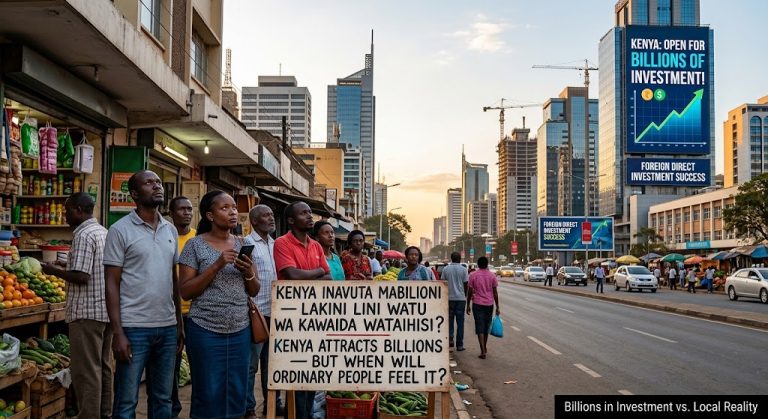
The economic dimensions of Kenya’s democratic costs extend far beyond official electoral budgets. While the Independent Electoral and Boundaries Commission (IEBC) projects spending $455 million on the 2027 election for biometric registration, secure ballot papers with eleven security features exceeding the complexity of currency notes, and 45,000 Kenya Integrated Election Management System kits, these visible expenditures obscure more insidious financial dynamics. Days before the 2022 election, Kenya’s Controller of Budget disclosed being pressured to authorize 15.5 billion shillings in questionable expenditures, presenting WhatsApp messages from the Treasury Cabinet Secretary as evidence of political coercion.
Election years consistently witness spikes in public spending some lawful, others questionable, many outright unlawful, as politicians divert public resources to fund informal campaign costs. This politically driven fiscal behavior contributes directly to ballooning public debt and macroeconomic instability, with Kenya repeatedly missing budget deficit targets due to expansionary pre-election spending. Post-election periods bring limited fiscal space, delayed contractor payments, and growing debt service obligations that undermine future investments in health, education, and infrastructure. The budget becomes a ballot, and public finance management principles designed to safeguard citizens’ interests are sacrificed on the altar of electoral ambition.
Individual candidates face their own ruinous financial barriers that transform democratic participation into a luxury reserved for the wealthy or those willing to mortgage their futures. To successfully contest a Woman Representative seat requires an average of $240,000, while a Member of Parliament position demands $222,000, and even the least expensive political office, Member of County Assembly costs $31,000. Half of all candidates spend more than $147,000 merely to secure their party’s nomination ticket during primary elections, with many admitting they invest more at this stage than during the general election itself. This creates perverse incentives throughout the political system. Successful candidates arrive in office already heavily indebted and beholden to financiers who expect returns on their investments. Members of Parliament, who earn 7.45 million shillings annually ($75,400), find themselves spending nearly as much or more each month on constituency development projects, donations to social groups, and supporting needy individuals, as voters have been conditioned to view politicians as personal ATMs. The transactional nature of this relationship reduces democracy to a commercial exchange where votes are purchased with handouts, serious policy debate disappears, and capable candidates without access to substantial resources are systematically excluded from political life.
The human costs of Kenya’s expensive democracy remain the most devastating and least quantifiable. The 2007-2008 post-election violence did not emerge from vacuum but from decades of unaddressed historical grievances over land ownership, privilege, and inequality dating back to colonial land displacement and the settlement of Kikuyu people in the Rift Valley on land originally populated by the Maasai. Young people, facing unemployment, illiteracy, and impoverishment, became amenable to incitement by unscrupulous politicians and perpetrated violent acts of vandalism and looting.
The violence had severe regional implications, with landlocked countries including Uganda, Rwanda, Burundi, and eastern Democratic Republic of Congo suffering fuel shortages and blocked supply chains when 18,000 containers remained stuck at Mombasa port. Kenya’s tourism industry lost approximately $47.6 million from visitors who canceled trips, rippling through an economy already strained by the costs of violence. Former UN Secretary-General Kofi Annan led the mediation that eventually produced a power-sharing agreement, but accountability remained elusive. A sealed list of suspects was handed to the International Criminal Court, including charges against current President Uhuru Kenyatta and Deputy President William Ruto, though cases were ultimately terminated due to insufficient evidence and allegations that the Kenyan government refused to cooperate. Ten years after the violence, many internally displaced persons still awaited promised compensation, living testimony to democracy’s unmet obligations.
Yet for all the treasure expended and blood spilled, Kenya’s electoral integrity remains fragile and contested. Despite investing billions in biometric technology, electronic transmission systems, and ballot papers more secure than currency, the 2017 presidential election result was annulled by the Supreme Court, the first such decision in Africa, due to irregularities in the electoral process. No matter how sophisticated the technology or expansive the budget, elections continue following a predictable cycle: massive spending, contested results, court challenges, street protests met with teargas, and eventual political settlements through “handshakes” and broad-based governments that preserve the status quo.
IEBC Chairman Erastus Ethekon identified the root cause with stark clarity: Kenya’s trust deficit. Because Kenyans do not trust each other or their institutions, paranoia demands endless regulations, redundant verification systems, and outsourcing ballot printing to foreign firms at premium costs. The country has created one of the world’s most legislated and regulated electoral systems, yet regulation serves primarily to manage collective anxieties rather than deliver genuine confidence. High electoral costs do not correlate with electoral integrity or democratic quality; Freedom House documented deterioration in Sub-Saharan African democracy from 2005 through 2018, demonstrating that adherence to regular elections absent rule of law, governmental functionality, and freedom of expression does not strengthen democracy beyond its constitutional appearance.
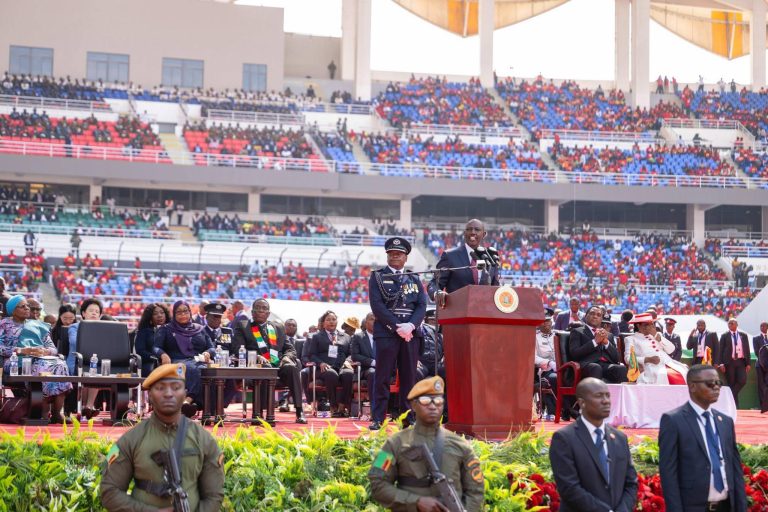
The question Kenya faces is not whether it can afford expensive elections, clearly it cannot, given competing demands for development spending in a nation grappling with debt, inequality, and poverty. Rather, the question is whether Kenyans will continue paying ever-escalating prices for a system that guarantees division, corruption, and patronage while delivering neither accountability nor genuine representation. Democracy’s promise remains unfulfilled not because Kenya lacks sophisticated electoral technology or sufficient funding, but because the foundational issues that sparked violence in 1992, 1997, and 2007 remain unresolved: land ownership disputes rooted in colonial displacement, economic structures that concentrate wealth among political elites and their ethnic constituencies, and a political culture that rewards ethnic mobilization over policy competence. The 2025 constitutional amendment bill seeking to enshrine controversial development funds directly controlled by legislators represents not reform but regression, further entrenching the fusion of electoral ambition with public budgeting. Until Kenya addresses these structural failures, depoliticizing development funds, strengthening genuinely independent oversight institutions, enforcing campaign finance regulations, reforming land ownership patterns, and building inter-ethnic social cohesion its democracy will remain the continent’s most expensive performance art, staging elaborate shows every five years while ordinary citizens pay the price in foregone healthcare, education, and opportunities. The cost of democracy in Kenya is not counted merely in shillings but in graves, broken dreams, and generations of potential squandered on a system that extracts wealth upward while delivering violence, disappointment, and recurring trauma downward. Freedom, it turns out, does not come cheaply but the question remains whether what Kenya has purchased at such tremendous cost deserves to be called freedom at all.
The writer is a socio-legal commentator
Similar Posts by The Mt Kenya Times:
- Sengwer youth: When will Kenya stop treating a minority like an afterthought?
- When young lives become disposable
- The day death refused to be scammed
- Statement win at the Gtech: Brentford outclass Chelsea to claim all three points
- When disability funds become a frontier for accountability: Kenya’s PWDs refuse to be invisible
About the Author