
LOUDER THAN WORDS: A Call for Action in the Fight Against Climate Injustice
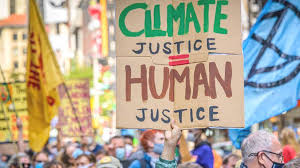


By: Linet Nabwire
As a Ugandan youth deeply invested in climate justice and gender equality, I find myself grappling with a wave of disappointment as I reflect on my absence from COP 29 in Baku, Azerbaijan. My passion for advocacy and activism runs deep, yet I am compelled to confront a harsher reality: too often, our voices are drowned out by the very forces that endanger our planet and undermine the rights of the most vulnerable among us.
While I would have loved to stand shoulder to shoulder with fellow activists, I couldn’t help but feel that my presence would have been merely symbolic. What I truly desire is a shift in the narrative—a cessation of the empty promises that have plagued climate conversations. Time and again, we witness the same old pattern: powerful nation-states and the oil and gas industry resist transformative legislation designed to curb climate impacts. Instead, they cling to the status quo, prioritizing profits over the future of our planet and the well-being of its inhabitants.
In Uganda and across the Global South, the very communities that bear the brunt of climate change are often the least represented in these high-level discussions. We are tired of being told that our stories and struggles are important. We want action—real, tangible action that leads to systemic change. That’s why we, as young climate advocates, are calling for a radical rethinking of how decisions are made at these conferences. Instead of the current unanimity model that often favors the wealthy and influential, we propose a supermajority process. This would empower diverse voices and ensure that those disproportionately affected by climate change have an equitable say in the decisions that shape their futures.
It is clear that significant commitments can easily be made within the walls of conference rooms, but without a subsequent commitment to action, these declarations are little more than platitudes. We reject the notion that merely discussing climate change suffices to combat it. Words, no matter how eloquent, will not restore ecosystems, protect wildlife, or uplift marginalized communities struggling for their rights.
The resistance from fossil fuel companies and petro-states must end. Their relentless lobbying undermines our collective ability to address climate change
Author
LINET NABWIRE Feminist Climate Justice Advocate
Team Lead &Founder of Creation Care Foundation CCF
Similar Posts by The Mt Kenya Times:
- Sengwer youth: When will Kenya stop treating a minority like an afterthought?
- When young lives become disposable
- The day death refused to be scammed
- Statement win at the Gtech: Brentford outclass Chelsea to claim all three points
- When disability funds become a frontier for accountability: Kenya’s PWDs refuse to be invisible
About the Author

 Brenda Holo