Managing Menstrual Health: Hygienic Practices and Nutritional Support for Comfort and Well-being

By: Sheila Awuor Ndong’a
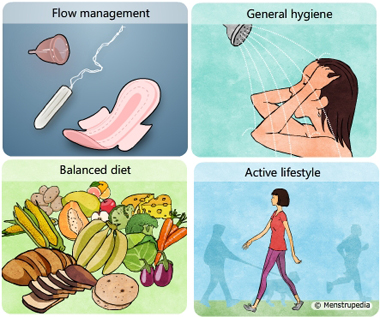
Maintaining a hygienic menstrual routine and supporting your body with the right foods can significantly impact comfort and well-being during menstruation. Good menstrual hygiene is essential for preventing infections, reducing odors, and ensuring comfort. A few simple steps can make a difference. First, it’s important to change sanitary products, like tampons, pads, or menstrual cups, every 4-6 hours to prevent bacterial buildup and reduce the risk of Toxic Shock Syndrome (TSS). Washing the genital area with mild soap and water, avoiding harsh or scented products, also helps maintain the natural pH balance and prevents irritation or infections. Wearing breathable fabrics like cotton can reduce moisture buildup and lower the risk of bacterial infections. Additionally, proper disposal of sanitary products, such as wrapping used pads or tampons before throwing them away, keeps odors at bay and promotes cleanliness. Lastly, practicing good hand hygiene before and after changing products is essential to prevent the transfer of bacteria.
Menstrual cramps, or dysmenorrhea, are a common concern during menstruation, but certain foods can help alleviate pain, bloating, and other discomforts. Leafy green vegetables, like spinach and kale, are rich in iron, which replenishes levels that may decrease with blood loss, and magnesium, which relaxes muscles and helps reduce cramps.
Bananas are also beneficial, offering potassium and vitamin B6, which aid in reducing bloating, easing cramps, and improving mood. Ginger, with its anti-inflammatory properties, is another helpful option; it can reduce menstrual pain and soothe nausea, which some people experience during their periods. Dark chocolate is a tasty yet effective choice, as it contains magnesium and iron to ease cramps and boost mood, while its antioxidants reduce inflammation and improve blood flow.
Fatty fish, such as salmon and mackerel, are rich in omega-3 fatty acids that decrease inflammation and menstrual pain while also relieving mood swings and fatigue. Nuts and seeds, like almonds, walnuts, and chia seeds, are packed with magnesium, vitamin E, and healthy fats that help with cramps, mood swings, and breast tenderness. Yogurt, a good source of calcium and probiotics, can also ease cramps and reduce bloating and digestive discomfort. For hydration, watermelon and cucumber are excellent choices; their natural sugars and high water content can combat bloating and boost energy. Whole grains, including quinoa and oats, contain fiber, which supports digestion and reduces bloating, as well as B vitamins that help regulate mood and boost energy.
Incorporating these nutrient-rich foods into your diet can provide multiple benefits during menstruation. Magnesium, calcium, and omega-3-rich foods help relieve cramps, while B vitamins, magnesium, and antioxidants improve mood and reduce fatigue. Iron-rich foods counteract fatigue caused by iron loss, while healthy fats support hormone regulation, reducing symptoms like mood swings and bloating. High-fiber foods, along with proper hydration, support digestion and alleviate bloating.
Combining good hygiene practices with a balanced, nutrient-dense diet can greatly improve your menstrual health and comfort. Staying hydrated, eating well, and engaging in light physical activity are all valuable ways to care for your body and manage menstruation with ease.
Sheila Awuor Ndong’a (Rongo university)
Similar Posts by The Mt Kenya Times:
- Mt Kenya Times ePAPER August 28, 2026
- Kenya is losing fifteen mothers a day — and the numbers are getting worse
- Consolata International University opens new academic year with call to humanise artificial intelligence
- Written in gold, wielded in iron: Katiba@16 and the realities of power
- Mang’eni challenges universities to put entrepreneurship at the heart of learning
About the Author