Maputo and Pretoria at odds over reports of Mozambican deaths in South Africa’s xenophobic violence
 The Mt Kenya Times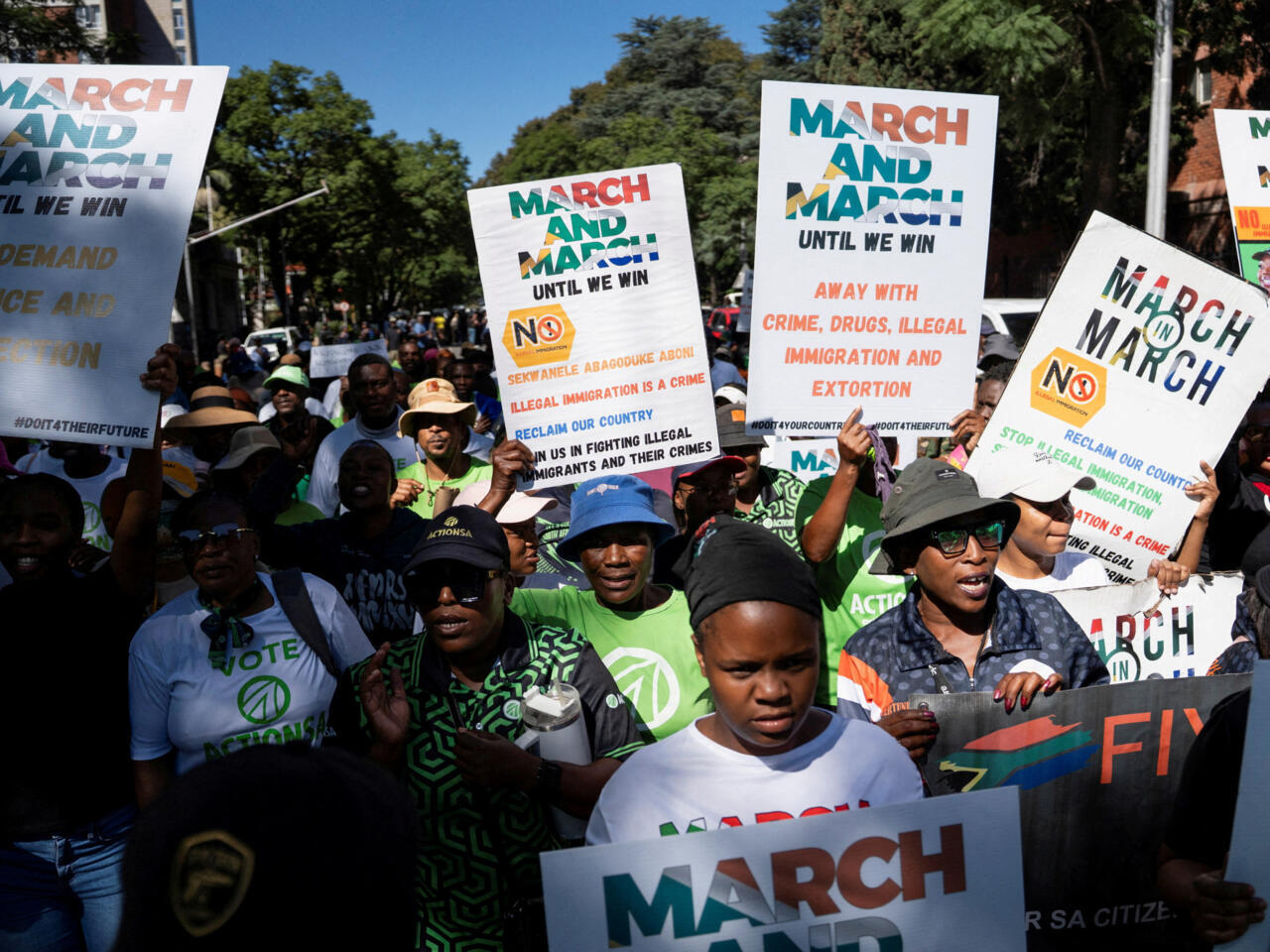
By Norman Mwale
A diplomatic rift is deepening between Mozambique and South Africa after reports emerged that five Mozambican nationals were killed during a fresh wave of xenophobic unrest — claims that Maputo says it cannot yet verify. The allegations surfaced as communities across Gauteng and the Western Cape reeled from days of looting, arson, and attacks targeting migrants, prompting several African governments to issue safety warnings to their citizens and sparking urgent talks between the two neighbours.
The unrest intensified on 31 May 2026, when riots tore through KwaNonqaba and Asla Park in Mossel Bay, Western Cape. Scores of residents fled their homes as buildings burned, and police confirmed that two murder dockets had been opened after a 19-year-old South African, Nhlamulo Sambo, was fatally stabbed — apparently after being mistaken for a foreigner. It was against this backdrop that reports began circulating on social media alleging that five Mozambican citizens had been killed in separate incidents across the country.
In response, Mozambican President Daniel Chapo travelled to Pretoria on Tuesday to meet South African President Cyril Ramaphosa and “call for calm.” Speaking to reporters after the meeting, Chapo struck a measured tone: “The official information we have so far is that no Mozambican has been affected by this situation, and we will continue to monitor it.” He cautioned against the spread of misinformation, noting that “information is circulating on social media that is not official — there are some videos that are not even from the current situation, and others are from entirely different countries.” He went on to remind both nations of their shared history, saying the two peoples “fought together against colonialism, against apartheid, and we must fight together to develop our countries.”
South Africa’s government has condemned the violence while also acknowledging public frustration over undocumented migration. A cabinet statement released on Thursday said: “South Africans are within their right to protest against the spiralling illegal immigration challenge, but violence linked to those protests is not acceptable, and law enforcement must deal with the instigators.” Presidency spokesperson Vincent Magwenya confirmed that discussions between Ramaphosa and Chapo covered “issues related to ongoing bilateral co-operation and security.”
The latest flare-up follows weeks of anti-immigrant marches across several provinces. Vigilante group Operation Dudula has led campaigns against undocumented migrants, including attempts to block them from accessing public health facilities. Other African governments have moved swiftly. Nigeria announced it was repatriating at least 130 citizens after two Nigerians were killed, while Ghana facilitated the safe return of a citizen who was targeted in a widely shared video. Kenya, Malawi, Lesotho, and Zimbabwe have all urged their nationals in South Africa to stay cautious and remain indoors.
Mozambique’s Secretary of State for Foreign Affairs, Maria de Fátima Manso, said her government had been watching the situation closely “for about two weeks,” ever since groups of South Africans began demonstrating against undocumented foreigners. She noted that more than 300,000 Mozambicans reside in South Africa and that, “at this delicate moment, they are facing terror, fear, and uncertainty about their future.”
Civil society voices have pushed back against the narrative blaming migrants for South Africa’s troubles. “Migrants are not the source of any of South Africa’s challenges. There are too few to make a substantial impact on employment or crime,” said Loren Landau, a senior migration researcher at the University of the Witwatersrand.
Meanwhile, the South African Police Service has increased patrols in flashpoint areas. However, SAPS intelligence documents suggest that Mozambican nationals had planned to blockade the Ressano Garcia and Ponta do Ouro border posts on 4 June in retaliation for the xenophobic attacks — a sign of how quickly tensions could escalate if left unchecked.
For now, Maputo maintains that no Mozambican deaths have been officially recorded, even as families and activists continue to share unverified reports online. With both governments pledging to “join efforts to discourage xenophobic acts,” the immediate priority remains de-escalation, accurate information, and above all, the protection of vulnerable communities on both sides of the border.
Similar Posts by The Mt Kenya Times:
- Mt Kenya Times ePAPER October 24-25, 2026
- Muturi calls on IEBC to keep election technology tender clean and on schedule
- Ruto meets UAE minister in push to deepen trade ties
- Gideon Moi breaks silence on Ruto fallout, cites broken promises
- The doctor who refused to abandon a sick Uganda
About the Author