
By: Kinya Gitonga
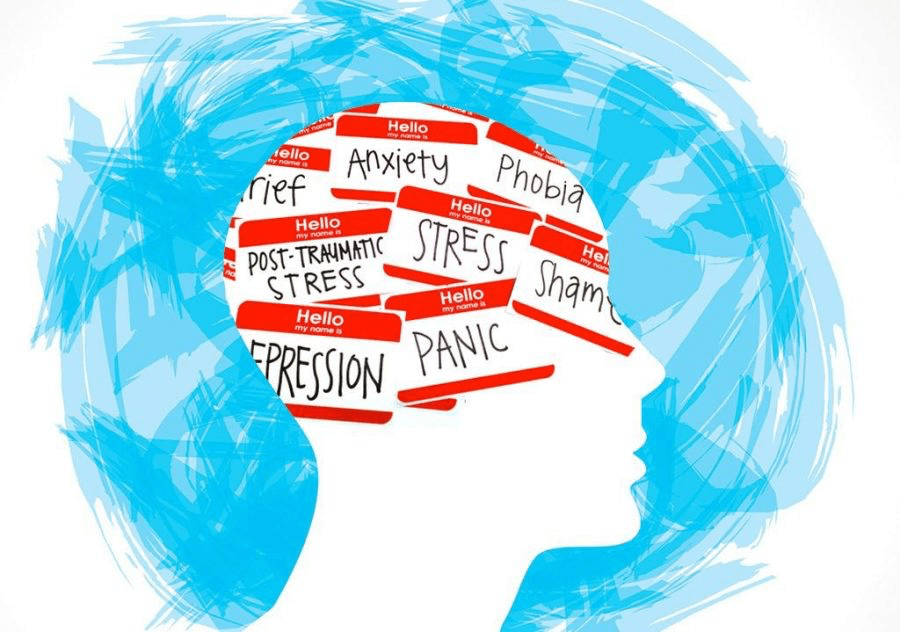
Depression and stress has today become a common illness that affects many Kenyans. It does not have an exception, individuals from all ages and backgrounds experience it. Statistics have shown that at least 25% outpatient and 40% inpatients attended to in different facilities have a mental illness. The most frequent diagnosis is depress, stress, anxiety as well as substance abuse disorder, which varies in severity.
According to WHO report 2014, Kenya was ranked 4th country with 1.9 million people having a condition. It is also reported that these cases rise rapidilyGood health is key to happiness and overall wellbeing. However, my research as an author has led me to conclude that many Kenyans do not have much knowledge and information on what mental health is as well as what mental illnesses are. They are unable to differentiate the two.
Mental health is cognitive, behavioral, and emotional well-being. It affects how we think, feel, and act while mental illnesses are conditions that affect your wellbeing. It also affects how an individual perceives the world around them as well as how they think and behave.
Mental wellness really determines overall health and socio-economic development of country. It influences community cohesion, work productivity, interactions among people, employment and earnings as well as improved quality life among others.
However, the country faces challenges in mental health management in the following ways;
The cost of treating mental health illness is very expensive in Kenya making it inaccessible to the millions of people who need assistance. Equally, there are less mental health practitioners. For instance, there are 100 psychiatrists and many of them are located within Nairobi. The rest are dispersed one psychiatrist per population making their services scarce.
Ignorance due to lack of information also contributes a lot to poor help seeking behaviors. This could be summed up by stigma and discrimination too on matters to do with mental health. Majority of individuals especially in rural areas do not really explore this topic. To be specific, men keep quiet about it in a bid to avoid being vulnerable and as a way of upholding masculinity. Schools are embracing wellness talks but the counselling departments are barely utilized.
It will be important for all health stakeholders to take up mental health as a serious health issue. They need to undertake intensive awareness campaigns on the condition, prevention, early symptoms and management and treatment services. The Government should also allocate more funding to mental health services and train health workers at all levels to manage and treat mental Health Challenges. At the community level, grassroots advocacy present both opportunity for empowerment towards demystifying stigma and influencing policy through ground up advocacy to effectively address the challenge. This needs engaging the community and the society as a whole.
Created by Psychologist Kinya Gitonga.
She is an author of The How’s of Anger and Thrive. Reach out via Kinya N Gitonga across all platforms.
Similar Posts by The Mt Kenya Times:
- Mt Kenya Times ePAPER September 19-20, 2026
- Kenya joins US and UK to put citizens on the terrorism frontline
- Kenya’s parliament races to tame the AI frontier
- Kalonzo calls Ruto to order over Uhuru attacks
- Gachagua takes his 2027 campaign to America
About the Author