The Mt Kenya Times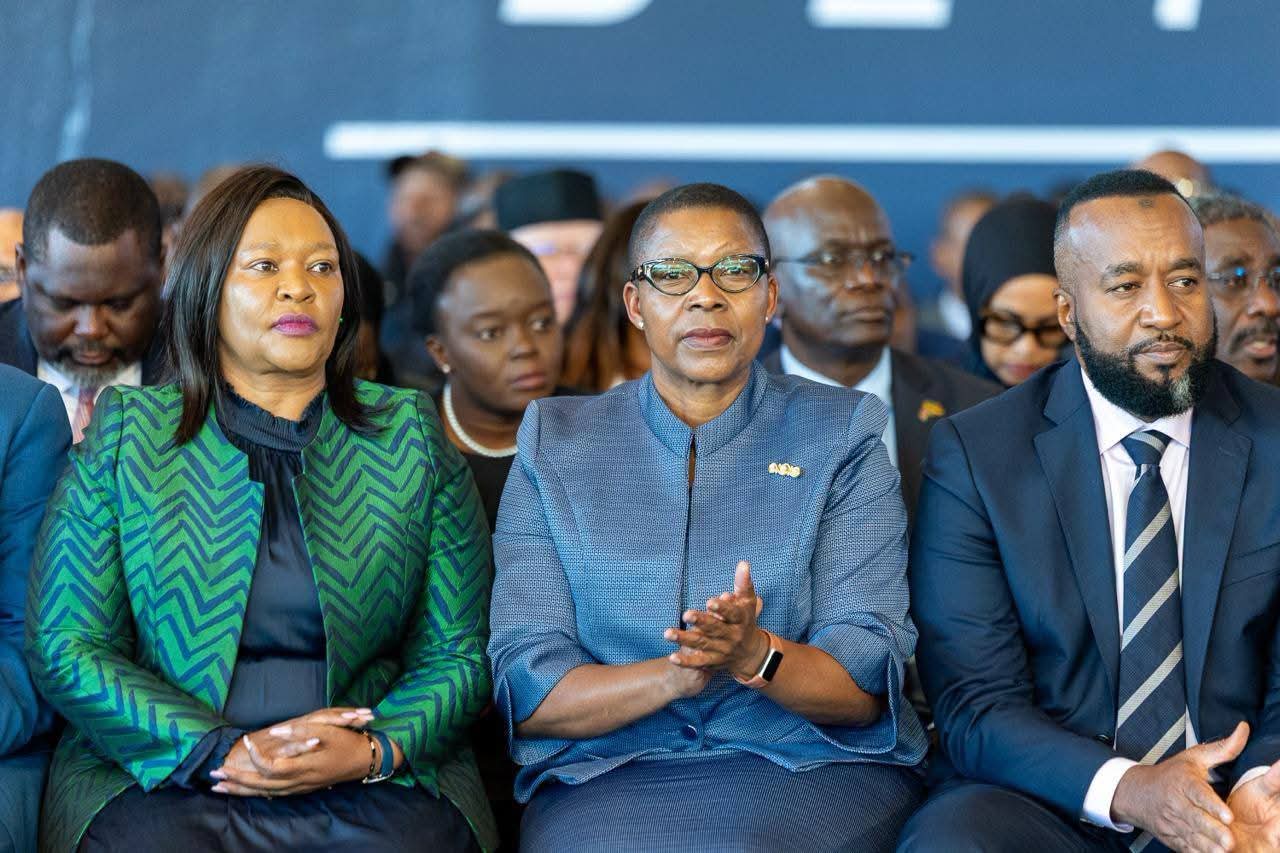
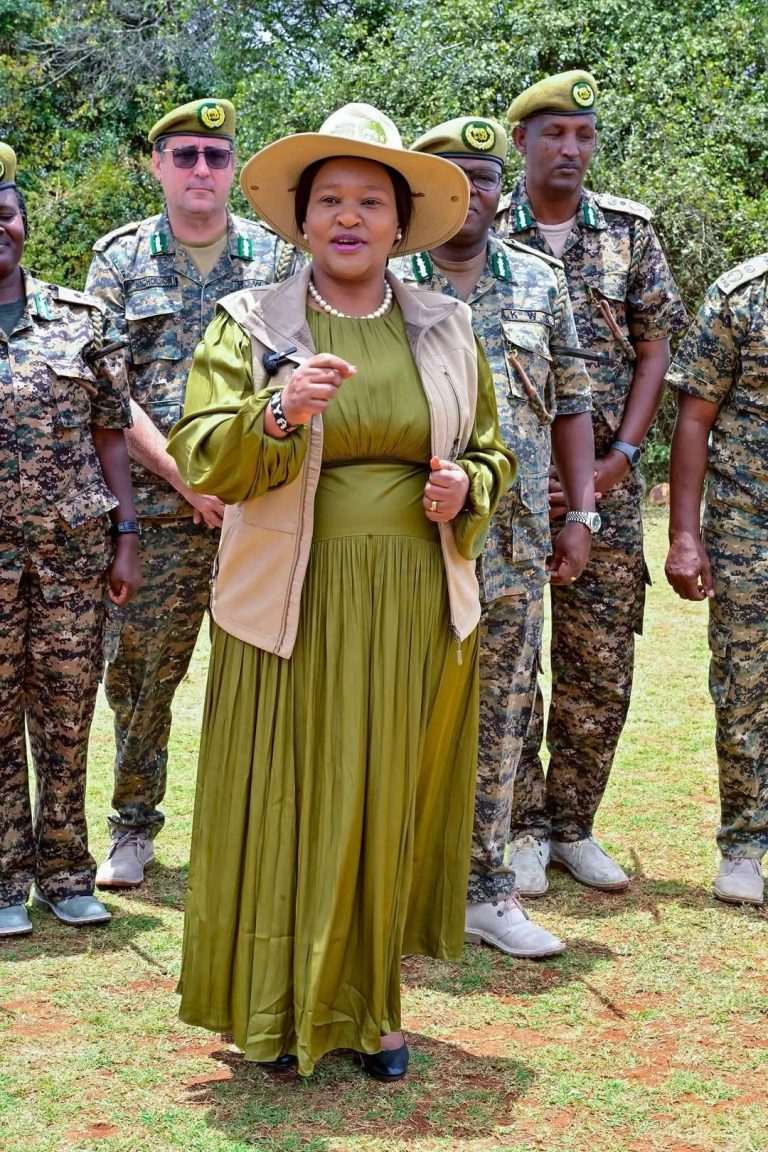
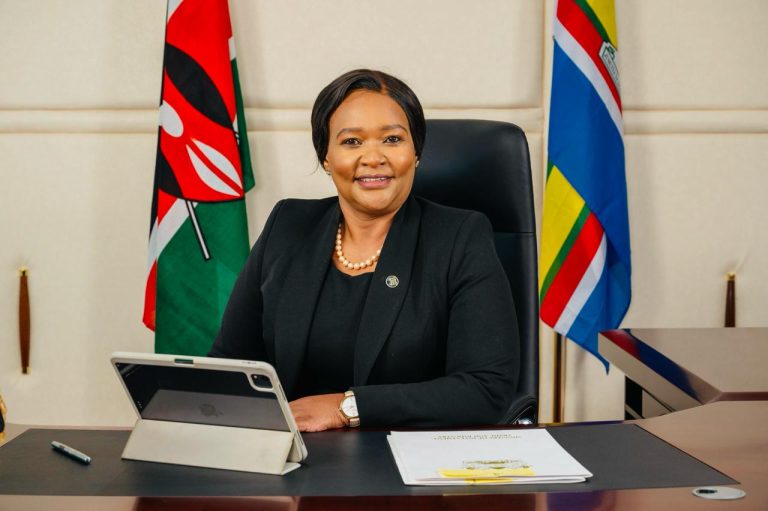
Tourism and Wildlife Cabinet Secretary Rebecca Miano (L)
Tourism and Wildlife Cabinet Secretary Rebecca Miano has placed tourism and wildlife conservation at the centre of Kenya’s long-term economic agenda, outlining an ambitious strategy to transform the sector into a primary driver of inclusive growth.
By John Kariuki
Tourism and Wildlife Cabinet Secretary Rebecca Miano yesterday joined President William Ruto, Deputy President Kithure Kindiki and national and county leaders at the launch of the Beyond 2030 National Conversation at the Kenyatta International Convention Centre in Nairobi, using the platform to lay out a sweeping vision for repositioning tourism as a cornerstone of Kenya’s economic future.
For Miano, the forum represents more than a policy discussion. It is, in her framing, a historic opportunity to redefine what Kenya’s economy can look like in the decades ahead — and to ensure that tourism and wildlife conservation are no longer treated as peripheral earners but as central pillars of national transformation.
The targets she is pursuing are significant. Under her stewardship, Kenya is working to scale tourism’s contribution to more than 12 per cent of GDP, with an annual economic value target of KSh1.2 trillion — roughly US$9B — while creating more than 2.5 million direct jobs for young people and local communities. The figures are ambitious by any measure, but Miano has been consistent in arguing that ambition is precisely what the moment requires.
“The tourism sector of tomorrow cannot rely solely on the models of yesterday,” she has said. “It must be smarter, greener, more inclusive and more technologically advanced.”
Her agenda reflects that conviction. Miano has placed technology and innovation at the heart of her strategy, championing artificial intelligence-driven conservation, smart park management systems, green mobility solutions and digital travel platforms. The vision is of a modern tourism ecosystem that embraces the tools of the future without compromising the natural heritage that makes Kenya extraordinary in the first place.
That balance — between economic growth and environmental responsibility — runs through everything Miano has articulated since taking office. She has been deliberate in rejecting the idea that conservation and development are competing priorities. Properly integrated, she argues, they reinforce each other, creating a durable engine of sustainable prosperity rather than a short-term extractive model that depletes the very resources it depends upon.
Kenya’s tourism strength, in her assessment, lies not only in its iconic wildlife and landscapes. It lies equally in its people, communities, culture and hospitality — the human texture of the country that no marketing campaign can manufacture. Ensuring that the benefits of the sector reach those communities, rather than flowing primarily to large operators and foreign investors, has emerged as a defining theme of her tenure.
The ambition to position Magical Kenya as a premier sustainable global destination is, in this context, more than a branding exercise. It is a statement of strategic intent — one that connects conservation policy, community development, youth employment and technological modernisation into a single coherent framework.
Tourism, Miano has noted, touches an unusually wide range of economic activity. From hospitality and transport to conservation, culture, technology and the creative industries, the sector’s value chain has the potential to improve millions of Kenyan livelihoods — many of them belonging to young people for whom formal employment has remained elusive.
At a time when Kenya must generate meaningful work for a rapidly growing youth population, that breadth matters enormously. Miano’s leadership has been notable for its recognition of this interconnectedness — its insistence that tourism policy is, at its core, also labour policy, environmental policy and community policy.
Her participation in the Beyond 2030 conversation arrives at a critical juncture. As Kenya reflects on the achievements and shortcomings of Vision 2030 and looks ahead to the following decades, the country needs leaders capable of imagining possibilities beyond the familiar. Miano has demonstrated that capacity.
She brings to the tourism and wildlife portfolio institutional experience, strategic clarity and a genuine appreciation of what makes Kenya’s natural and cultural heritage worth protecting. The targets are bold. The framework is credible. The question now is whether the resources, political will and institutional coordination required to deliver it can be assembled in time.
Under Miano’s watch, at least, the sector knows where it is headed.
Similar Posts by The Mt Kenya Times:
- Mt Kenya Times ePAPER September 30, 2026
- Ruto mocks UNGA critics: “That requires someone with sense”
- Media warns: Information gaps fuel 2027 disinformation risk
- Gachagua’s DCP holds strategic NEC meeting ahead of 2027 polls
- Sifuna’s unending party ownership hurdles
About the Author