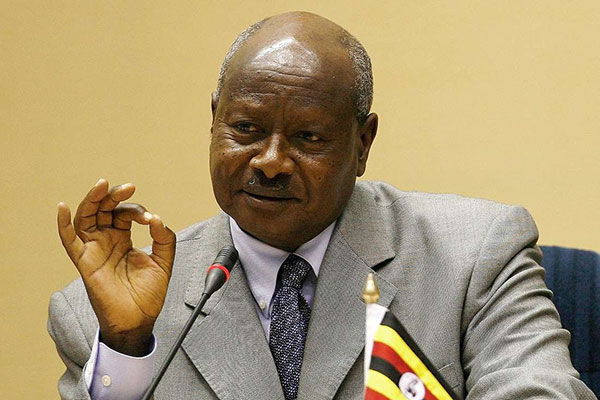
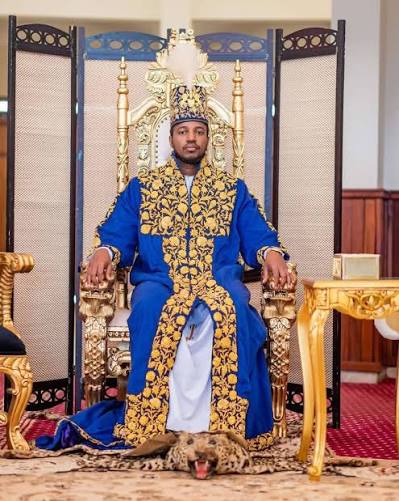
Raila Odinga (Kenya), Richard Randriamandrate (Madagascar), and Mahmoud Ali Youssouf (Djibouti)

By: James Kilonzo Bwire
Worth Noting:
- The live broadcast of the debate across various platforms ensures that citizens from all AU member states can engage with the discussions. The Information and Communication Directorate (ICD) of the AU has arranged for public broadcasters to carry the live broadcast from 16:00 to 18:00 GMT. This accessibility reinforces the importance of an informed citizenry, allowing voters to hold their leaders accountable and demand solutions to their most pressing issues.
- Moreover, Mjadala Afrika serves as a platform for youth engagement, as many young Africans are eager to participate in shaping their future. The involvement of youth in political discussions is vital for fostering a new generation of leaders who understand contemporary challenges and can innovate solutions.
The Mjadala Afrika debate on December 13, 2024, at the African Union (AU) headquarters in Addis Ababa marks a pivotal moment for African political discourse. Candidates Raila Odinga from Kenya, Mahmoud Ali from Djibouti, and Richard Randriamandrate from Madagascar will articulate their visions for the AU’s future amid pressing continental challenges such as climate change, economic disparity, and security threats. This debate is not just a platform for candidates but a critical juncture for the African populace to engage with their leaders.
This debate represents a significant opportunity for democratic engagement in Africa. It allows candidates to address the public directly while fostering transparency and accountability. The interactive format encourages citizen participation, enabling questions from the audience to shape the discourse, thereby enhancing democratic practices across the continent. The debate will feature a panel of candidates responding to questions posed by two moderators—one English and one French speaking—along with online participants, ensuring a diverse range of voices are heard. This inclusivity is vital in a continent marked by linguistic and cultural diversity.
As Africa navigates a rapidly changing global landscape, the candidates’ proposals will be crucial in aligning with Agenda 2063, which envisions an integrated and prosperous continent. This agenda emphasizes sustainable development, peace, and security, making it essential for candidates to present actionable plans that resonate with the aspirations of African citizens. The debate will focus on policy issues and solutions-oriented engagement regarding how each candidate intends to advance the realization of Agenda 2063’s goals.
The live broadcast of the debate across various platforms ensures that citizens from all AU member states can engage with the discussions. The Information and Communication Directorate (ICD) of the AU has arranged for public broadcasters to carry the live broadcast from 16:00 to 18:00 GMT. This accessibility reinforces the importance of an informed citizenry, allowing voters to hold their leaders accountable and demand solutions to their most pressing issues.
Moreover, Mjadala Afrika serves as a platform for youth engagement, as many young Africans are eager to participate in shaping their future. The involvement of youth in political discussions is vital for fostering a new generation of leaders who understand contemporary challenges and can innovate solutions. Social media campaigns have also been launched to amplify conversations around the event, encouraging public participation through watching and submitting questions during the debate.
Mjadala Afrika is not a new concept; it was first introduced in 2016 as part of a broader effort to enhance democratic practices within the AU. The inaugural debate allowed candidates vying for the position of Chairperson of the African Union Commission (AUC) to present their visions directly to African citizens. Following its success, this initiative has become a staple in AU elections, reinforcing transparency and encouraging public engagement.
The significance of this debate is heightened by its timing; with elections scheduled for February 2025, it provides a critical platform for candidates to outline their policy priorities and engage with voters on pressing issues. As the current leadership of the AU Commission prepares for transition, this debate will play a crucial role in informing African citizens about candidates’ policies and priorities.
Each candidate brings unique experiences and perspectives that reflect their respective countries’ challenges. Raila Odinga (Kenya), at 79 years old, boasts extensive political experience as a former Prime Minister and opposition leader. His campaign emphasizes democratic reforms and regional integration. Despite criticisms regarding his age and past debates’ effectiveness, he aims to leverage his experience to garner support across Africa.
Mahmoud Ali Youssouf (Djibouti), serving as Djibouti’s Foreign Minister since 2005, focuses on security cooperation and economic development initiatives that aim to enhance regional stability. His diplomatic background positions him well to address international relations within Africa.
Richard Randriamandrate (Madagascar), at 55 years old, represents a younger generation of leadership prioritizing sustainable development and environmental protection—issues that resonate deeply with younger voters concerned about climate change.
With significant media attention expected, Mjadala Afrika will attract viewers across the continent. The AU has made arrangements for live broadcasts on various platforms, including public broadcasters in all 55 member states. This openness is vital for fostering a well-informed citizenry and promoting accountability.
In addition to traditional media coverage, social media platforms will play an essential role in engaging younger audiences. Campaigns on platforms like Twitter, Facebook, and Instagram encourage citizens to participate actively by submitting questions and sharing their views on candidates’ proposals.
As anticipation builds for this landmark event, it is essential to recognize that Mjadala Afrika is not merely a debate; it is an opportunity for African leaders to inspire hope and articulate strategies for a brighter future. Engaging in this dialogue is essential for building a united and resilient Africa that can tackle its challenges head-on while fostering an environment where democratic values thrive.
The stakes are high as candidates prepare for this crucial event that could shape not only their futures but also that of Africa itself. By participating in Mjadala Afrika, they have an opportunity to connect with citizens directly and demonstrate their commitment to addressing the continent’s most pressing issues through collaborative leadership underpinned by democratic principles.
Ultimately, Mjadala Afrika stands as a testament to Africa’s commitment to democracy and good governance. As citizens tune in from across the continent, they will not only witness political rhetoric but also engage in shaping their collective future—a future that hinges on informed choices made today during this critical debate.
James Kilonzo Bwire is a Media and Communication Practitioner.
Similar Posts by The Mt Kenya Times:
- Why James 3:1 prescribes the harshest judgment for teachers
- City stay perfect as late Cunha goal saves United
- Passaris joins walk for dignity: Nairobi representative backs campaign for incontinence support
- Diaspora Times Global Sep 19 – Sep 25, 2026
- Tibet’s glacial catastrophe: Behind Beijing’s wall of silence, a climate disaster reshapes a region
About the Author