Navigating Change: President Ruto’s Vision For A Resilient Kenya
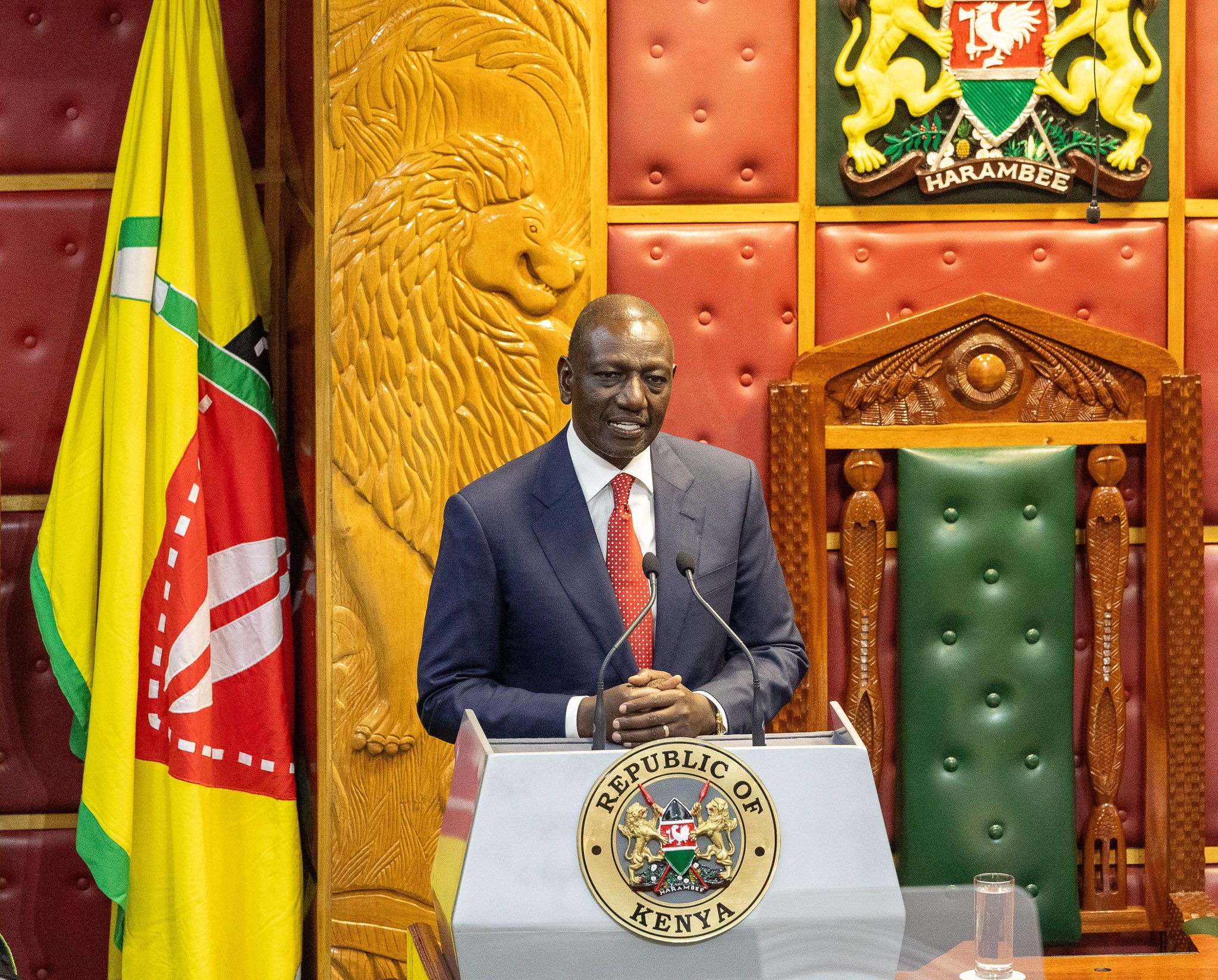
President William Ruto’s State Of The Nation Address

By: James Kilonzo Bwire
Worth Noting:
- On employment initiatives, Ruto announced that over 105,000 Kenyans have been facilitated to secure jobs abroad since July 2023. This effort is part of a broader strategy to combat local unemployment, particularly among the youth, who represent a significant portion of the population.
- The government is also set to disburse Sh3.7 billion to settle historical debts owed to public, private, and faith-based medical facilities. This financial allocation aims to enhance healthcare service delivery, addressing long-standing issues within the sector.
- Furthermore, Ruto’s administration has pledged to ensure that Kenyans seeking work abroad will receive their passports within a week and that their travel expenses will be covered by the government. This proactive approach not only alleviates domestic unemployment but also empowers Kenyans to seek better opportunities internationally.
In his State of the Nation Address on November 21, 2024, President William Ruto outlined a series of significant initiatives aimed at addressing pressing national issues in Kenya. One of the most notable announcements was the cancellation of the contentious Adani deal, where Ruto directed the Energy and Transport ministries to halt ongoing procurement processes related to the expansion of Jomo Kenyatta International Airport (JKIA) and the KETRACO contract. This move is seen as a step towards enhancing transparency and accountability in governance, responding to public concerns about corruption and mismanagement in major infrastructure projects. By taking this bold action, Ruto signals a commitment to prioritizing the interests of Kenyans over foreign investments that may not align with national priorities.
Ruto also addressed the critical issue of extrajudicial killings, urging citizens to report any information regarding such cases, as well as abductions and femicides, to the Directorate of Criminal Investigations (DCI) and the Independent Policing Oversight Authority (IPOA). This call for public involvement highlights the government’s commitment to ensuring accountability within law enforcement agencies and addressing human rights abuses. By fostering a culture of reporting and engagement, Ruto aims to restore public trust in security institutions, which have faced scrutiny over their handling of human rights issues. This initiative is crucial in a country where many citizens feel marginalized by law enforcement practices.
On employment initiatives, Ruto announced that over 105,000 Kenyans have been facilitated to secure jobs abroad since July 2023. This effort is part of a broader strategy to combat local unemployment, particularly among the youth, who represent a significant portion of the population. The government is also set to disburse Sh3.7 billion to settle historical debts owed to public, private, and faith-based medical facilities. This financial allocation aims to enhance healthcare service delivery, addressing long-standing issues within the sector. Furthermore, Ruto’s administration has pledged to ensure that Kenyans seeking work abroad will receive their passports within a week and that their travel expenses will be covered by the government. This proactive approach not only alleviates domestic unemployment but also empowers Kenyans to seek better opportunities internationally.
Economic indicators presented during the address were promising; Kenya’s foreign exchange reserves reached a record $9.4 billion, providing a robust import cover of 4.8 months—the highest in a decade. Additionally, the Kenyan shilling has appreciated significantly from Ksh 162 in February 2024 to Ksh 129 today, while inflation has dropped to a remarkable 2.7%, marking the lowest rate in 17 years. These indicators reflect positive economic trends that could bolster investor confidence and stabilize the economy. However, despite these figures, many ordinary Kenyans continue to struggle with high living costs; thus, translating these economic gains into tangible benefits for citizens remains an ongoing challenge.
In terms of agricultural support, Ruto highlighted that the government has distributed 7 million bags of fertilizer to enhance food production. Furthermore, all sugar factories across Kenya are now operational for the first time in recent history, successfully meeting local demand. This agricultural push is crucial for food security and rural development, particularly as Kenya grapples with climate change challenges that threaten crop yields. The emphasis on agriculture not only addresses food security but also supports rural economies that are vital for national stability.
Education reforms were also a focal point of Ruto’s address. The administration has hired 56,000 teachers and plans to recruit an additional 20,000 by January 2025. A new funding model for higher education prioritizes vulnerable students, ensuring that financial barriers do not hinder access to education for those in need. This initiative is particularly significant given that education remains a cornerstone for economic mobility and national development. Additionally, Ruto’s commitment to improving digital literacy through fiber optic connectivity rollout across the country aims to equip young people with skills necessary for remote work opportunities—an essential strategy in today’s digital economy.
Ruto’s administration has also committed to improving digital infrastructure by rolling out fiber optic connectivity across the country and establishing digital hubs in every ward. This initiative aims not only to enhance internet access but also to foster innovation among young people by providing them with tools necessary for entrepreneurship and remote work opportunities. In an era where digital skills are paramount for job creation and economic growth, this focus on technology could position Kenya as a leader in Africa’s digital transformation.
Overall, these initiatives reflect President Ruto’s commitment to tackling economic challenges while enhancing governance and public service delivery in Kenya. However, the effectiveness of these measures will ultimately depend on their implementation and the government’s ability to maintain transparency and accountability moving forward. The success of these initiatives will be closely monitored by both citizens and analysts as they assess whether they translate into tangible improvements in the lives of ordinary Kenyans.
As Kenya stands at this crossroads of potential transformation under Ruto’s leadership, it is imperative that citizens remain engaged and hold their leaders accountable. The journey towards a resilient economy requires collective effort from both the government and its citizens—an endeavor that will define Kenya’s future trajectory. By fostering an inclusive environment where all voices are heard and valued, Kenya can navigate its challenges effectively while building a sustainable future for all its people.
James Kilonzo Bwire is a Media and Communication Practitioner.
Similar Posts by The Mt Kenya Times:
- Light at last: How electricity is reshaping Nandi and Uasin Gishu
- The triple squeeze: how EPRA’s fuel price hike is reshaping the survival equation for the common mwananchi
- Zelenskyy accuses Trump of rewarding Putin as Pope pleads for peace from a hospital bed
- Mashujaa Day 2026: What does Kenya owe the heroes it exports?
- My Mother Tongue — The Most Sacred Voice Of My Heart
About the Author