Navigating Political Tensions: The Rift Between Gachagua And Sudi
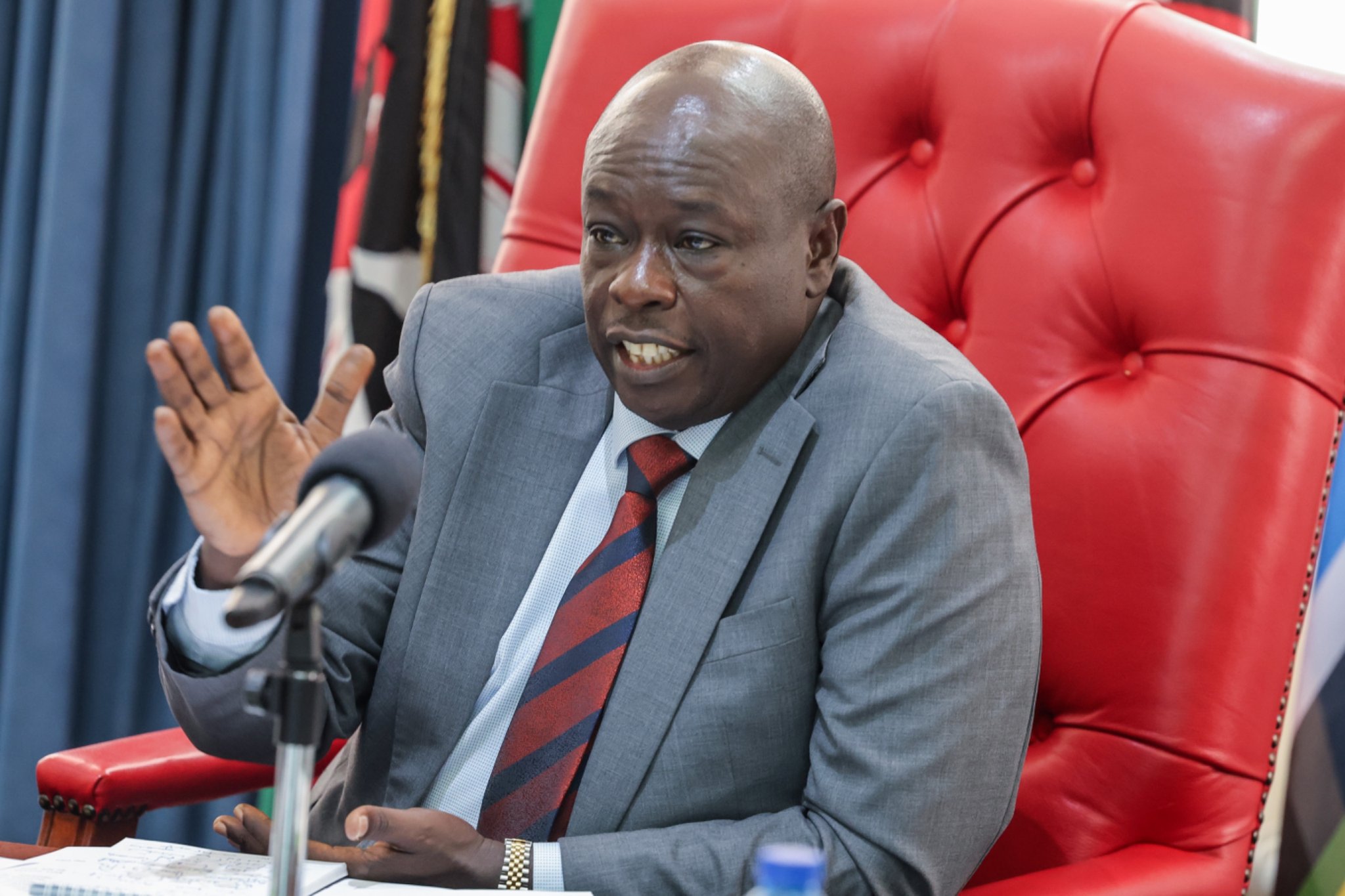
Deputy President Rigathi Gachagua

By: James Kilonzo Bwire
The political landscape in Kenya is increasingly fraught with tensions, particularly within the ruling Kenya Kwanza administration, as evidenced by the recent exchange between Deputy President Rigathi Gachagua and Kapsaret MP Oscar Sudi. Gachagua’s call for unity among leaders from the Rift Valley has been met with resistance from Sudi, who has firmly asserted his right to engage with constituents across the country, emphasizing that political engagement is crucial for government success.
Gachagua’s remarks, made during a church function, criticized certain leaders for what he termed “political tourism,” urging them to focus on their constituencies instead. He questioned the motives of those who travel extensively to support various initiatives, suggesting that such actions divert attention from local issues. In response, Sudi defiantly stated, “You cannot control where I go,” highlighting the necessity for politicians to connect with voters nationwide to build support. This exchange underscores a fundamental disagreement about the role of political engagement in a rapidly evolving electoral environment.
Sudi’s insistence on crisscrossing the country to support vulnerable groups and churches reflects a broader strategy aimed at maintaining visibility and relevance in a competitive political arena. His defense of his funding sources further emphasizes his commitment to transparency and accountability, countering accusations of impropriety that have arisen amid Gachagua’s criticisms. By asserting that he learned the importance of supporting churches from President William Ruto, Sudi positions himself as a leader grounded in community service rather than mere political maneuvering.
This back-and-forth highlights the growing factionalism within the Kenya Kwanza coalition. Gachagua’s push for unity among Mt. Kenya leaders is not merely a call for collaboration; it is also a strategic maneuver aimed at consolidating power and influence in light of rising challenges from within the party. The Deputy President’s emphasis on regional solidarity is rooted in the belief that unity will enhance their bargaining power at the national level, especially as they prepare for upcoming electoral battles.
However, Sudi’s refusal to be intimidated by Gachagua’s calls for solidarity suggests an emerging rift that could have significant implications for the coalition’s cohesion. His comments indicate a commitment to maintaining political independence while still supporting President Ruto, reflecting a desire to balance personal agency with collective goals.
As these dynamics unfold, both leaders must navigate their respective positions carefully to avoid further division within their ranks. The stakes are high; with elections looming on the horizon, maintaining a united front will be essential for both Gachagua and Sudi if they hope to secure their political futures and that of their party.
Ultimately, this exchange serves as a microcosm of the broader challenges facing Kenyan politics today. As leaders grapple with issues of loyalty, representation, and political strategy, it remains crucial for them to find common ground while respecting individual ambitions. The path forward will require not only dialogue but also a genuine commitment to addressing the concerns of constituents across all regions, ensuring that no voice goes unheard in the pursuit of national unity and development.
James Kilonzo Bwire is a Media and Communication practitioner.
Similar Posts by The Mt Kenya Times:
- Dolly Parton: A life that gave more than it took
- Porsche 911 GT3: The driver’s car that defies the spec sheet
- Name, shame, ban: Police put violent political actors on notice ahead of 2027
- Kanja puts recruits through their paces ahead of Kiganjo passing-out
- Humbelani Priscilla Nemanzemba: Building Africa’s entrepreneurial future, one business at a time
About the Author