Navigating The Complexities Of Impeachment: A Look At The Grounds For Removing Kenya’s Deputy President
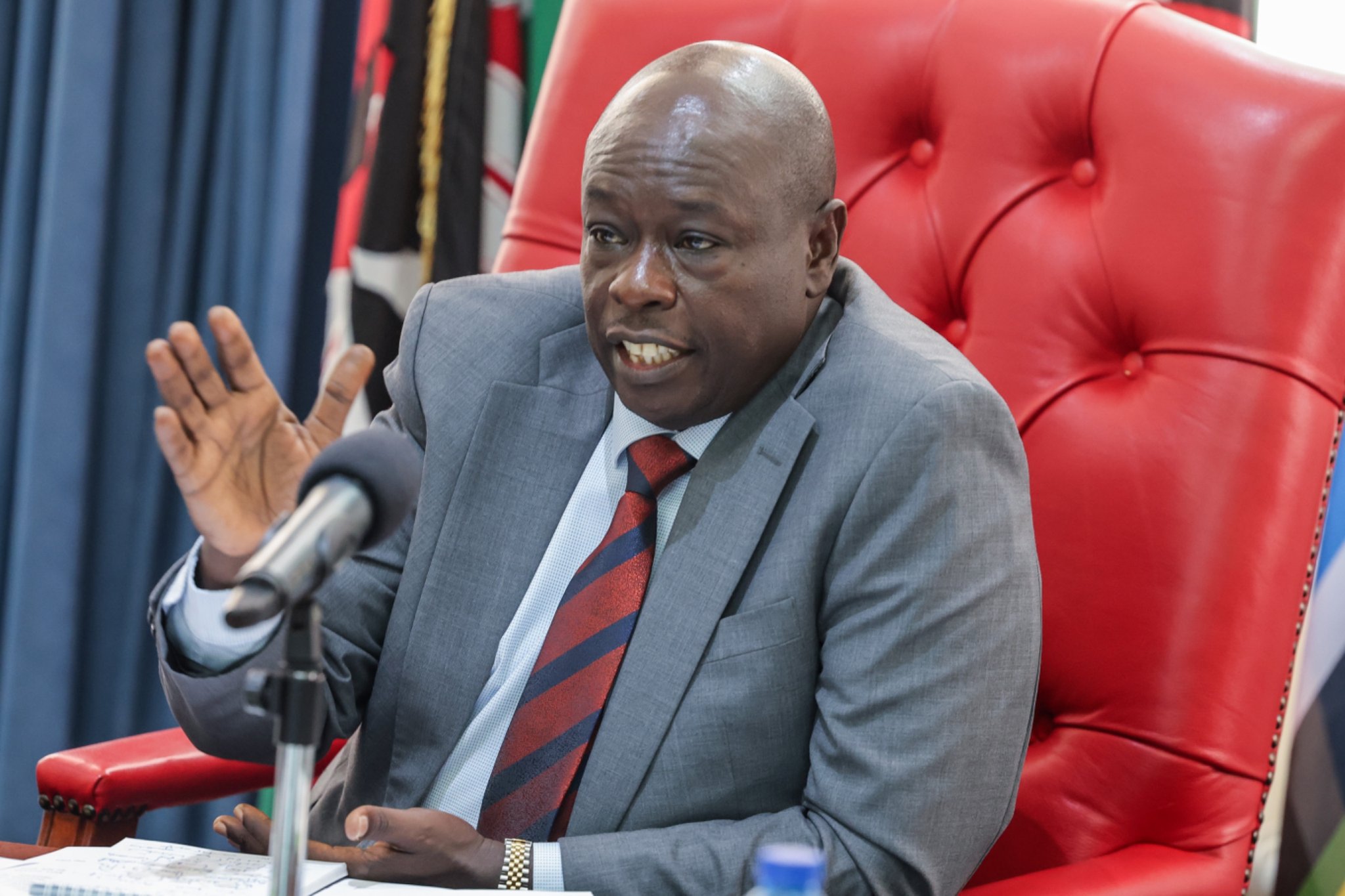
Deputy President Rigathi Gachagua

By: James Kilonzo Bwire
The political landscape in Kenya is often marked by intense rivalries and power struggles, and the ongoing discussions surrounding the potential impeachment of Deputy President Rigathi Gachagua have brought these dynamics to the forefront. As calls for his removal gain traction, it is essential to understand the constitutional framework governing the impeachment process for a Deputy President in Kenya. This framework not only outlines the grounds for impeachment but also reflects broader themes of accountability and governance in the country.
According to the Kenyan Constitution, there are two primary grounds for impeaching a Deputy President: physical or mental incapacity to perform the functions of the office, and impeachment based on specific violations or misconduct. These provisions are crucial in ensuring that leaders are held accountable for their actions while also safeguarding against arbitrary removals that could undermine democratic processes.
The first ground for impeachment is physical or mental incapacity. This provision allows members of the National Assembly to initiate a motion if there are concerns about a Deputy President’s ability to fulfill their duties due to health issues. Such a motion requires support from at least a quarter of all members of the National Assembly, emphasizing the need for collective agreement before proceeding with investigations into a leader’s capacity. This process underscores the importance of due diligence and fairness in assessing a leader’s ability to serve.
The second ground is impeachment based on gross violation of the Constitution or any other law, serious allegations of criminal activity under national or international law, or gross misconduct. This broad category allows for a range of accusations, from ethical breaches to criminal conduct, providing flexibility in addressing various forms of misconduct that may arise during a Deputy President’s tenure. The inclusion of serious criminal allegations reflects an understanding that leaders must adhere to both legal and ethical standards.
The impeachment process begins when a member of the National Assembly moves a motion supported by at least one-third of its members. If this threshold is met, the Speaker must inform the Senate, which then has seven days to appoint a special committee to investigate the allegations. This committee plays a critical role in determining whether there is sufficient evidence to warrant further action.
Once appointed, the committee has ten days to report back to the Senate on whether the allegations have been substantiated. If they find no grounds for impeachment, further proceedings cease, allowing the Deputy President to continue in office. However, if they substantiate the claims, the Senate will convene to vote on each charge against the Deputy President after giving them an opportunity to defend themselves.
For impeachment to succeed, at least two-thirds of all Senators must vote in favor. This high threshold reflects an understanding that removing a sitting Deputy President is a significant action that should not be taken lightly. It ensures that such decisions are made with broad consensus rather than partisan interests. The requirement for substantial evidence and support underscores the seriousness of impeachment as a political tool.
The current discussions around Gachagua’s potential impeachment highlight deeper political fractures within Kenya’s ruling coalition. Allegations against him include undermining President William Ruto’s leadership and causing divisions within their administration. The political narrative surrounding Gachagua has evolved into one where he positions himself as a victim of political machinations aimed at destabilizing his office.
Kalonzo Musyoka’s assertion that any impeachment motion against Gachagua should also implicate Ruto underscores this narrative of collective responsibility among leaders. By framing it this way, he not only defends Gachagua but also challenges Ruto’s leadership and accountability within their coalition. This dynamic raises questions about loyalty and trust within political alliances, revealing how quickly relationships can sour in Kenya’s volatile political environment.
The potential fallout from an impeachment could further strain relationships among leaders who once presented a united front. It also reflects broader societal sentiments regarding accountability; many Kenyans are increasingly demanding transparency and integrity from their leaders. The public’s growing impatience with corruption and mismanagement makes it imperative for politicians to act responsibly and transparently.
As discussions about impeachment unfold, civil society organizations play an essential role in advocating for transparency and accountability in governance. Their involvement can help ensure that any impeachment proceedings are conducted fairly and transparently, allowing for public participation and scrutiny throughout the process. Civil society can serve as a watchdog against political manipulation during these proceedings, ensuring that due process is followed.
Given that impeachment is inherently political, it is crucial that stakeholders remain vigilant to prevent abuses of power or attempts to sidestep accountability through partisan maneuvering. The involvement of civil society can help maintain public trust in democratic processes during such turbulent times.
The implications of Gachagua’s potential removal extend beyond his personal fate; they could reshape Kenya’s political landscape significantly. If he is impeached, it would set a precedent regarding how leaders are held accountable for their actions while in office. Conversely, if he survives this challenge, it may embolden other leaders who might feel insulated from scrutiny due to their positions.
Ultimately, Kalonzo Musyoka’s assertion that any impeachment motion against Gachagua should include President Ruto encapsulates a critical moment in Kenyan politics. It challenges leaders to reflect on their collective responsibilities while urging citizens to remain engaged in holding their leaders accountable. As Kenya navigates these turbulent waters, it is imperative that all parties prioritize governance over political expediency, fostering an environment where ethical leadership can thrive.
In conclusion, the grounds for impeaching Kenya’s Deputy President are clearly defined within the Constitution, reflecting both accountability mechanisms and protections against arbitrary removal from office. As Rigathi Gachagua faces potential impeachment amidst serious allegations, it is vital for all stakeholders—politicians, civil society, and citizens—to engage thoughtfully with this process.
As Kenyans watch these developments closely, they will undoubtedly weigh their implications on future governance and leadership standards in an increasingly complex world. The outcome could either reinforce or undermine public trust in political institutions depending on whether leaders prioritize accountability over political expediency. In this critical juncture for Kenyan democracy, how leaders navigate these challenges will determine not only their political futures but also set standards for governance moving forward.
James Kilonzo Bwire is a Media and Communication Practitioner.
Similar Posts by The Mt Kenya Times:
- Utumishi girls fire and the search for justice
- Mt Kenya Times ePAPER September 21, 2026
- Gachagua accuses Ruto of using UNGA trip to seal niobium deal in Kwale
- Ichung’wah turns Uhuru’s ‘sponyo’ joke into a policy attack
- Kuria’s rebuke of Kindiki on brews reopens the wound Gachagua left behind
About the Author