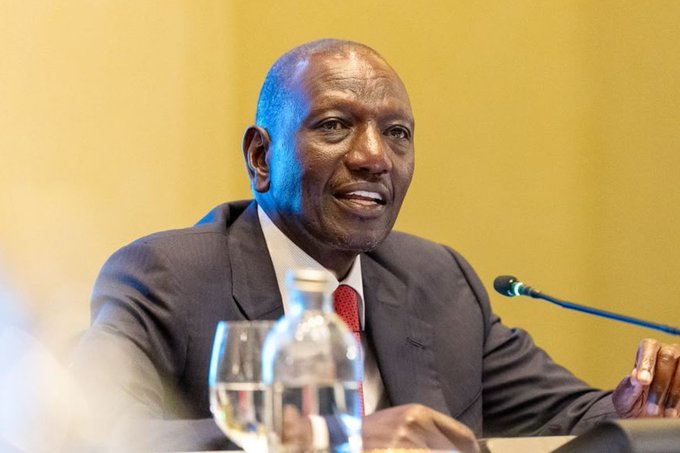
The Ethics and Anti-Corruption Commission (EACC) in Kenya has emphasized the importance of electing leaders with integrity as a significant challenge in the fight against corruption. EACC chairperson Bishop David Oginde and the commission’s CEO Twalib Mbarak have noted that corrupt leaders have abused their positions to dilute the fight against graft in the country. Some lawmakers are pushing for legislation and amendments that pose impediments to the fight against corruption, such as removing procurement bridges from legal redress and exempting individuals convicted over corruption cases from seeking elective positions or serving in public office. The commission has also called for strengthening legal structures and systems to effectively fight against graft. The EACC will not relent in its fight against graft, stating that no nation has thrived through shortcuts like corruption, gambling, and fraud. The commission has also called for automation in service provision to reduce physical contacts and reduce corruption risks.
 Peace elders in Ijara Sub County, Garissa County, have reconciled two warring sub clans over injuries they caused. The talks took place after a violent conflict during a traditional dance. The conflict escalated when women selling milk tried to retaliate, causing injuries to six people. The warring clans have compensated and treated the injured, some of whom are recovering. Ijara Deputy County Commissioner Wachira Cheboi called for restraint among communities and for chiefs to be vigilant to prevent future incidents.
 1500 orphans from 29 children’s homes in Machakos County celebrated an early Christmas party at the Machakos people’s park. County Governor Wavinya Ndeti and the Department of Tourism and Culture hosted the event. She assured the orphans that they were in safe hands and that she would ensure they enjoyed their childhood and received a quality education. Wavinya emphasised that education is a fundamental right for every child and committed to providing the necessary support to help them achieve their life aspirations. She urged the orphans to work harder in school, remain focused, and improve their grades for a bright future. She also praised the children’s guardians, sponsors, and partners for their support.
 The government has announced plans to provide 20,000 sexed semen to local farmers at a price less than Sh3,000 by the end of this year, as part of an ambitious programme to double milk production in the country within the next two to three years. Agriculture and Livestock Development CS Mithika Linturi assured farmers that the semen would be given out as a Christmas gift. The government is also working on embryo transfer breeding technology, which will give farmers high-quality cow breeds in a shorter time. The government has also encouraged farmers to take short courses at the Kaimosi Farmers Training College (FTC) to learn about balanced feeds and general farming routine practices. The institute is working closely with the County Government of Nandi and the National Government to ensure it becomes the centre of agriculture knowledge in the region.
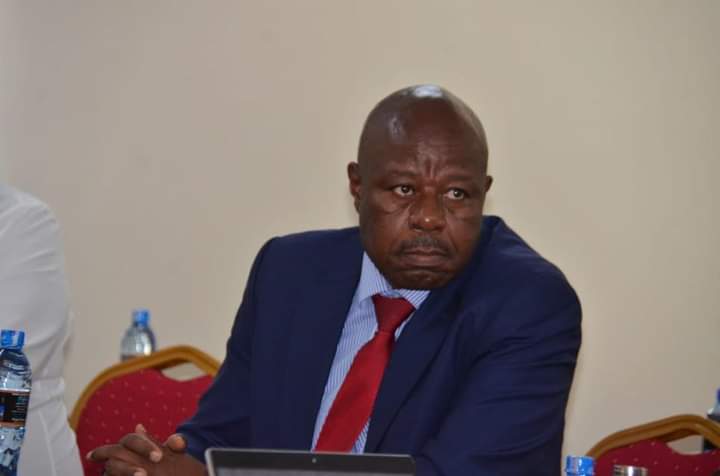
Broadcasting and Telecommunications Principal Secetary Prof. Edward Kisiang’ani has emphasised the need for streamlined government communication to project the correct image. He emphasised the importance of harmonising the various sectors involved in communication and urged people to work together to avoid variance. Kisiang’ani also highlighted the need to establish a framework for writing and releasing government statements to the public to avoid discordance. He also emphasised the importance of public officers presenting themselves in a manner that portrays the best image of the government. He also highlighted the importance of leveraging technology to enhance government communication and secure the country, stating that the main threats to the country at the moment are not physical but cyberattacks. The Director of Public Communications, Mulei Muia, echoed these sentiments, stating that unified communication would enhance trust in the national government and that providing factual and verified information to the public is key to avoiding a disconnect between the government and citizens.
 Over 3500 residents of Ndaragwa Central Ward in Nyandarua County have received improved maize seeds for planting during the rainy season. Nyandarua County Governor Kiarie Badilisha urged farmers to diversify their farming methods to avoid losses during extreme weather conditions. The area, the driest region in Nyandarua County, has not seen maize and other crops mature in the last three years due to drought. Over Sh40 million has been set aside to address development needs, and the governor has promised to fund cooperative societies and ensure access to water. He also urged youths to practice farming and support initiatives aimed at rehabilitating victims of alcoholism.
Similar Posts by The Mt Kenya Times:
- Mt Kenya Times ePAPER September 24, 2026
- The kingmaker’s last move: Uhuru’s 2027 gambit
- Kalonzo warns IEBC over 2027 poll
- Kenya leads Africa’s clean cooking push with $600M investment drive
- Kenya takes its case to the world: Ruto at the UN
About the Author