NHIF Faces Scrutiny By Public Investments Committee Over Auditor-General’s Report

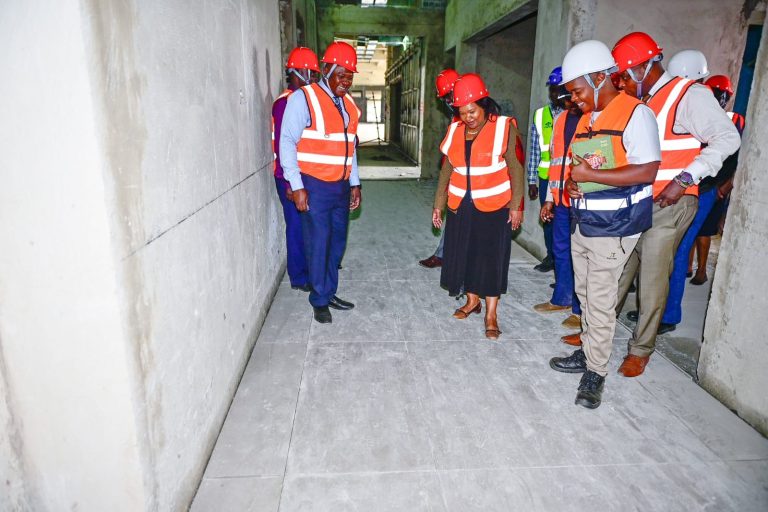
The committee during yesterday's meeting

By MKT Correspondent
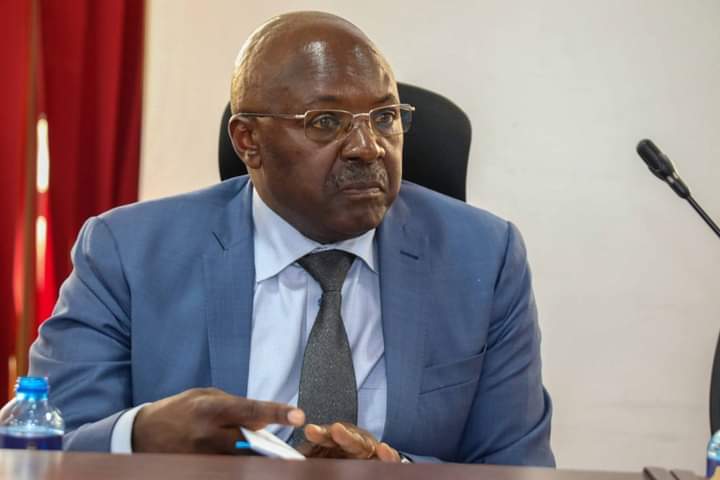
The Public Investments Committee on Social Services, Administration, and Agriculture (PIC-SSAA), chaired by Navakholo MP Emanuel Wangwe, met yesterday with National Hospital Insurance Fund (NHIF) Acting CEO Mr. Elijah Wachira to review concerns raised in the Auditor-General’s 2018/2019 report on NHIF’s financial statements.
The session, held at Bunge Tower saw the NHIF team prepared with comprehensive responses. “We’ve had smoother deliberations today as NHIF was well-prepared, and their responses were organized,” noted Wangwe, commending the NHIF’s readiness.
One key issue involved the NHIF’s staff costs totalling KSh4.87 billion, which included KSh6.68 million paid to twelve new officers. However, the Auditor-General reported a lack of documentation for the recruitment process, including advertisements, shortlisting, and interview records.
This absence of verification raised concerns about the propriety of the expenditure.
“Without complete recruitment records, we cannot confirm the legitimacy of this KSh6.68 million expense,” emphasized Wangwe.
Another issue raised was the KSh336.34 million paid as legal fees to a firm engaged in drafting contracts with healthcare providers.
The Auditor-General’s report indicated that this firm was not on NHIF’s prequalified suppliers list and that the procurement of its services was not included in the approved procurement plan. Furthermore, the terms of engagement were modified mid-process, increasing costs by KSh26.75 million without NHIF’s formal consent.
According to Wangwe, “The lack of adherence to procurement guidelines raises concerns about compliance with the Public Procurement and Assets Disposal Act.”
The committee questioned NHIF’s legal department, noting that contracting healthcare providers was essential for continuity, but processes still needed to adhere to lawful procurement practices.
Amid scrutiny over expenditures, the NHIF justified some decisions as necessary for the rapid implementation of Kenya’s Universal Health Coverage (UHC) agenda. The Ministry of Health had directed NHIF to ensure readiness for UHC in pilot counties, identifying staffing as a critical gap. The Board had approved measures such as upgrading satellite offices and recruiting staff to increase accessibility, despite some procedural irregularities.
“We were under immense pressure to implement UHC swiftly, which meant quickly reinforcing staffing and establishing contracts with providers,”
Mr. Wachira explained, citing urgency as a driving factor behind some of the decisions.
In conclusion, Mr. Wachira expressed confidence that NHIF’s responses and supporting documents addressed the issues raised in the audit report. “We believe our submissions offer adequate explanations to resolve the Auditor-General’s concerns,” he said.
Similar Posts by The Mt Kenya Times:
- When political rallies become danger zones
- Paper chasing in the shadow of substance: Kenya’s tragicomic obsession with metrics over mastery
- Why we have accents: The hidden story behind the way we speak
- Utumishi girls fire and the search for justice
- Mt Kenya Times ePAPER September 21, 2026
About the Author