Why Kenya’s police must learn to serve — and protect — persons with disabilities
By Catherine Wangari
Picture a Monday morning. A deaf young woman walks into a local police station to report a gender-based violence case, only to be met with blank stares — the officer on duty cannot understand sign language. Hundreds of kilometres away, a police officer survives an IED blast in Garissa, losing his right leg in the line of duty. He has since developed post-traumatic stress disorder, a condition that went undetected until it became impossible to ignore — only to find himself facing an administrative system that treats his situation as an operational dead end.
These are not isolated incidents. They are not new stories either. They represent a structural failure within Kenya’s justice system, where the National Police Service remains ill-equipped to handle the vulnerabilities of the public it serves while simultaneously denying its own wounded officers a dignified path forward.
According to the 2019 census, persons with disabilities account for about 2.2% of Kenya’s population. Yet despite clear legal obligations under Article 54 of the Constitution of Kenya 2010 and the Persons with Disabilities Act, many people living with disabilities report fear, misunderstanding and, in some cases, mistreatment when they interact with law enforcement officers. For many, the result is silence — under-reporting driven by intimidation, stigma, lack of accessible evidence processes for the visually impaired, and weak support systems.
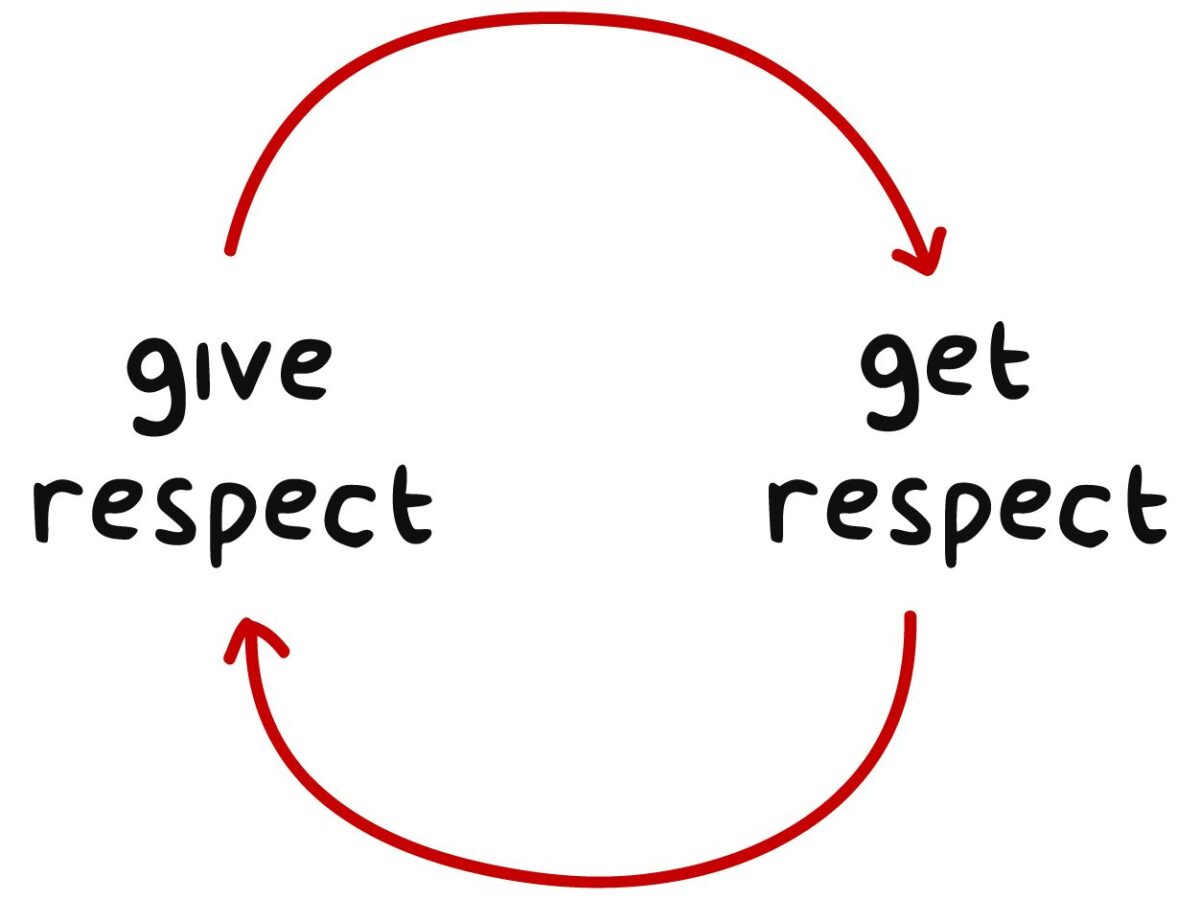
Training NPS officers to engage professionally with persons with disabilities is not merely a matter of legal compliance. It is about building public trust, upholding human rights and ensuring that justice is genuinely accessible to everyone. A useful framework is the R-E-S-P-E-C-T principle:
R — Recognise that not all disabilities are visible. Some are sensory, intellectual, psychological or multiple in nature.
E — Engage directly with the person unless the caregiver requests otherwise — and handle that request with sensitivity and good judgement.
S — Simplify communication. Identify yourself clearly and speak in plain, accessible language.
P — Provide reasonable accommodation where necessary, and never make assumptions about what a person needs.
E — Ensure safety. Do not separate a person from their caregiver without good cause.
C — Confidentiality and dignity must be maintained at every stage of the interaction.
T — Take every report seriously, regardless of the manner in which it is presented.
Working in partnership with the National Police Service Commission, the NPS must institutionalise mental health support for officers managing PTSD and put structural adjustments in place — rather than treating acquired disability as a career-ending condition or, worse, allowing untreated trauma to create risks for officers and the public alike.
The NPS should also build formal links with the National Council for Persons with Disabilities, disabled persons organisations and sign language interpreters, creating a coordination framework that makes every station more responsive and effective. At the leadership level, disability modules must be integrated into recruit training, in-service refresher courses and promotion criteria. The Policare Curriculum should explicitly cover disability competency, and accreditation by the Technical and Vocational Education and Training Authority should include disability standards as a requirement. What is practised inside the station will, in time, be reflected on the streets.
For civil society organisations and human rights bodies — including the Independent Policing Oversight Authority and the Kenya National Commission on Human Rights — the conversation cannot stop at criticising police brutality. There is an equally important conversation to be had about building the capacity for an empathetic police force. Non-state actors hold significant technical expertise in disability rights. They must bring that expertise to the table and help co-create training modules that are grounded in lived experience.
When a person with a disability walks into a police station seeking justice, they deserve to be met with competence, compassion and fairness. That is not too much to ask. It is, in fact, the minimum standard.
Similar Posts by The Mt Kenya Times:
- Kisumu water project lays foundation for dignified urban growth
- The months ahead offer Kenya a golden opportunity to grow tourism
- Mau Mau groups urged to unite over compensation push
- A comparative insight into Romantic and South Asian Poetic Heritage
- Kenya’s 2027 election is taking shape — and the early signs are troubling
About the Author