Ombudsman pushes for stronger accountability and access to information in counties
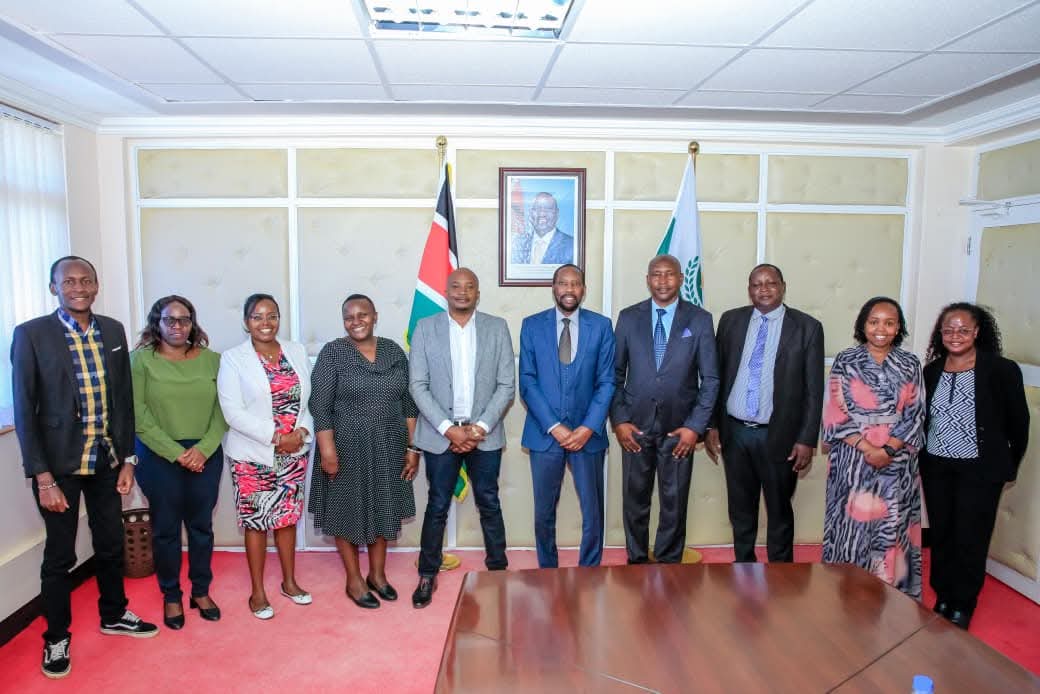
CAJ Commissioner Charles Njagua Kanyi (5th left) with other stakeholders after a series of meetings in Kirinyaga. Photos/Courtesy.
By WMW
The Commission on Administrative Justice (CAJ), also known as the Office of the Ombudsman, has intensified efforts to strengthen accountability, grievance redress systems, and access to information frameworks in counties under the World Bank-funded Financing Locally-Led Climate Action (FLLoCA) Programme.
The Commission, on Thursday conducted engagements in Kirinyaga and Kakamega counties aimed at enhancing citizen-centered service delivery, transparency, and effective climate governance.
In Kirinyaga County, the Commission, led by Commissioner in charge of Complaints and Investigations Charles Njagua Kanyi (Jaguar), held discussions with Deputy Governor David Githanda, County Assembly Speaker Muteti Murimi, and Deputy County Commissioner Frederick Ayieko.
The talks focused on strengthening Grievance Redress Mechanisms (GRM) and implementing the Access to Information Act, 2016, within county governance systems and FLLoCA projects.
The Commission said it would provide technical support to Kirinyaga County in developing a GRM policy and Access to Information law to improve institutional accountability and public participation.
Jaguar emphasized the importance of timely and accessible information in building public trust and enabling citizens to effectively participate in local development initiatives.
The leaders also discussed the need for stronger collaboration between county assemblies and national oversight institutions in promoting ethical leadership, transparency, and responsive public administration.
Meanwhile, in Kakamega County, CAJ Chairperson Charles Dulo led engagements with county officials, including the Deputy County Commissioner, County Secretary, Deputy Speakers, Members of the County Assembly, and the Climate Change Unit overseeing FLLoCA implementation.
The meetings reviewed the effectiveness of grievance handling and access to information systems in projects being implemented across various wards.
The Commission and county leaders explored partnerships aimed at improving service delivery and strengthening accountability within devolved governance structures.
Mr. Dulo underscored the need for professionalism and responsiveness among public officers, warning that failure to discharge public duties could result in liability for both institutions and individual officers.
He also assured county leaders of the Commission’s willingness to engage relevant government agencies to address challenges affecting county operations, including delays in exchequer disbursements that have negatively impacted service delivery.
The engagements form part of broader efforts by the Ombudsman to strengthen governance, citizen participation, and accountability in the management of climate financing and public resources at the county level.
Similar Posts by The Mt Kenya Times:
- Mt Kenya Times ePAPER October 24-25, 2026
- Muturi calls on IEBC to keep election technology tender clean and on schedule
- Ruto meets UAE minister in push to deepen trade ties
- Gideon Moi breaks silence on Ruto fallout, cites broken promises
- The doctor who refused to abandon a sick Uganda
About the Author