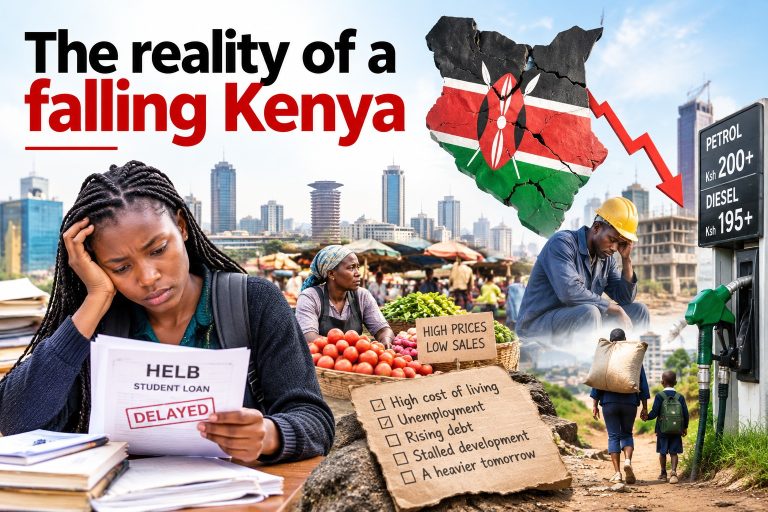
Police Keenness Essential In Handling Ongoing Protests For Citizen’s Rights
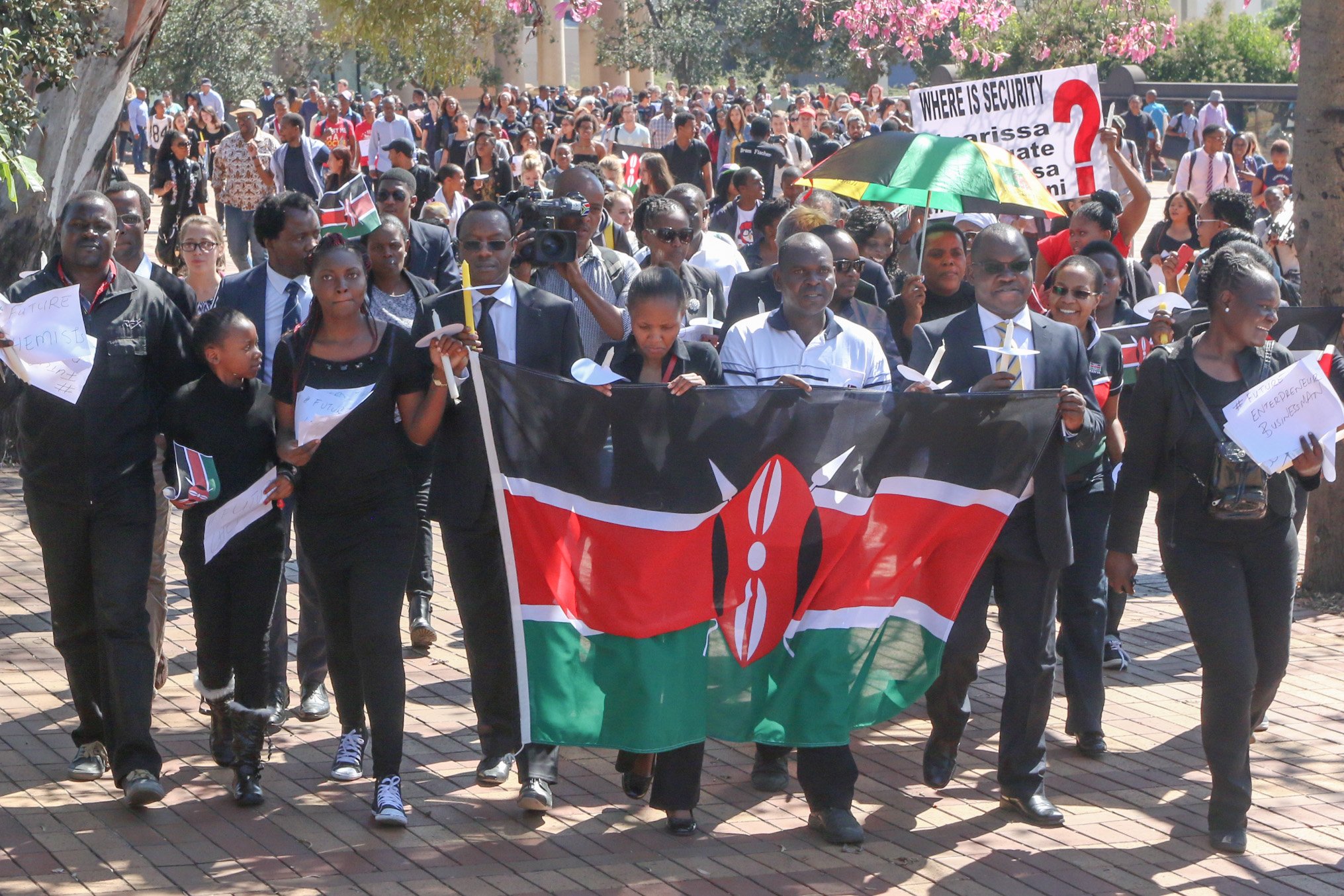
Protests For Citizen’s Rights

The current wave of protests sweeping across various regions has spotlighted a crucial issue: the conduct of law enforcement agencies during civil demonstrations. As citizens, particularly the younger generation known as Gen Z, take to the streets to fight for their rights, it is imperative that police maintain a stance of restraint and professionalism. The alarming reports of police-induced fatalities underline the urgent need for a paradigm shift in how protests are managed.
Protests, at their core, are a fundamental aspect of democratic expression. They provide a platform for individuals to voice grievances, demand justice, and seek reform. The issues propelling these protests range from political transparency and economic equality to climate action and social justice—concerns that resonate deeply with Gen Z. This generation, characterized by its digital savviness and heightened social awareness, is particularly vocal about systemic injustices and unafraid to challenge the status quo.
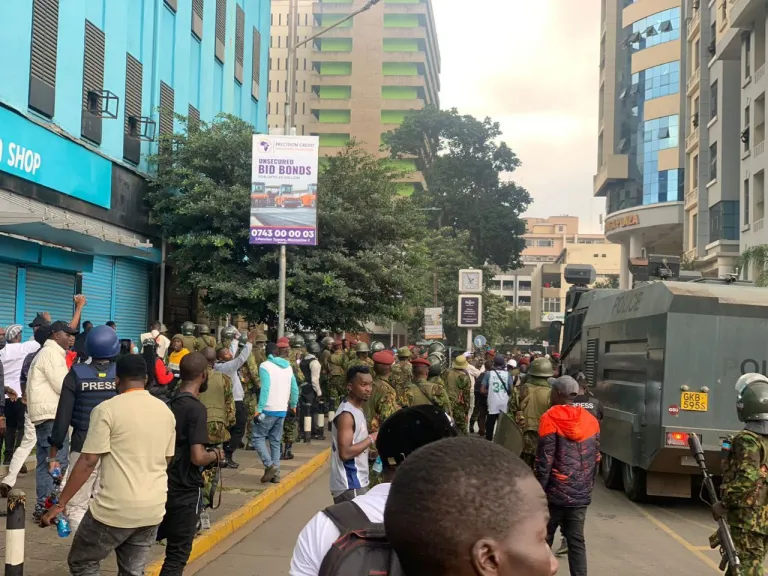
However, the response from law enforcement has not always reflected an understanding of these legitimate concerns. Instances of excessive force, and in some tragic cases, police-induced fatalities, have marred the legitimacy of the police’s role in maintaining public order. These actions not only exacerbate tensions but also undermine the trust between the police and the community they serve.
The primary role of the police during protests should be to facilitate peaceful demonstrations, ensuring the safety of all participants. This involves protecting protesters from potential harm, managing traffic to prevent accidents, and diffusing any situations that could lead to violence. However, when the approach shifts towards aggression and violence, it contradicts the very essence of their duty to protect and serve.
Recent incidents where young protesters have lost their lives due to police actions are a stark reminder of the consequences of mishandling such situations. These events not only devastate families and communities but also provoke further unrest and resentment towards law enforcement agencies. Each incident of brutality serves as a catalyst for more profound anger and disillusionment, propelling the cycle of protest and repression.
To break this cycle, police forces must adopt a strategy rooted in empathy, communication, and restraint. Training programs should emphasize de-escalation techniques, the importance of protecting human rights, and the value of community engagement. Officers should be equipped not just with physical tools but with the psychological skills to manage tense situations calmly and constructively.
Moreover, accountability is paramount. When officers overstep their bounds, there must be transparent investigations and appropriate consequences. This accountability fosters trust and demonstrates a commitment to justice, both within the police force and in the eyes of the public.
The police must also recognize that the protesters, particularly Gen Z, are not adversaries but citizens exercising their democratic rights. Their demands for justice, equality, and a sustainable future should be met with respect and consideration, not hostility. By viewing protesters as partners in the quest for a better society, rather than threats to public order, police can transform protests from battlegrounds into platforms for constructive dialogue and meaningful change.
In conclusion, the ongoing protests highlight a pivotal moment for law enforcement agencies. The need for keenness in handling these demonstrations cannot be overstated. Police must ensure that their actions preserve the peace and uphold the rights of the citizens they serve. As Gen Z continues to fight for their rights, it is the responsibility of the police to facilitate these peaceful expressions of democracy, not suppress them through violence. The path forward lies in empathy, respect, and a steadfast commitment to protecting the very rights that define a just and democratic society.
Emmaculate Kerubo,
Nakuru Girls High.
Similar Posts by The Mt Kenya Times:
- Media as the fourth arm of government
- Kenya’s nuclear ambitions: Getting the Konza reactor right
- Breast cancer is killing African women too young — and the system is failing them
- Politicians turn Nabwera funeral into a political battleground
- Are we going to Singapore or are we going to sink?
About the Author