No nonsense. British Prime Minister Andy Burnham wants to ease the plight of motorists caught in the parking-charge trap.
BURNHAM’S BLITZ ON BRITISH PARKING MAFIA AND DODGY SECONDHAND CAR SALES
By SHAMLAL PURI, SENIOR EDITOR UK & ASSOCIATE PUBLISHER
Britain’s powerful car parking mafia and the second-hand car industry are under the Government’s microscope, with Prime Minister Andy Burnham vowing to slam the brakes on unfair fines and dodgy car sales.
Burnham has put the uncontrolled parking mafia in Britain under the lens, vowing on Monday to crack down on rip-off charges and car scams that have caused untold problems for drivers and car owners as the mafiosi in the parking industry continue to cash in on drivers’ misery.
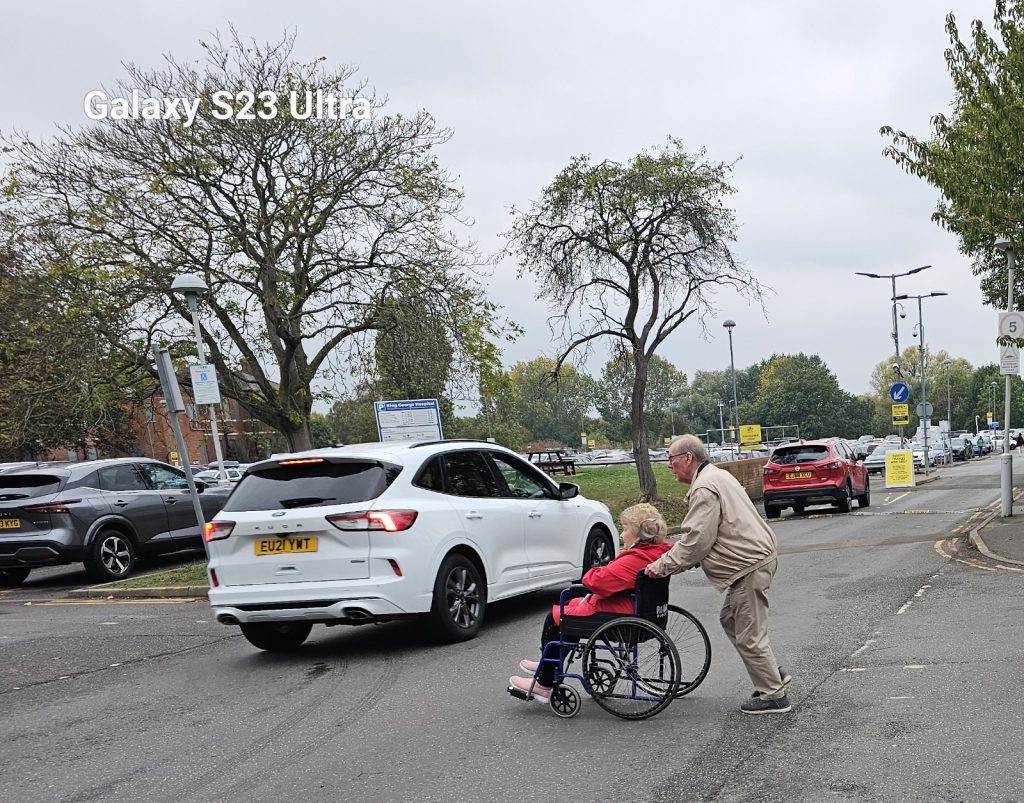
Drivers are to get new rights to challenge unfair private parking charges, alongside a crackdown on car dealers winding back mileage.
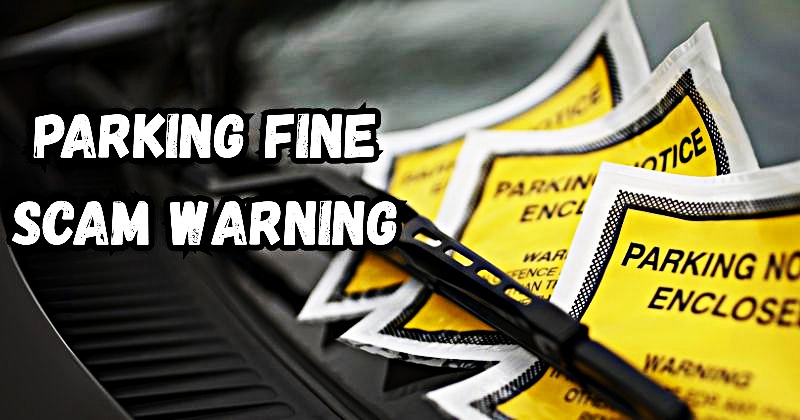
They will now get new rights to challenge unfair private parking charges under new rules announced this week.
This includes a guaranteed five minutes to decide whether to park and ten minutes to leave once their session ends, and the right to have charges cancelled on appeal for issues they can’t control.
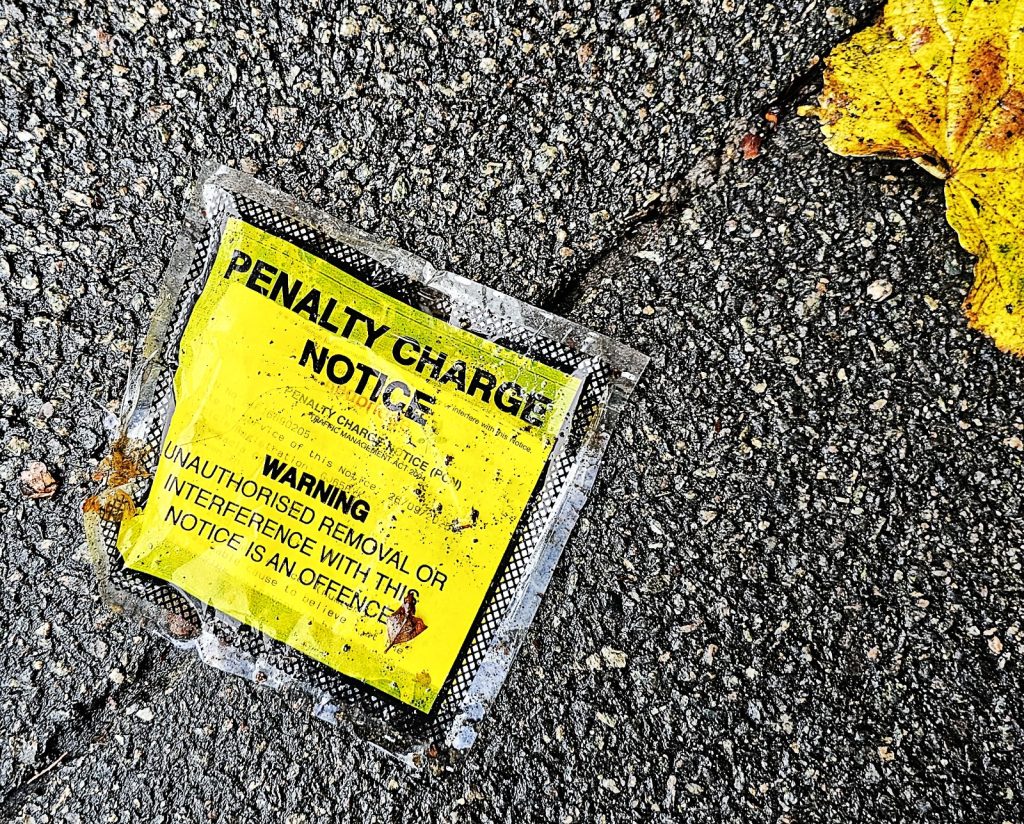
Under the new Private Parking Code of Practice laid in Parliament on Tuesday, 20 October, charges will be scrapped on appeal for honest mistakes, like stopping briefly to check directions, and for situations like a medical emergency, breakdown or broken ticket machine.
For smaller slip-ups, like forgetting a parking permit, entering the wrong vehicle’s registration or forgetting to confirm it in the machine when parking, drivers will face a maximum charge of £20 on appeal.
The Code also freezes the maximum parking charge at £100. Operators that don’t comply risk losing access to DVLA data, meaning that even if they issue a charge, it will be much harder to identify the registered owner and pursue payment.
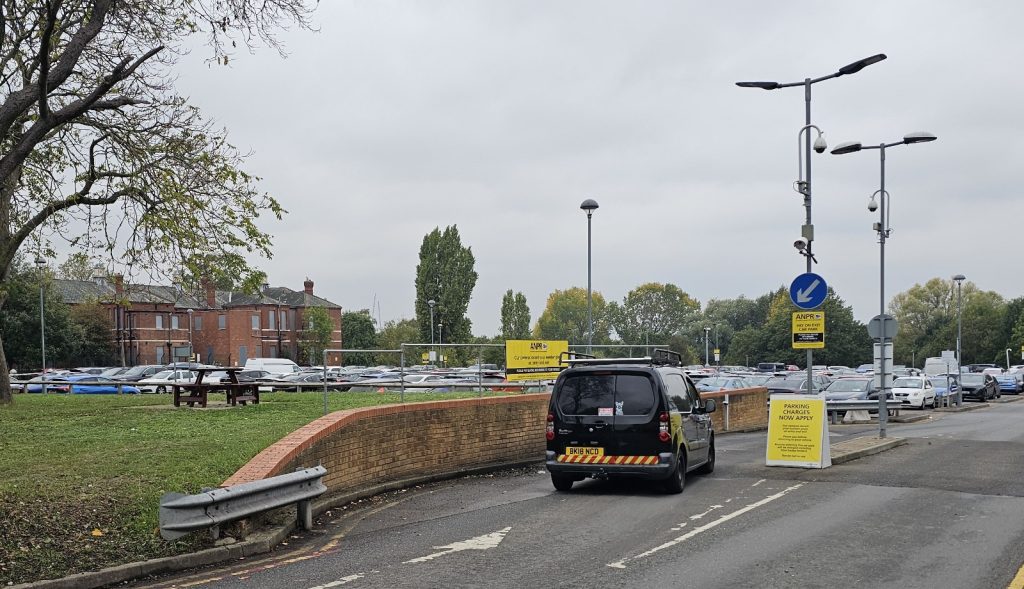
In addition, unscrupulous second-hand car dealers who wind back odometers to disguise a vehicle’s true mileage will also face tougher action.
Known as car clocking, fraudulently selling a clocked car is already illegal, but adding it to the official list of banned practices will make it easier for enforcers to crack down, protecting buyers and backing honest businesses.
These changes are the latest in the Prime Minister’s series of everyday fixes, tackling frustrations that cost people time and money and giving families more room to breathe.
Today’s action follows moves to stop unfair airline charges, tackle subscription traps, rogue traders, and rip-off school uniform costs.
Prime Minister Burnham said: “Being a few minutes late back to your car or typing one digit of your number plate wrong shouldn’t end with a hefty fine landing on your doormat.
“These charges leave people feeling ripped off and out of pocket, so I’m putting a stop to them.
“We are introducing clearer rules, longer grace periods and lower charges for genuine mistakes, while going after the deliberate scams that rip drivers off.”
Secretary of State for Housing, Communities and Local Government Angela Rayner said:
“Parking should be straightforward, not another everyday hassle. These changes mean drivers get a fairer deal, protected time to park and leave without fear of unfair charges, and confidence that private parking providers are held to a higher standard.
“It’s yet another step forward in this government’s plan to take the stress out of everyday life and ease the pressure on people’s pockets.”
Minister for Consumer Action, Kate Dearden, said: “Nobody works hard for their money just to be deceived by a dodgy trader, and this is exactly the kind of everyday rip-off this government is going after.
“By making it easier to take action against car clocking, we are protecting consumers’ hard-earned money and supporting businesses that play by the rules.”
The change applies to businesses selling cars to consumers. Car clocking will be added to the banned practices list (Schedule 20) under the Digital Markets, Competition and Consumers Act 2024.
The government has also promised to go further this week, consulting as soon as possible next year on private parking debt recovery fees, including whether to cut an existing £70 cap or scrap the fees altogether.
Data shows just under 17 million private parking charges were issued in the UK last year. In 2025, the government set out proposals to improve standards by consulting on a new Private Parking Code of Practice.
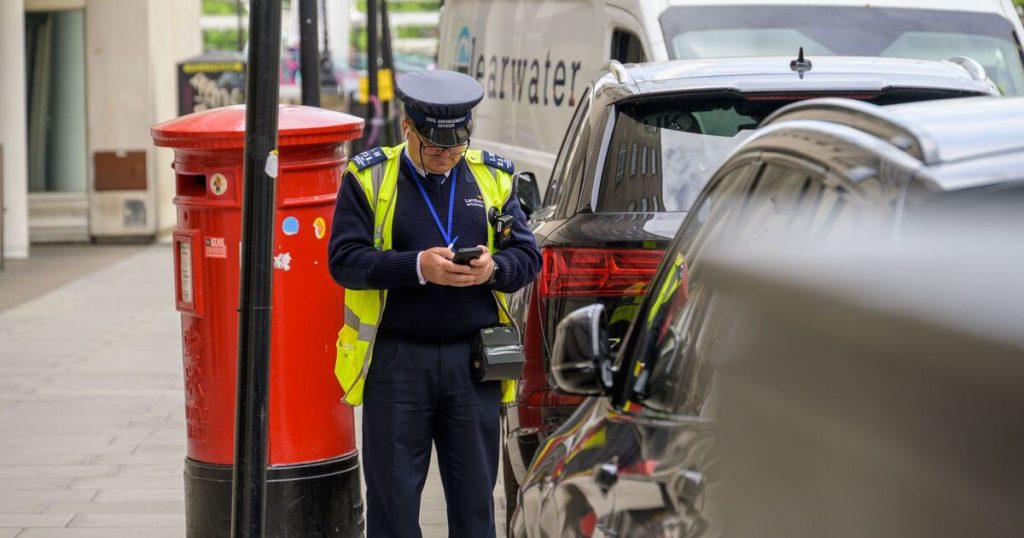
This week’s response sets out the measures being brought in to protect motorists. The British Parliament now has time to scrutinise the new Code before ministers bring it into force as soon as possible.
This Code introduces, for the first time, a fully independent Scrutiny and Oversight Board and requires operators to share more information with government, giving drivers stronger protections than ever.
Since taking office, the government has also launched a review of airport drop-off charges, cut VAT on electricity bills this winter, frozen fuel duty and rail fares, and raised the Minimum Wage, as it continues to take action to ease the cost of living.
The Private Parking Code of Practice in Britain, Scotland and Wales is aimed at protecting vulnerable car owners and drivers.
Motorists can have their parking charge cancelled if they provide evidence that one of the scenarios set out in the Appeals Charter applies to them.
Operators will have to report data on the charges they issue and how appeals are handled, to help raise standards across the industry.
A new independent Scrutiny and Oversight Board will scrutinise this, giving drivers confidence that the Code is working as intended. The process to set up the board will begin once the Code comes into force.
The changes follow a public consultation that ran from July to September 2025 and received 4,526 responses from the public and industry.
Motorists made it clear they wanted fairer appeals and independent oversight of the private parking industry.
The government intends to consult further on the remaining CMA recommendations after the Code is published.
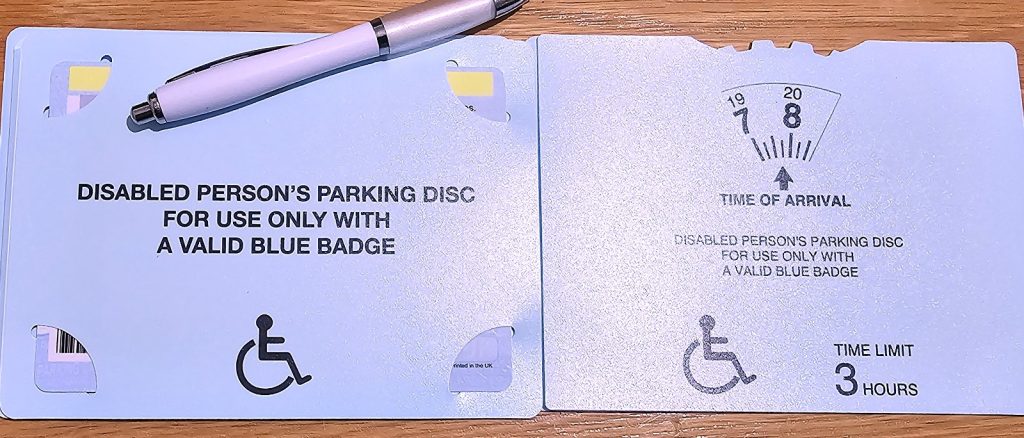
While the Government is seen to be siding with the consumers on important issues, critics believe not enough is being done to protect the rights and interests of disabled drivers.
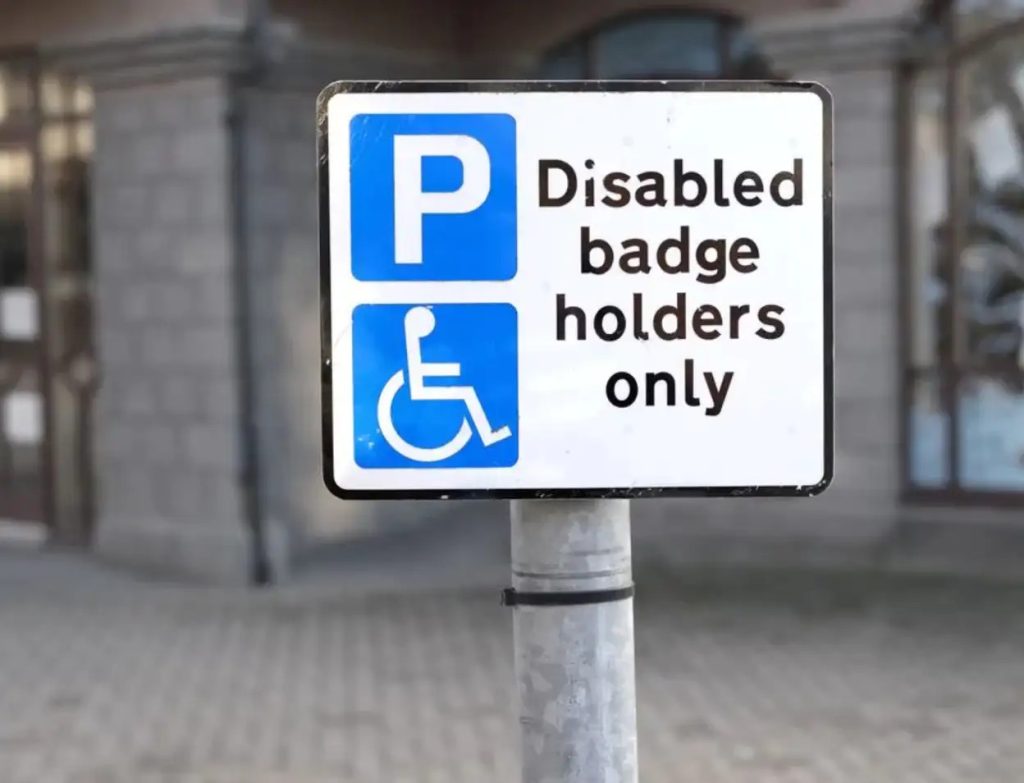
Disabled drivers have been issued with special parking permits by borough councils or the local government, entitling them to park their vehicles in designated disabled parking bays and on single yellow lines without paying for parking or fear of being fined up to £100.
Called a Blue Badge because of its colour, this complimentary parking ticket is issued to people with several kinds of disabilities who are unable to walk or suffer from age-related issues.
Some parking lots in places such as hospitals, shopping centres, and private parking lots shamelessly charge these drivers for parking despite having a blue badge, effectively insulting the very facility for which they have been issued these parking permits.
Large private companies with lucrative contracts to manage parking spaces in hospitals and shopping centres will not allow disabled drivers with blue badges to park without paying, which is grossly unfair.
If they fail to pay the charge and drive off believing they have a blue badge, the parking contractors have access to the details of the registration from the Driver and Vehicle Licensing Agency (DVLA) of the car owners and receive, through the post, a penalty notice to pay anything up to £100 to evade paying the parking charge.
Bailiffs are used if these fines still remain unpaid.
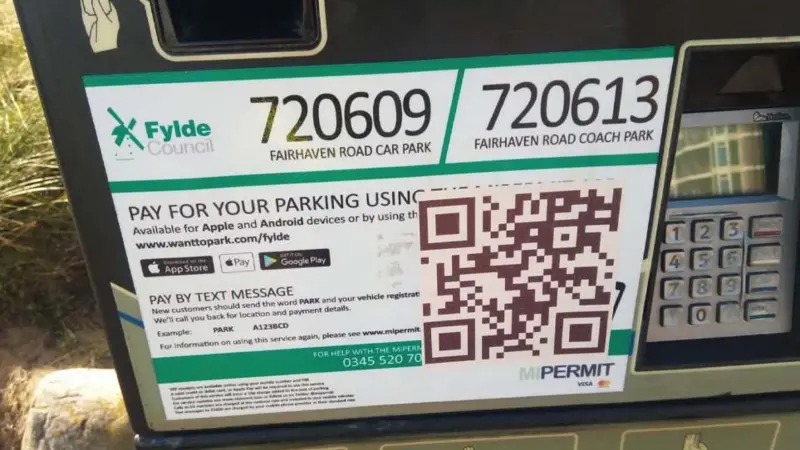
While the Government is genuinely trying to help disabled people, there are rotten apples in society who abuse the system and make fraudulent use of disabled badges by using disabled relatives, modified or stolen badges to evade parking charges where the general public has to pay to use these car parks.
In the country’s main diaspora areas, there is a market for stolen or modified badges used to hoodwink parking attendants.
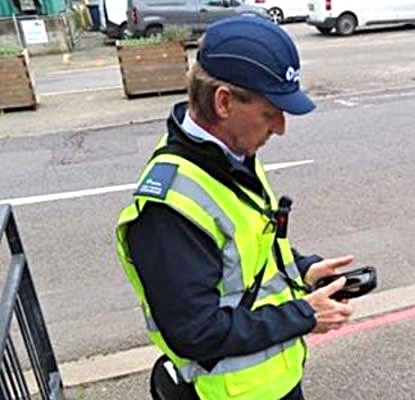
Parking attendants recently went out in full force in the London Borough of Islington to track down Blue Badge fraud. They visited places like Whittington Hospital, where drivers could have parked vehicles using fraudulently obtained badges.
Once they track a vehicle, officials remove it as part of their crackdown.
An official said, “Blue Badges make a real difference to disabled people who rely on them to get around and park where they need to. They are vital for people unable to walk distances
“That’s why we take Blue Badge fraud seriously. We’re working all year round to protect the scheme for the people who genuinely need it and will keep taking action against fraud and misuse across Islington.”
Members of the public are encouraged to report those using these badges illegally. Those found are fined heavily, up to £1,000, and prosecuted.
Another scam operating in the UK, which has hit normal drivers below the belt, is yet to be tackled effectively.
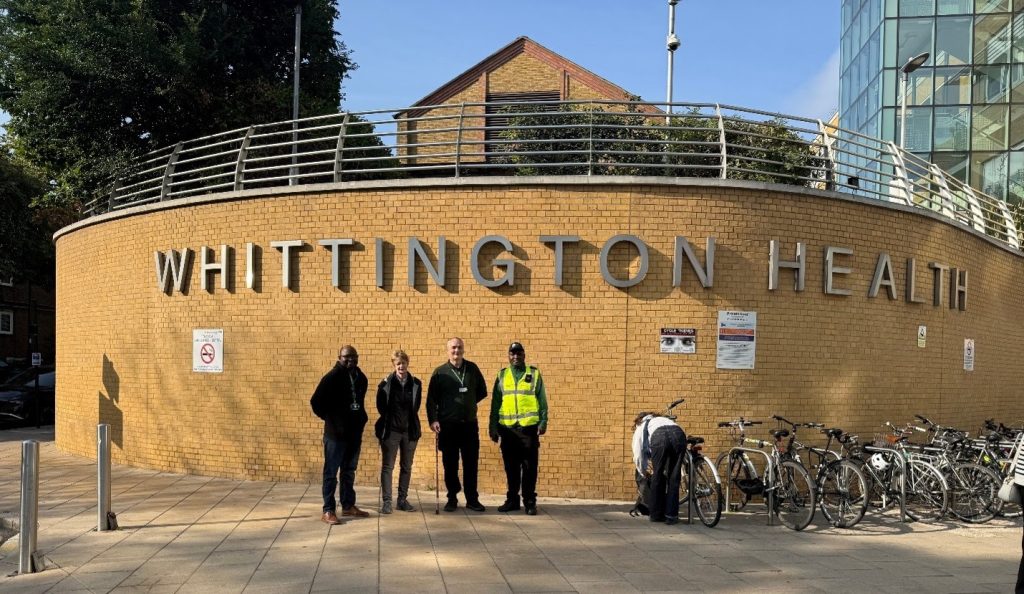
Fraudsters are exploiting new technology and finding unique ways to fleece motorists.
In the past, it was simple: find a space, find spare change, and stick a ticket on your dashboard. These days, finding a parking space means using a smartphone and downloading another app. It’s a hassle.
From fake QR codes and bogus parking attendants demanding cash at busy events to text messages about parking fines, the traps are getting even more sophisticated. These scams can also lead to bank accounts being drained,
Saga, the insurance company, gives a shocking description of how these scams work.
According to Action Fraud, there were 784 reports of QR code scams through April 2025, a 20% increase, with almost £3.5 million lost. That’s an average of £45,000 per person.
Action Fraud says car parks are where they happen most often.
QR codes are codes that you scan with your phone that then take you to a specific website.
In QR code scams, the website asks for your card details to make a payment, then harvests them and uses them to spend money from your account. Some websites will also download malicious software onto your phone.
Claire Webb, acting director of Action Fraud, says cybercriminals increasingly use fake QR codes to trick the public into giving up personal and financial information.
“We’re urging people to stop and check before scanning QR codes, to avoid becoming a victim of ‘quishing’ [QR code ‘phishing’, which means using fake codes to direct to malicious websites]. Look out for QR codes that may have been tampered with in open spaces, or emails and texts that might include rogue codes,” she says.
Scanning these with a smartphone camera should take motorists to a legitimate payment website when paying for parking. But now identical-looking stickers are being placed over the genuine QR code, redirecting to scam sites.
Kate Hobson, senior consumer expert at Citizens Advice, says, “If you do scan a fake code and provide the information asked for, you’re at risk of handing over personal details and losing money.
“And because you won’t have paid the real company, you could also end up with a parking ticket. Or you may have downloaded malware (software designed to gain access to your smartphone) that scammers can use to steal your personal information.”
Football club AFC Telford United recently warned fans about a potential fraud involving fake QR codes attached to parking notices at the SEAH Stadium in Shropshire.
A member of the public attending a game had spotted that regular Avalon parking payment information signs had been tampered with, and stickers bearing QR codes directing users to a fake website had been placed over the legitimate QR codes.
“It seems likely that the intention was to harvest payment card details from users,” a spokesperson for AFC Telford United said. They advised people who had already used the QR codes to contact their bank or payment card issuer.
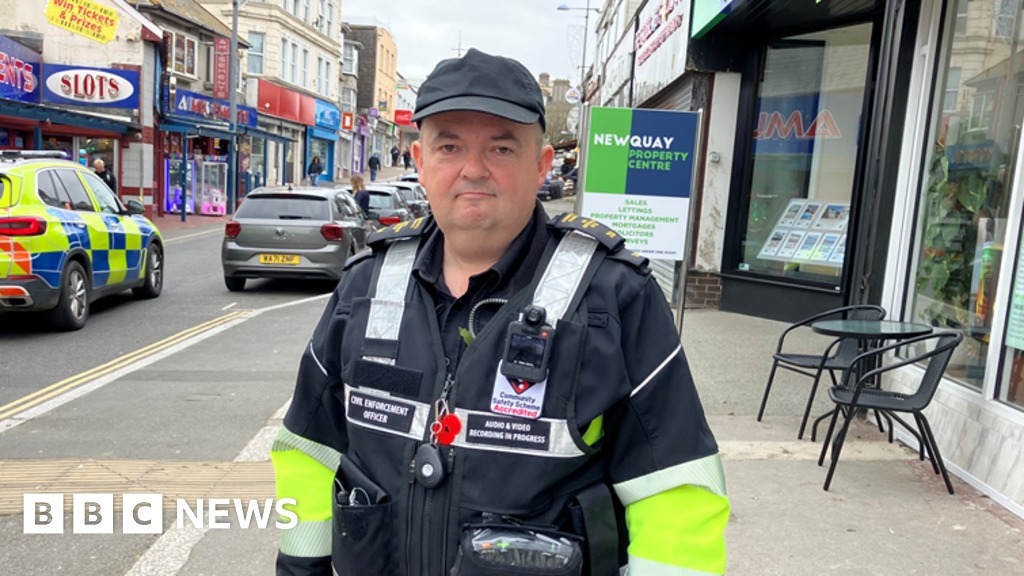
Another scam to watch out for is someone posing as a fake parking steward. This can also happen at football matches or any other busy event.
Scams like this have been reported near Manchester United, Aston Villa and Tottenham Hotspur grounds.
Victims are directed to park by someone wearing a hi-vis jacket that may say ‘Official match day parking’. They ask for payment in cash. The unsuspecting driver may later be fined for parking on private property or for not paying the actual fee.
The Trafford Council warns of this scam on its website and says the council, parking operators and Manchester United are aware of it.
The council advises that if someone approaches you to park on the public highway for payment, even if they are dressed to look like a Trafford Council employee, it is a parking scam.
“If you receive a text saying you owe a parking fine, be on the alert. Local councils and parking companies don’t issue penalty charge notices (PCNs) by text message,” the spokesman added.
Similar Posts by Shamlal Puri:
- UK and Germany strengthen defence ties in London talks
- BRITAIN PLEDGES ‘ROCK SOLID’ SUPPORT TO UKRAINE
- KENYAN HOCKEY LEGENDS HONOURED IN LONDON
- Tourism bonanza for the Middle East: FOUR DAYS WHEN THE WORLD CAME UNDER ONE ROOF IN DUBAI
- LONDON PACKAGING WEEK WITH TOP GLOBAL BRANDS ATTRACTS THOUSANDS OF VISITORS
About the Author