
By Daisy Cherono
Worth Noting:
- Kenya generates an estimated 22,000 tons of waste per day calculated by assuming an average of per capita waste generation of 0.5 kilogrammes for a current population of 45 million translating to 8million tonnes annually. It is estimated that 40% of the waste is generated in urban areas.
- Given that urbanization is increasing by 10%, by 2030, the Kenya urban population will be generating an estimate of about 5.5million tonnes of waste every year, which is three times more the amount of waste generated in 2009.Past inventories estimate that 60% to70% of waste generated is organic, 20% plastic, 10% paper, 1 % medical waste and 2% metal.
A garbage-shrewn Street of Kitere, Rongo subcounty Migori County. Garbage has been a problem for market centers, causing negative effects on the environment and health of the residents. In Kitere, Migori, this problem is not an exception.
The accumulation and improper disposal of waste within the market centers are causing more harm than good.The Constitution of Kenya (2010) Article 42 provides that “Every person has the right to a clean and healthy environment,” that the State will “Eliminate processes and activities that are likely to endanger the environment.”
Additionally, the Constitution devolved responsibilities over waste management to the 47 counties. Market centers are vital places where people come to buy and sell goods. However, the problem of garbage in these centers has become acute.
The waste that accumulates in the market center not only makes it less attractive but also causes environmental hazards. The piles of garbage can be a breeding ground for disease-carrying pests. The smell emanating from the waste can be irritating to the residents and potential customers.
According to NEMA, population increases and rates of production and consumption increase, the estimated volumes of waste generated from households, industries, agricultural services, construction, health care facilities will triple between 2009 and 2030.
Kenya generates an estimated 22,000 tons of waste per day calculated by assuming an average of per capita waste generation of 0.5 kilogrammes for a current population of 45 million translating to 8million tonnes annually. It is estimated that 40% of the waste is generated in urban areas.
Given that urbanization is increasing by 10%, by 2030, the Kenya urban population will be generating an estimate of about 5.5million tonnes of waste every year, which is three times more the amount of waste generated in 2009.Past inventories estimate that 60% to70% of waste generated is organic, 20% plastic, 10% paper, 1 % medical waste and 2% metal.
Inefficient production processes, low durability of goods, unsustainable consumption and production patterns lead to excessive generation of waste. On encounter with Cynthia Achieng a businesslady in Kitere and a resident of Kitere, Migori, or a local vendor.
“The garbage has become unbearable in this market center. Sometimes, the waste is left to decay and produce a repugnant smell. It affects our health and that of our customers. It’s not good for business.”she says.The poor waste management practices within the market center has led to soil pollution and degradation.
It has also lead to the contamination of water sources as the waste seeps its way into the water table. These environmental hazards are not only dangerous but also costly to remedy. On encounter with Mr. Simon Otieno, a local environmentalist. “Garbage disposal brings about environmental pollution that affects human health, marine life, and livestock,” he said. “When we dispose of waste improperly, it causes soil pollution, which negatively affects agriculture and subsequently the economy.
It’s therefore imperative that everyone takes responsibility for proper waste disposal.”He said. Cynthia says that the problem of garbage in the market centers requires the intervention of the county council.
They should enforce regulations that govern the disposal of waste. They should also engage in education campaigns that encourage residents to be responsible for proper waste disposal. Additionally, the council could invest in proper waste disposal facilities to ensure that all garbage is disposed of accordingly. Such facilities could include waste transfer stations, recycling centers, or waste to energy plants. “The pollution caused by garbage is a serious issue that affects the environment, especially the air, water, and soil. The effects of this pollution are far-reaching and detrimental to not only the market center’s inhabitants but also for those living outside the center.
Many of the items which are often dumped in the market centers, such as plastics and chemical waste, take a long time to decompose and can be a problem for years to come. The city council should work hand in hand with residents to ensure there are recycling and waste management programs that aim to reduce the amount of waste generated in the market centers,”he says.
Citizens are key players in the management of waste. They are consumer of goods and services, generators of waste, main players of waste minimisation and sorting at source. Their participation, or lack of participation thereof, determines the success or failure of the adoption and implementation of waste management initiatives.
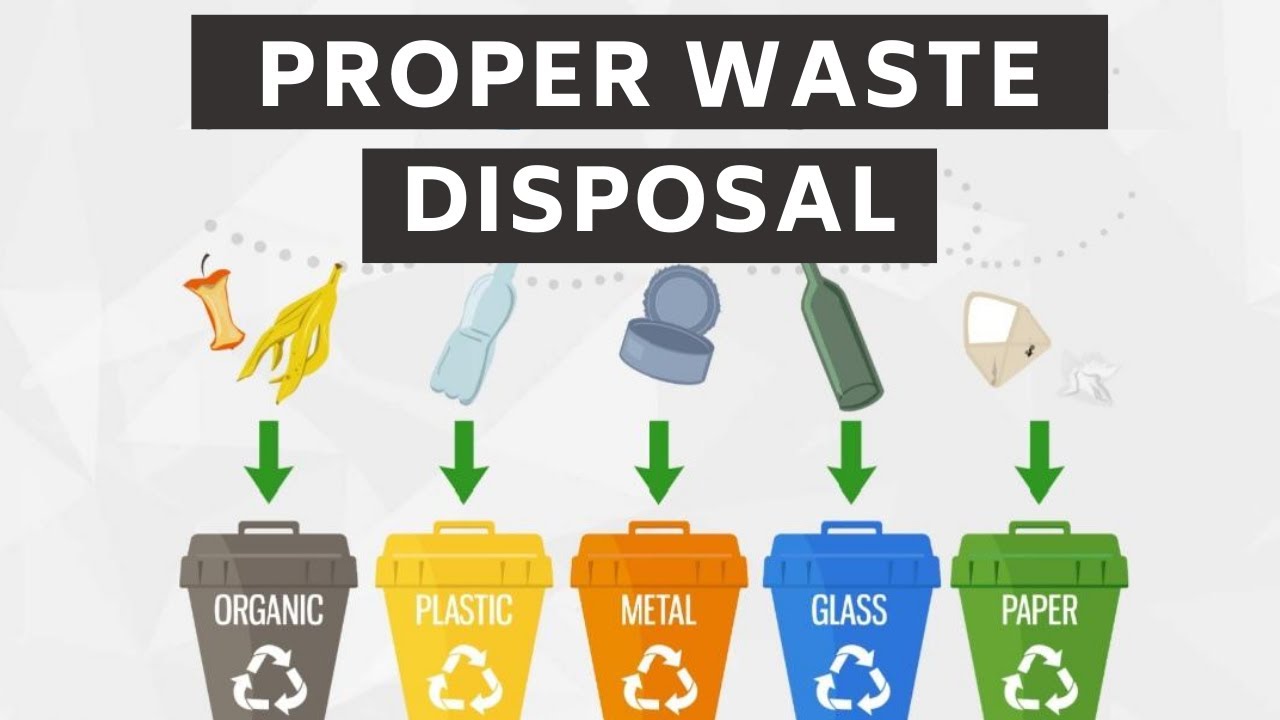
The shift from mixed disposal at household level to “sorting of waste at source” of recyclable materials, organic and other waste recoverable streams will be key in the realisation of sustainable waste management.
Citizens are also key stakeholders to monitor compliance and reporting illegal waste dumping. To mitigate this challenge, the county council, in collaboration with residents, should take a proactive role in waste management.
They should invest in proper waste disposal systems and enforce regulations to ensure that garbage is disposed of appropriately. Through this concerted effort, we can ensure a cleaner and healthier market centers and environment.
Similar Posts by The Mt Kenya Times:
- Peter Mwathi: A proven leader with a record of service in Limuru
- Mt Kenya Times ePAPER September 22, 2026
- Ruto offers Kenya as test case on African risk
- Gachagua demands fuel deal accountability, accuses Ruto of deception
- Azimio is dead. Long live the Ukombozi Alliance
About the Author