Water Pollution

By: Khakimova Ozoda
Worth Noting:
- One of the most polluted rivers is the Rhine, which is the largest water artery in Europe. Waste water from industrial enterprises located on the banks of this river is poured directly into the river. The volume of these waters is approximately 60 million cubic meters per year.
- Therefore, even fish cannot live in this river, and bathing is strictly prohibited. The same can be said about the Mississippi River. This river, which once flowed with clear water, has now become the “Old Man of America”. The total length of highly polluted rivers is 1.5 thousand km in England, and more than 2 thousand km in the USA.
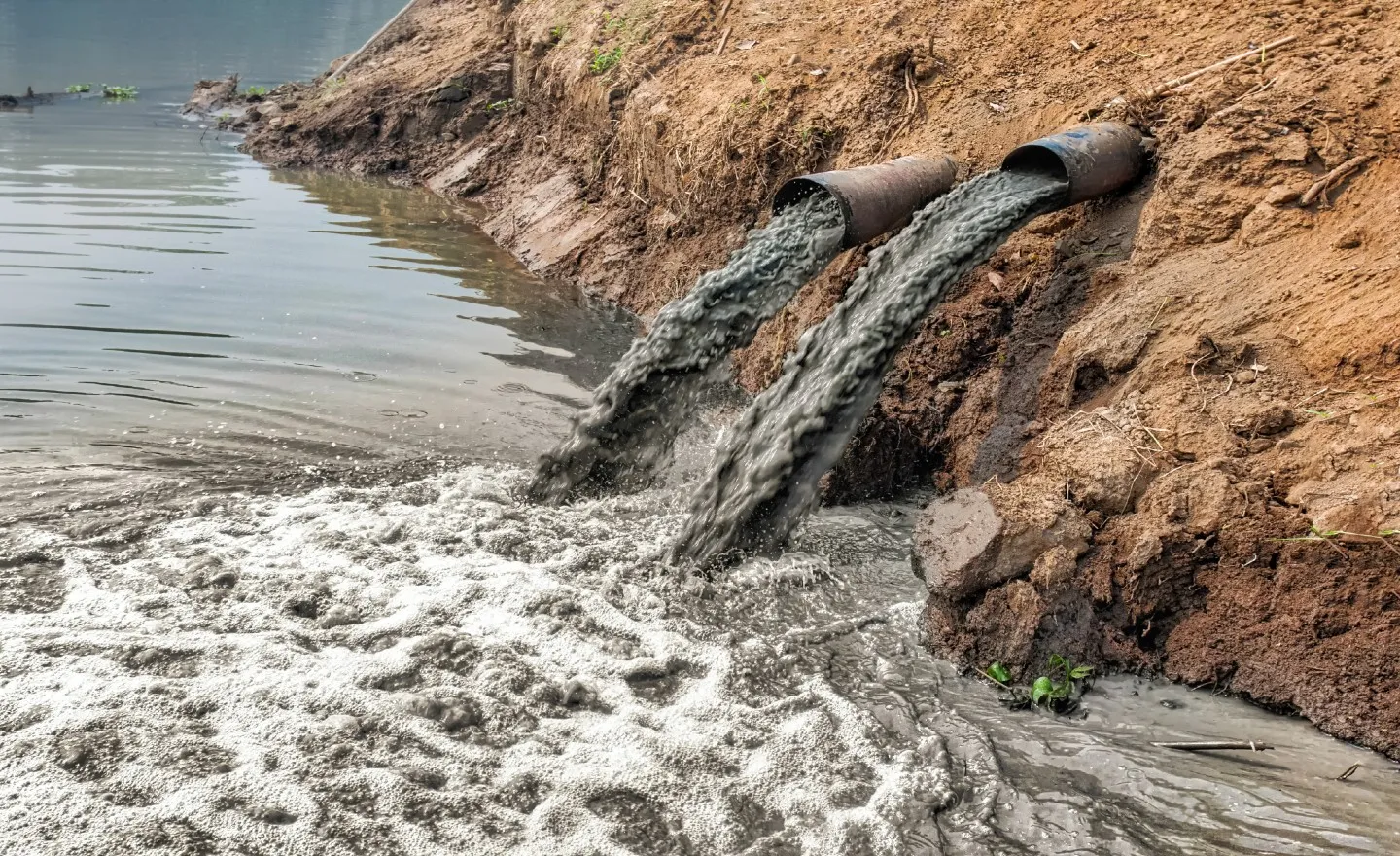
The main reason for the shortage of fresh water is not only the increase in water consumption in agriculture, industry and life, but also the increase of industrial and domestic waste water into open water bodies, that is, the increasing amount of water.
Especially in developed capitalist countries, the level of water pollution is high, and in some places, the issue of water purification is becoming a real “national issue”. In Germany, more than half of the wastewater, and in the USA, a third, are discharged into rivers and lakes without complete treatment. In many regions of Japan, England, the Netherlands, Belgium and France, as well as in Scandinavian countries, the waters of rivers and lakes are very polluted.
One of the most polluted rivers is the Rhine, which is the largest water artery in Europe. Waste water from industrial enterprises located on the banks of this river is poured directly into the river. The volume of these waters is approximately 60 million cubic meters per year.
Therefore, even fish cannot live in this river, and bathing is strictly prohibited. The same can be said about the Mississippi River. This river, which once flowed with clear water, has now become the “Old Man of America”. The total length of highly polluted rivers is 1.5 thousand km in England, and more than 2 thousand km in the USA.
The thickness of the dirty sediment layer at the bottom of the Potomac River, which flows near Washington, is more than 3 meters.
Currently, ocean and sea water pollution is also increasing. Because the amount of various salts, heavy metals, and radioactive substances entering them with river water is increasing. In addition, the burial of toxic substances in the oceans and seas, the explosion of nuclear weapons under water, the spilling of oil and oil products into the water seriously pollute the hydrosphere. For example, 60 years ago, 7,000 tons of arsenic were placed in strong vessels and buried under the Baltic Sea. However, this small amount of arsenic is enough to poison the entire world population.
In recent years, the phenomenon of anthropogenic eutrophication in lake water has been spreading widely. The essence of this phenomenon is that biogenic substances, especially nitrogen and phosphorus compounds, in the wastewater from everyday life accumulate in the lake waters with low activity, disrupting the hydrochemical and hydrobiological regime in it. As a result, blue-green algae increase in the water content and oxygen decreases. Because most of the oxygen is used by bacteria to decompose organic residues, that is, to rot algae. The amount of humus in the water increases, the oxidation-regeneration process is disturbed and an anaerobic condition occurs. In this case, the color of the water turns blue, and when it gets wet, a smell appears. Because toxic substances such as sulfur, ammonia, phenol, indole, scotol accumulate in it. Such waters are unfit for use, even fish cannot live in them.According to the results of monitoring, the number and quality of infectious diseases among the population is increasing due to water pollution. According to medical statistics, 30% of human diseases are caused by poor quality drinking water. In developing countries, this figure is up to 80%. According to the United Nations, 50 million people get sick from water pollution, and a fifth of them die. In order to prevent and prevent the development of such an unpleasant process, the United Nations declared 2003 as the “Year of Freshwater” in the world.
Khakimova Ozoda
Andijan State Pedagogical Institute, Department of Chemistry, 2nd year student
Similar Posts by The Mt Kenya Times:
- Mt Kenya Times ePAPER September 21, 2026
- Gachagua accuses Ruto of using UNGA trip to seal niobium deal in Kwale
- Ichung’wah turns Uhuru’s ‘sponyo’ joke into a policy attack
- Kuria’s rebuke of Kindiki on brews reopens the wound Gachagua left behind
- Nyoro storms Engineer as Njabini chaos signals the mountain is already at war with itself
About the Author