electricity

By: Gerald Barekye
Worth Noting:
- High power tariffs have also affected healthy sector and people have lost their loved ones especially pregnant women who be in labour due to unstable power supply that be on and off. Some hospitals spend days without power and this affects the poor since the rich affords private hospitals where standards are good.
- In most healthy centres especially in villages the service stops at 6pm because there is no electricity to make them work at night and this has limited healthy services offered to people.
- Reducing the costs of electricity and extending it to rural areas will improve on healthy standards of both healthy centres and referrals in remote areas of the country.
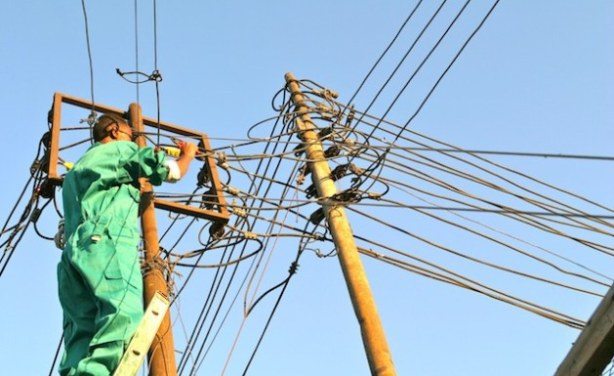
Last month media reported death of three family members in Kasanje village Wakiso district that resulted from power theft. According to the police the death was due to electrocution whereby people were stealing electricity and wires were hanging that made the culprits use them for drying clothes not knowing there was electricity in the wires.
Most of the deaths resulting from electrocution are not reported by residents due to fear of electricity companies to come and arrest them, but the question is done these people know dangers of stealing electricity?
If yes then why do they go on with such vice? Uganda has the lowest electrification rates in the world bringing electricity to more than 40million and despite the significant efforts over the last 20 years, the rate has remained low around 24%. The country has the most people without access to electricity especially those in remote areas and the first growing population and as demand continues to far outweigh supply energy poverty becomes more of a crisis across the country.
The unstable power supply and high costs of power supplied has limited economic growth in the country. Due to failure to access and pay electricity bills, most Ugandans have resorted to steal power that has resulted into damages to goods and human life.
High costs of electricity and unreliable power supply have limited economic growth in most sectors across the country. Agriculture is a back born of Uganda and the best way to support it is encouraging farmers to use mechanization to boost their production but they had a limited by high electricity costs.
Electricity in agriculture is used for many functions that includes greenhouse, powering machines, drying produce, running irrigation systems among others. The country would be the highest and leading producers of food but due to high power tariffs’ agriculture is done seasonally depending on nature because about 10% can only afford electricity on their farms. Cutting electricity tariffs and extending power to remote areas increases production and boosts the people’s income.
High power tariffs have also affected healthy sector and people have lost their loved ones especially pregnant women who be in labour due to unstable power supply that be on and off. Some hospitals spend days without power and this affects the poor since the rich affords private hospitals where standards are good.
In most healthy centres especially in villages the service stops at 6pm because there is no electricity to make them work at night and this has limited healthy services offered to people. Reducing the costs of electricity and extending it to rural areas will improve on healthy standards of both healthy centres and referrals in remote areas of the country.
Schools have also been affected especially rural schools where there is no power and those that can access power they can’t afford to pay tariffs. This has limited and affected performance of rural students compared to urban schools. Most of the rural students study during the day and go home where there is no power to support their reading during at night.
In my former primary schools we have power passing alongside the road, but the school failed to extend electricity to the school premises due to high wiring costs and this has left the school in poor performing state. Reducing costs on power connections, tariffs will allow schools to access power and improve on the education systems.
The Business sector has also been affected, most business run on power for example those that deal in beverages, perishables among others, the absence of power leads to perishability of goods leading to losses. Reducing power costs will enable the businessmen to succeed and pay taxes in time which will boost the economy.
Therefore, I call upon the ministry of energy and mineral development to work hand in hand with the electricity distribution companies to extend power in rural areas at very affordable prices and reduce on electricity bills for all Ugandans to afford and use electricity. The ministry should also negotiate with power distribution companies especially solar companies to provide solar at a reduced balance for all people to access clean energy.
Politicians, religious leaders and power distribution companies should carry out mass sensitization to the public about the dangers of stealing power to save citizens from electrocution. The electricity amendment bill that has just been tabled on the floor of parliament should be defended and changes made for all Ugandans to benefit.
The ministry of energy should invest a lot in renewable energy and carry more sensitization about renewable resources that are used to produce energy which a readily available and can be accessed by everyone. Investing in solar energy, biogas will be the best option for people who cannot afford high electricity costs that is making people resort to power stealing.
Gerald Barekye
Executive Director
Centre for environmental Research and Agriculture innovations
(CERAI)
Similar Posts by The Mt Kenya Times:
- Literary Outreach Incubation Program Instills The Culture From Book Adaption To Spoken Words
- Why starting school too early is failing our children
- Who defines Africa’s destiny? The western lens, African compliance and the struggle for intellectual sovereignty
- A girl’s dream is the future of society
- Education is the key to success
About the Author