Our writer Dr Sarita Bhardwaj.

THAT TERRIFYING HEART-STOPPING ODISHA TRAIN CRASH AND THE TRAUMA OF SURVIVORS
By Dr Sarita Bhardwaj
Worth Noting:
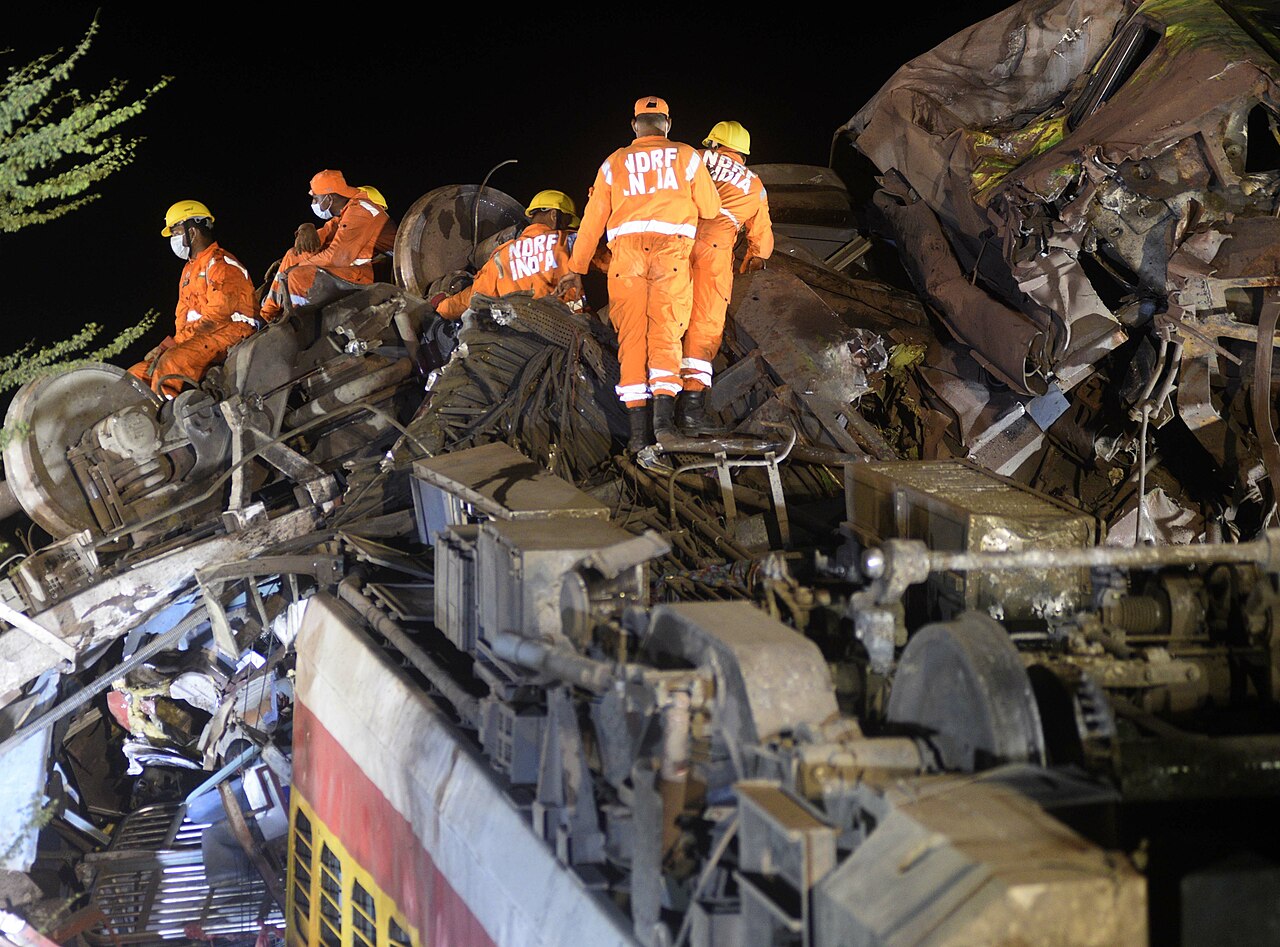
- Fate drew the short straw on that dark evening when three trains collided in the Balasore district of Odisha, in eastern India, killing hundreds of innocent passengers and injuring more than a thousand – people who had never met before and whom God had brought together on that their last journey of life.
- Train one – The 12841 Coromandel Express was travelling from Shalimar in Howrah, in Bengal, to MGR Chennai, Tamil Nadu, on the up main line at the Bahanaga Bazaar railway station, when train number two – the Bengaluru-Howrah Express was travelling in the opposite direction on the adjacent down main line. Both trains were passing through and received a green signal to proceed.
- The Coromandel Express entered the passing loop at high speed, instead of the mainline, and collided with a stationary goods train, derailing the passenger train’s 21 coaches.
The best gift God has given us is life. God provides us a task during our existence on this earth: to build our identity for good or worse.
Man and machine are also gifts of intelligence … a testimonial of a nation’s development.
Man has made life easier with machines. Everyday scientific developments pave a path for a better and easier life, and the railway is one of them.
How our world changes within an eye blink, dreams can be shattered, and happiness lost in a jiffy when the strangest side of life knocks on our doors.
But even with this gift of intelligence, none can predict life’s next move; no one knows what lurks around the corner.
Human intelligence has built Railways. They are a boon and a curse.
My thoughts are focused on that fateful June day which killed hundreds and is still fresh in our minds.
Fate drew the short straw on that dark evening when three trains collided in the Balasore district of Odisha, in eastern India, killing hundreds of innocent passengers and injuring more than a thousand – people who had never met before and whom God had brought together on that their last journey of life.
Train one – The 12841 Coromandel Express was travelling from Shalimar in Howrah, in Bengal, to MGR Chennai, Tamil Nadu, on the up main line at the Bahanaga Bazaar railway station, when train number two – the Bengaluru-Howrah Express was travelling in the opposite direction on the adjacent down main line. Both trains were passing through and received a green signal to proceed.
The Coromandel Express entered the passing loop at high speed, instead of the mainline, and collided with a stationary goods train, derailing the passenger train’s 21 coaches.
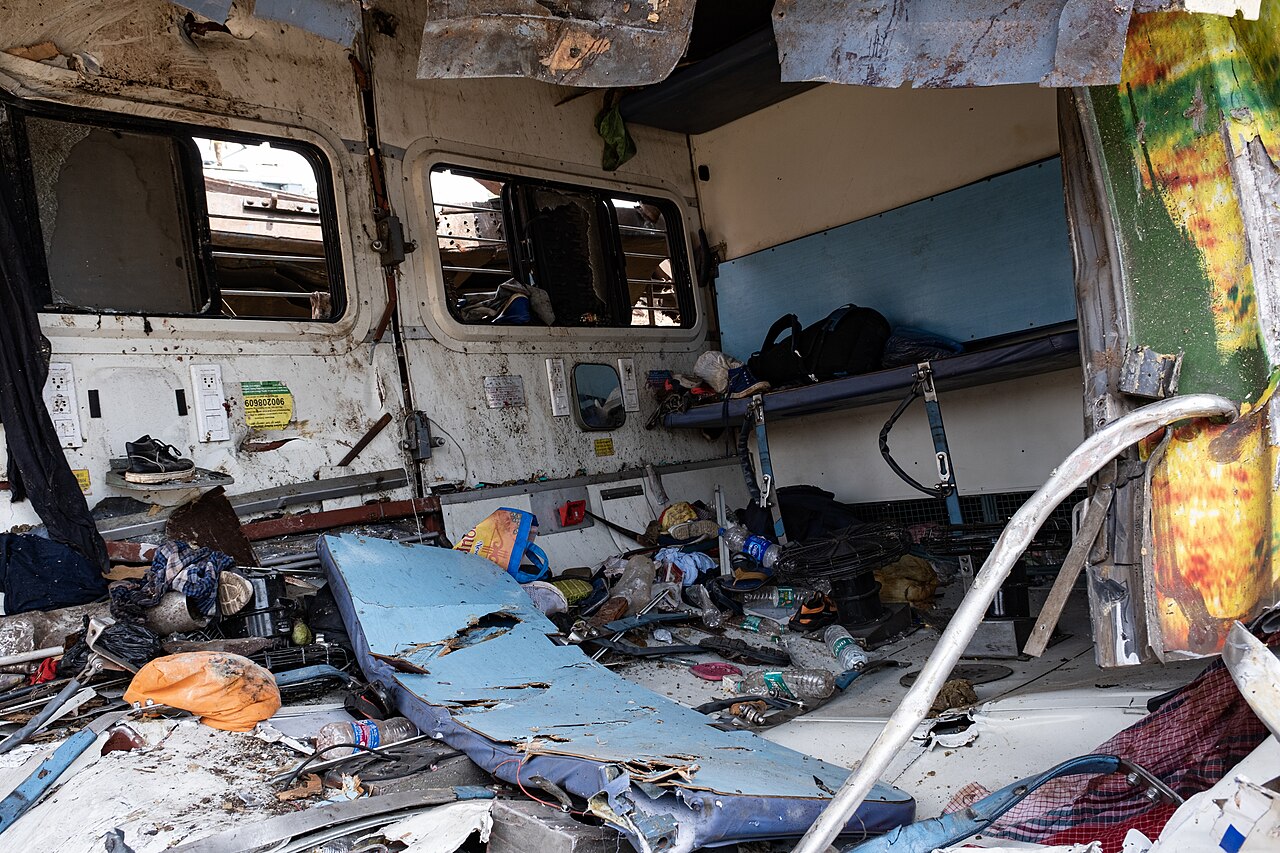
Three of the derailed coaches careered into the nearby track. They whiplashed the tail-end of the Bengaluru-Howrah Express crossing the station while further derailing two passenger coaches of this train.
Miraculously, there were no fatalities or injuries on the Bengaluru-Howrah Exoress as reported.
But 292 people died in the crash – all from the three coaches of the Coromandel Express and some 1,175 people were injured.
The horrific grinding of metals, mangled coaches, blood everywhere, the screeching noise, the fear moments after the crash, the eerie silence, the wailing, blood-curdling cries for help, the pain, the tears, the dying in front of their eyes as the brave ones lying in pain try to make sense… oh, the torture.
The newly dead screams of dying and injured passengers continue to haunt rescuers who saw the carnage. Not a sight for the weak-hearted.
Some of the dead passengers were severely burnt or suffered other trauma.
That railway accident took so many lives destined to live for years and years ahead could with the many dreams they had dreamt.
The walking wounded – survivors with their life-threatening injuries have to live in a way they could never live their everyday lives.
The trauma they have been through will live with them forever. They may live with deformities, amputations, missing limbs, arms, feet, broken spines…
In their bravery, they can live with the physical deformities, but what about the emotional loss the
psychological trauma?
We mourn the dear departed ones in the Odisha train tragedy.
How can an old mother or father witness their young son dying in front of her eyes? The unkindest moment is when the grieving father has to carry his young son’s casket on his shoulder with three others on foot to the cremation ground and light the funeral flames.
How will the ageing mother take care of her son’s deformity? How will the daughters cope without the care of their fathers?
How will the infants survive without the lap of their mothers, and many more such lives which were interdependent on their emotional strengths?
We all know have the philosophy that we have come into this world alone, and one day we will go alone without pre-intimation, but what about the mid-journey that we are bound to follow?
Commoners in India travel by train or bus to reach their destination by assigning the authority of their life to the seat where they sit, sleep, or sometimes manage to stand at a small corner with incredible difficulty. The risk they take is hard to fathom when one sits calmly to reflect.
The human being craves to be with his relatives and loved ones, so they travel.
Few reflect on the dark side of fate, the destined black day waiting to rip them apart forever.
The ruthless face of time will separate the innocent faces from their parents; the newlyweds will take the last sigh without witnessing the golden moments of togetherness.
The ageing eyes waiting in anticipation will never see their sons. Nobody knows that some embryos will never be able to breathe as they were crushed in the wombs for no fault.
We disregard life for many reasons, prejudices, excuses, obligations, restrictions, and sometimes responsibilities either carried or have been made to follow unwillingly.
Death is the last station for life’s journey, but it cannot be the end.
We reflect on the thoughts of this tragedy, the meaning of life and our mission on this earth.
Looking at it philosophically, we all need to know the reason to be alive. We may not be aware of this reason.
Time disguises the reason why we are alive.
We must recognise it at the right time, adhere to our duties, and never forget respect for life.
This Odisha train tragedy has again given us a stark wake-up call to respect life.
No one knows how life can be stolen without an appointment or warning in a second. We all are swinging in between the unborn tomorrow and the dead yesterday. The only thing in our hands is the today that can be made fruitful and sweet with the very essence of life with every passing moment; we express our identity as a living creature in either of its
fashioned incarnation.
So let’s adore the beauty of this life wholeheartedly, shun hatred, spread love, and speak kindly because no one knows when our breath can stop and life will slip from our hands.
When we go into the yonder, all that will be left of our worldly wealth will be the sweet words we spoke, the kindness we showed, and the hatred we shunned … that’s our legacy.
Those who sell their conscience for a fistful of money be left only with the regret of unfulfilled dreams and desires.
That thought is worth a million doses of food for thought. Let’s think again; think hard.
(Edited by Shamlal Puri, our Senior Editor in London)
Similar Posts by The Mt Kenya Times:
- Diaspora Times Global Oct 17 – Oct 23, 2026
- Is social media a blessing or a curse for university students?
- Light at last: How electricity is reshaping Nandi and Uasin Gishu
- The triple squeeze: how EPRA’s fuel price hike is reshaping the survival equation for the common mwananchi
- Zelenskyy accuses Trump of rewarding Putin as Pope pleads for peace from a hospital bed
About the Author