

By Cathren Gathoni
@themtkenyatimes
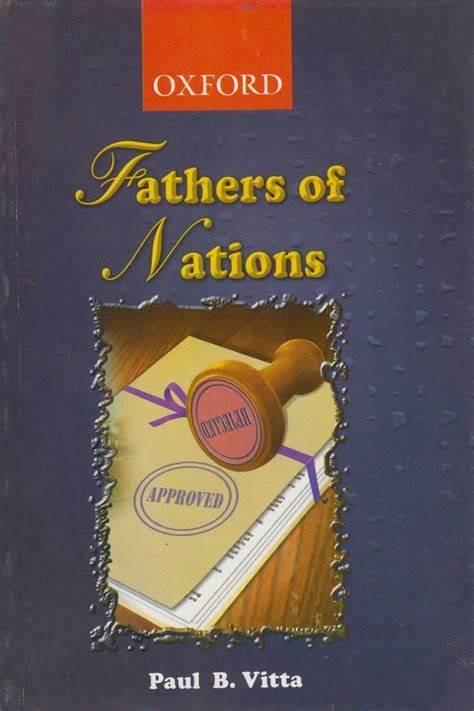
Fathers of Nations is a satirical novel by Paul B. Vitta that delves into the political and social issues facing contemporary Africa. The narrative unfolds during a summit in Banjul, Gambia, where African leaders convene to discuss the adoption of “Way Omega,” a development strategy proposed by 20 Nobel Laureates. However, a group of conspirators introduces a rival plan, “Path Alpha,” aiming to derail the original proposal. The novel explores themes such as poor leadership, corruption, poverty, and the challenges of post-independence Africa.
SUMMARY
The plot centers around the African Union Summit in Banjul, where the main agenda is to discuss “Way Omega.” Unbeknownst to the summit participants, a group led by Thaddeus Longway, Director of Special Projects at the Agency for Governance and Development in Africa (AGDA), conspires to introduce “Path Alpha” as a substitute. Key figures in this conspiracy include Professor Karanja Kimani, Comrade Melusi, Engineer Seif Tahir, Pastor Chineke Chiamaka, and Dr. Afolabi. Despite initial resistance, “Path Alpha” is adopted, highlighting the dysfunctionality and challenges within African leadership.
THEMES AND SOCIETAL ISSUES
Poor Leadership: The novel portrays African leaders as ineffective, indecisive, and disconnected from the realities of their citizens. Their inability to make informed decisions leads to disarray and missed opportunities for development.
Corruption: Corruption is depicted as a pervasive issue undermining the continent’s progress. Instances of election rigging, bribery, and misuse of power are prevalent throughout the narrative.
Poverty and Economic Challenges: The novel highlights the economic struggles faced by African nations, exacerbated by international debts and exploitative financial systems. Characters like Professor Kimani experience the disparity between academic achievement and financial compensation.
Betrayal and Political Machinations: The introduction of “Path Alpha” symbolizes the betrayal of the public’s trust for personal or political gain. The characters’ actions reflect the complexities and moral ambiguities in political maneuvering.
CHARACTER ANALYSIS
Professor Karanja Kimani: An academic who becomes disillusioned with the political system, reflecting the challenges faced by intellectuals in a corrupt society.
Comrade Melusi: A character who symbolizes the frustration of the common citizen with the political elite’s failures.
Engineer Seif Tahir: Represents the technocrats whose expertise is often sidelined in favor of political agendas.
Pastor Chineke Chiamaka: Embodies the moral dilemmas faced by religious leaders in a corrupt society.
Vitta employs satire, humor, and irony to critique African political systems. The use of vivid descriptions and dialogue enhances the narrative, making complex political issues more accessible and engaging. The novel’s style encourages readers to reflect on the socio-political landscape of Africa.
CONCLUSION
Fathers of Nations offer a compelling critique of African leadership and governance. Through its satirical lens, it exposes the challenges and contradictions within the continent’s political systems. The novel serves as both a cautionary tale and a call to action for reform and accountability. Its relevance remains significant as it mirrors ongoing issues in many African nations.
Similar Posts by The Mt Kenya Times:
- Diaspora Times Global Sep 19 – Sep 25, 2026
- Tibet’s glacial catastrophe: Behind Beijing’s wall of silence, a climate disaster reshapes a region
- Museveni says Uganda overpaid for fuel through Kenyan middlemen as new terminal breaks ground
- Court orders throw KPL season kickoff into doubt
- Can Kenyans abroad become the untapped force that transforms Kenya?
About the Author



Good story